15 hours ago
Demonstrators raged in the streets of Iran into Saturday morning, defying an escalating crackdown by authorities against the growing protest movement, now in its second week.
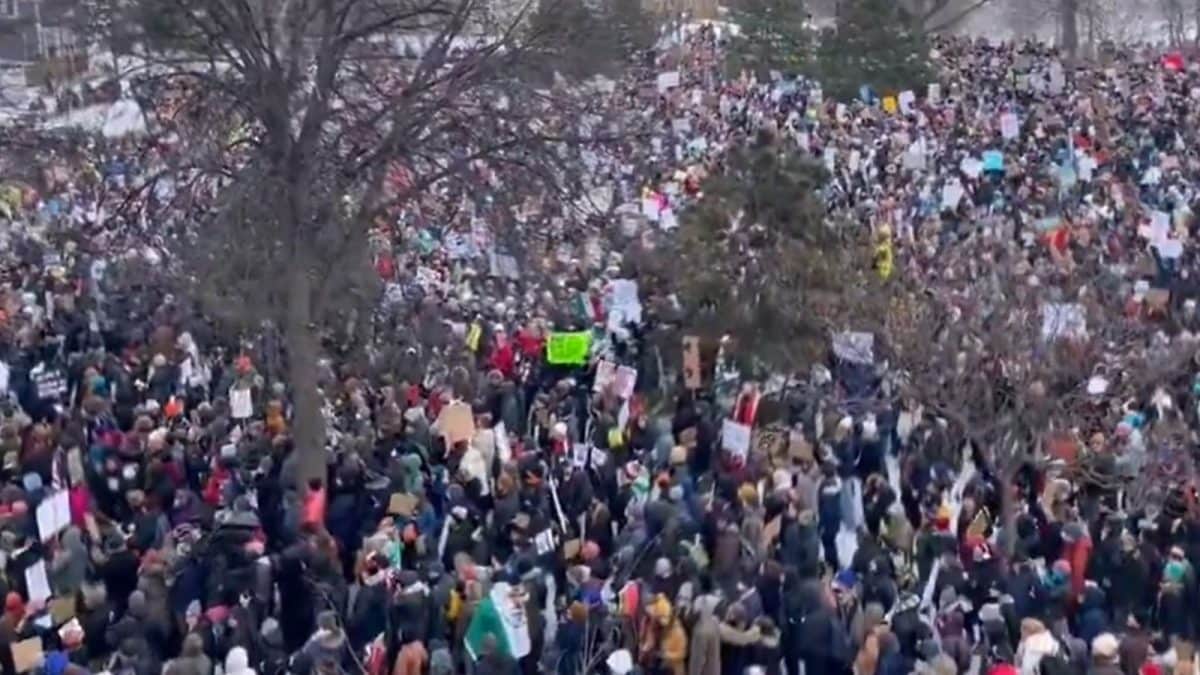
An internet shutdown imposed by the authorities on Thursday has largely cut the protesters off from the rest of the world, but videos that trickled out of the country showed thousands of people in the streets of Tehran. They chanted “death to Khamenei,” in reference to supreme leader Ayatollah Ali Khamenei, and “long live the shah.”
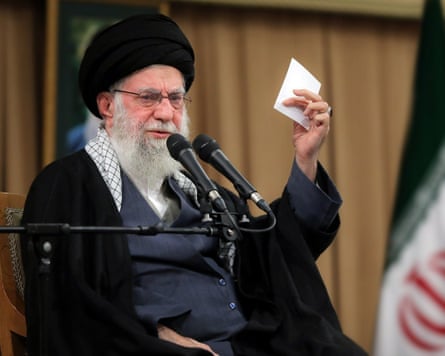
Crowds of protesters marched through the streets of Mashhad as fires burned around them, a show of defiance in the hometown of Khamenei, who has condemned the protesters as “vandals” and blamed the US for fanning the flames of dissent.
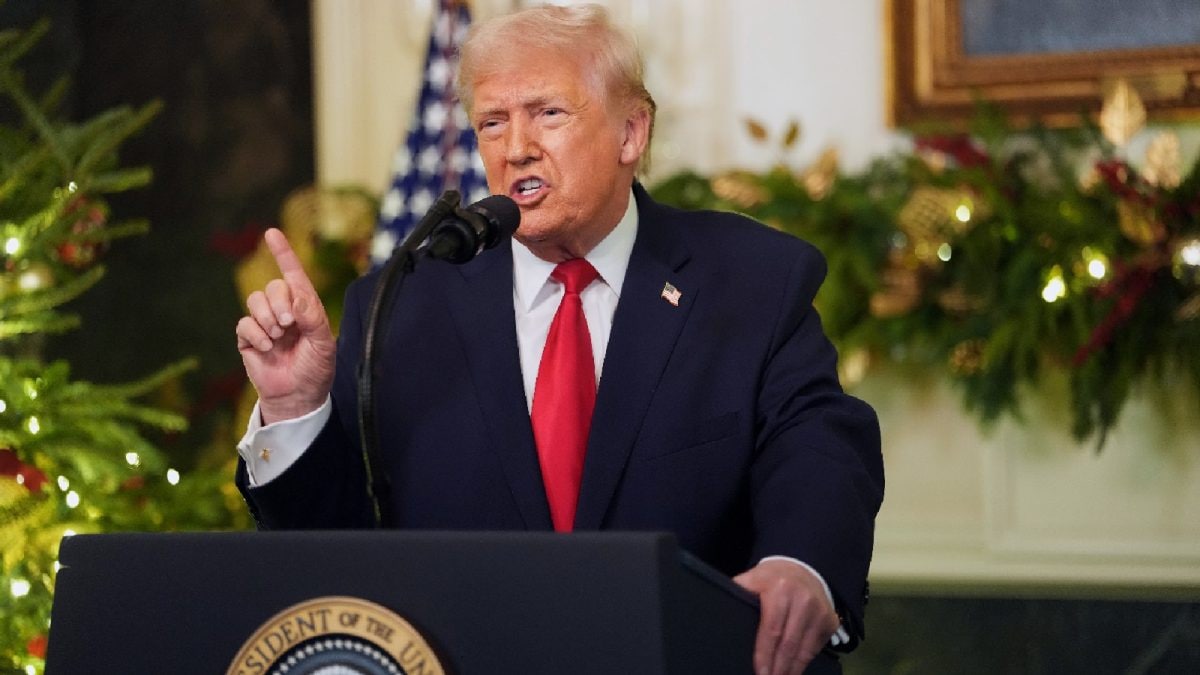
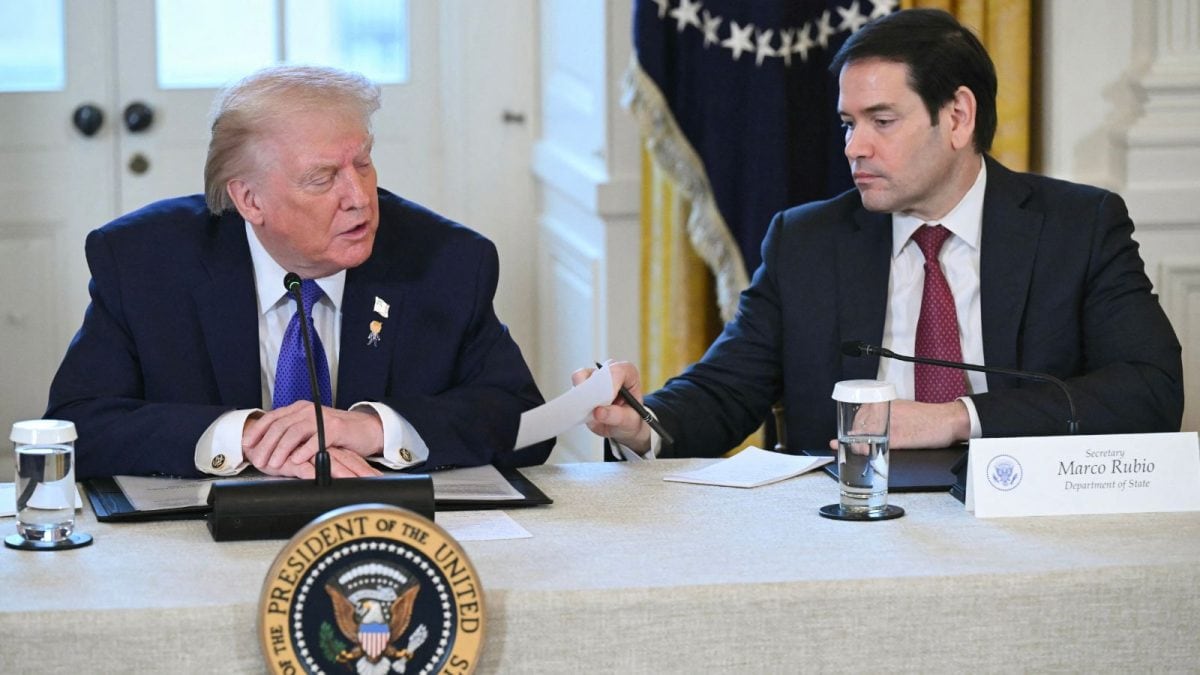
Donald Trump has repeatedly threatened to intervene if Iranian authorities kill protesters, earning angry rebukes from authorities in Tehran. On Friday, Trump said the Iranian authorities were “in big trouble”, adding: “You better not start shooting, because we’ll start shooting too.”
The block on the internet and mobile lines means it is hard for international media to estimate the size of the demonstrations, the largest in Iran in recent years and which pose a most serious challenge to the regime’s rule.
But the few videos coming out of the country, as well as activists who managed to evade the blackout via the Starlink satellite system, spoke of angry protesters and a heavy-handed police response.
“We’re standing up for a revolution, but we need help. Snipers have been stationed behind the Tarish Arg area [a wealthy neighbourhood in Tehran],” a protester in Tehran told the Guardian via sporadic text messages sent via Starlink. The protester said many people had been shot at across the city, adding: “We saw hundreds of bodies.”
The Guardian was not able to independently verify the protesters’ claims and human rights activists have also said verification of reported human rights violations is difficult.
However, another activist in Tehran told the Guardian that they had witnessed security forces firing live ammunition at protesters and saw a “very high” number killed, while human rights activists said the claims of police brutality were consistent with testimony they had been given.
The US-based Human Rights Activist News agency has said that at least 65 people have been killed in the violence surrounding the protests and more than 2,300 others detained by authorities.
The Iranian Nobel peace prize winner Shirin Ebadi warned on Friday that security forces could be preparing to commit a “massacre under the cover of a sweeping communications blackout”, and said she had already received reports of hundreds of people being treated for eye injuries at a single Tehran hospital.
Protesters were brought to the streets on 28 December by a deteriorating economy, but quickly began chanting anti-government slogans and demanding political reform.
Though Iran has experienced mass protests before, analysts have said the battering of the regime during the 12-day war with Israel and the loss of Iranian-backed forces across the region have made it more vulnerable.
Iranian authorities have become increasingly more confrontational in their rhetoric towards protesters, casting them as infiltrated and backed by Israeli, or US saboteurs. The Iranian army vowed in a statement on Saturday to foil “the enemy’s plots,” warning that undermining the country’s security was a “red line.”
State TV tried to portray an air of normality as protests continued, describing them as small aberrations from an otherwise peaceful country. A state television anchor warned protesters not to go out, telling parents to stop their children from demonstrating. “If something happens, if someone is injured, if a bullet is fired and something happens to them, do not complain,” they said.
The international community has rallied around the protesters, with EU states and the US posting messages of support. “The United States supports the brave people of Iran,” Marco Rubio, the US secretary of state said on X on Saturday.
Iranian authorities have tried a carrot-and-stick approach, distinguishing between what they called “legitimate” protesters expressing economic grievances and “rioters” backed by foreign powers trying to destablise Iran. The government has said it is engaging in dialogue with the former, but human rights groups have described increasing generalised violence directed at protesters at the hands of security officials.
A video verified by Iran Human Rights group showed distressed family members looking through a pile of bodies in Ghadir hospital in Tehran on Thursday. The rights group said that the bodies were of protesters killed by authorities.
Fars news agency, a news agency close to the Iranian security services, aired video of what appeared to be forced confessions of protesters. Human rights activists warned that forced confessions, while in themselves a human rights violation, are often used as evidence for executions in Iran.
Despite the crackdown, more protests were planned for the weekend. Reza Pahlavi, the exiled son of the former shah of Iran, called on Saturday for protesters to take to the streets on Saturday and Sunday. He asked protesters to hoist the pre-1979 “lion and sun” flag which was used during his father’s rule.
Pahlavi has emerged as an increasingly popular figure in the current round of protests, with large crowds chanting support for the shah and calling for his return from exile. Protesters have appeared to respond to his last calls for mobilisations in Iran, seeing him as an alternative to the theocracy currently in power.
He also called on insiders in Iran’s security services to help slow or prevent the crackdown on protesters from within, claiming that tens of thousands of officers have indicated their desire to defect through an online platform he operates.
The continuing internet blackout made documenting both the momentum of protests and the violations committed against demonstrators difficult, with activists working to create workarounds. They implored media to continue covering the situation in Iran as they described worsening brutality.
“Please make sure to state clearly that they are killing people with live ammunition,” an Iranian activist said.