1 hour ago
Donald Tusk, Prime Minister of Poland, was found expressing his profound relief on X about not having to tolerate the presence of Russians at this year's European Council meeting. Given Poland's history with Russia, the sentiment was unsurprising. But Russia's response to Tusk's remarks was lethal.
Kirill Dmitriev, CEO of Russia's state-owned Direct Investment Fund and Special Envoy of Russian President Vladimir Putin for investment and economic cooperation, swiftly countered: "See you in 2 months as you come to Russia to beg for energy. Please save enough jet fuel for the flight."
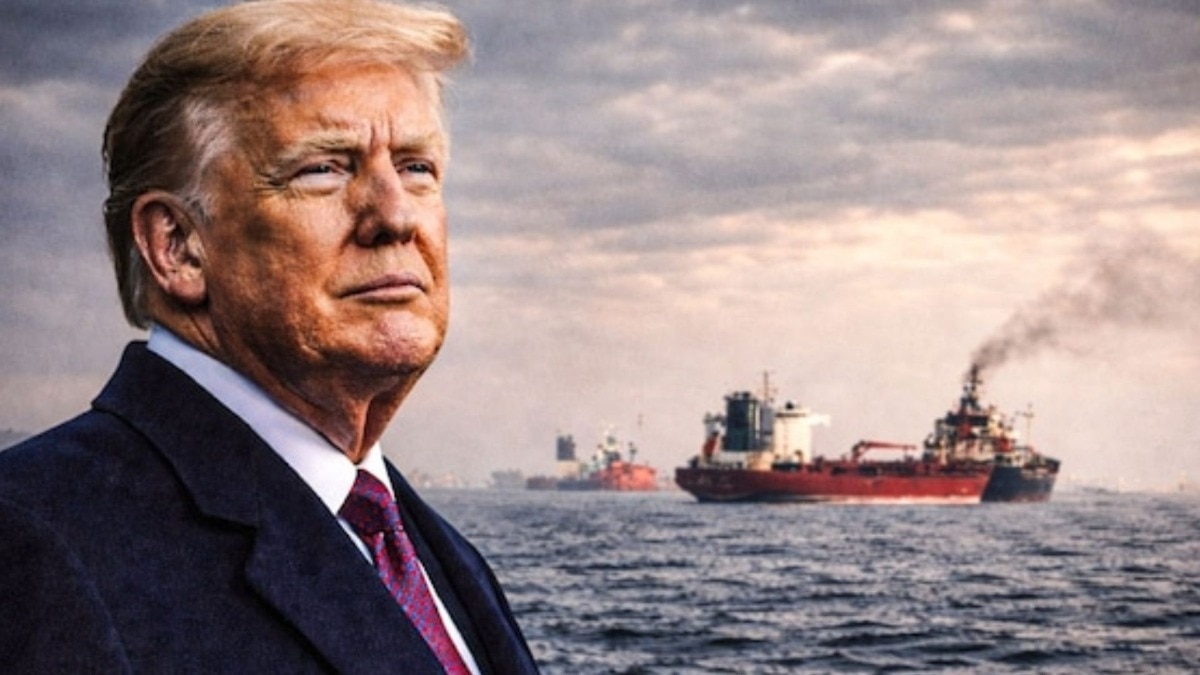
Dmitriev's retort isn't mere bluster. The European Union is grappling with a severe Aviation Turbine Fuel (ATF) shortage following Iran's closure of the Strait of Hormuz, which has choked supplies from Gulf producers.
THE EU'S JET FUEL CRISIS
According to Reuters, Europe imports roughly 75% of its jet fuel from the Middle East, a higher dependency than for any other transport fuel.
The timing couldn't be worse, coinciding with the European summer holiday season when airline demand peaks.
Despite EU refiners working at maximum capacity, domestic production cannot meet demand. The Energy Agency warned in its monthly report that Europe could face physical jet fuel shortages by June.
The situation has grown so dire that the EU is considering mandating national stockpiles with potential redistribution based on regional needs.
Airlines are already reeling. Lufthansa announced cuts of 20,000 European short-haul flights over summer, with other carriers following suit.
THE RUSSIAN ALTERNATIVE EUROPE ABANDONED
Here's where the crisis becomes particularly galling for Brussels: there was an alternative.
Russia possesses substantial refining capacity capable of producing jet fuel. Before the start of the Russian invasion of Ukraine, Moscow's energy exports to Europe were significant. But EU sanctions and the deliberate isolation of Russia to starve Moscow of money it could use in its war against Kyi, severed this potential lifeline.
The EU's desire to support its ally Ukraine in grinding down the Russian Bear, whatever it costs, is admirable. But it made the continent incredibly vulnerable.
The EU's strategic calculus isolated Russia precisely when maintaining diverse energy sources would have provided resilience.
By cutting off Russian energy in response to Ukraine, Europe eliminated a geographically proximate alternative just as Middle Eastern supplies faced disruption from the Iran war.
As German Defence Minister Boris Pistorius noted, Iran's conflict is "not our war". Yet Europe finds itself suffering consequences for having voluntarily dismantled the backup option that could have mitigated the current crisis.
The irony is stark: Europe's moral positioning in Russia has left it uniquely vulnerable to Middle Eastern supply shocks. Other regions with more diversified suppliers may still feel the sting of high energy prices, but at least they will have suppliers to fill up their tanks.
Dmitriev's taunt may prove prescient. As summer approaches and fuel tanks run dry, European leaders may find themselves in the uncomfortable position of reconsidering relationships they publicly celebrated severing, and approach Moscow to renew supplies of Russian energy that once flowed freely to Europe.
Donald Tusk, having little love lost for Russia, is experiencing profound relief at not having to share a platform with Russians. But if his allies in Brussels don't secure alternative sources of jet fuel, he might have to join them in biting the bullet in Moscow, assuming the aeroplane they use has enough jet fuel in the tank.
- Ends
Published By:
Shounak Sanyal
Published On:
Apr 24, 2026 19:50 IST