1 hour ago
A projectile struck an oil tanker off Oman as Pakistan wrapped up talks in Tehran on reopening the Strait of Hormuz. The incident underscored rising regional strain, with diplomacy, sanctions and Gaza violence intensifying uncertainty.

Dubai,UPDATED: Aug 25, 2026 18:38 IST
An oil tanker was hit by a projectile off Oman in the Strait of Hormuz, underlining the risks to shipping in the waterway as Iran keeps a firm grip on it. The attack came as a senior Pakistani delegation finished talks in Tehran aimed at reopening the strait and reviving negotiations to end the nearly six-month-old war between Iran and the United States.
The latest developments also included questions over accountability a year after 22 Palestinians, including journalists and rescue workers, were killed in a double strike on a Gaza hospital; a Chinese warning over new US sanctions linked to Iran; a fresh Israeli strike in southern Gaza; and an Israeli lawmaker destroying a Palestinian monument in the occupied West Bank.
The oil tanker was hit on Monday night a few miles off Oman’s east coast, according to a report issued on Tuesday by the British military’s United Kingdom Maritime Trade Organization. The strike disabled the ship’s engine, but all crew members were safe, it said. There were no immediate reports of any environmental impact, though earlier attacks on tankers during the war had caused oil spills. Before the US and Israel attacked Iran on February 28, about a fifth of the world’s traded oil passed through the Strait of Hormuz. Iran now has a stranglehold on traffic through the strait and periodically fires at vessels trying to pass through it, though there was no immediate claim for Monday’s attack. The US is also operating a blockade of Iranian ports and has fired on vessels.
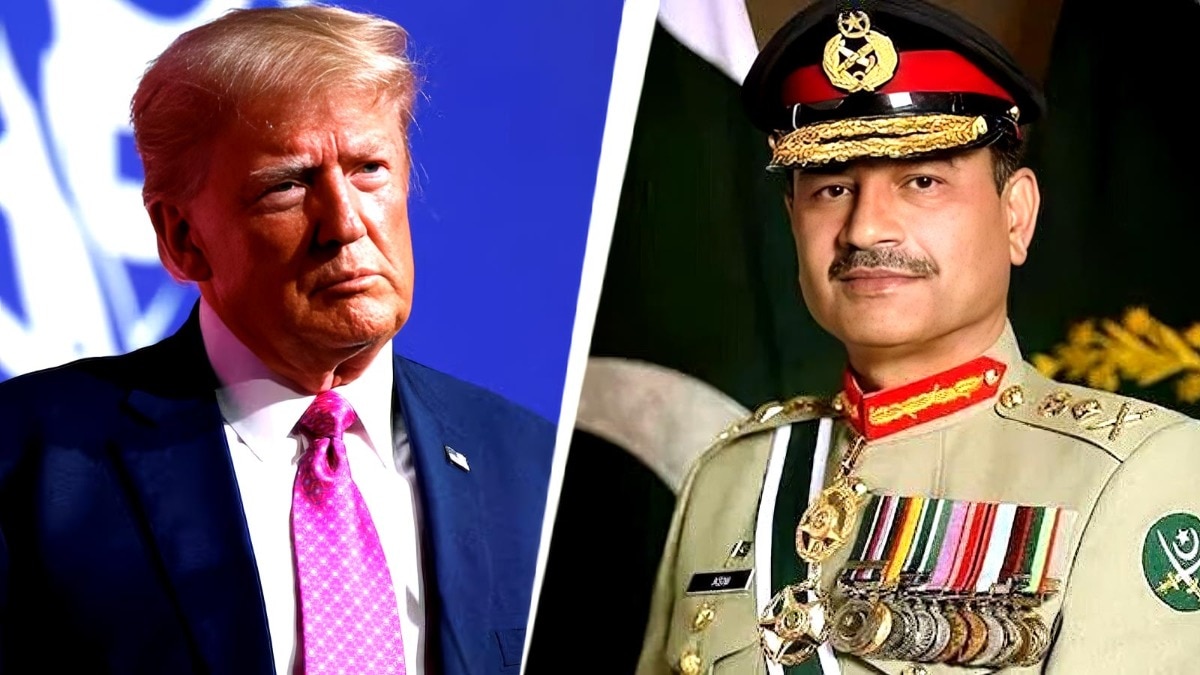
A Pakistani delegation led by army chief Field Marshal Asim Munir left Tehran on Tuesday after talks with Iran’s president and other senior officials on reopening the Strait of Hormuz and reviving negotiations to end the Iran-US conflict, the Pakistani military said. Pakistan has sought to mediate between Iran and the US while staying in touch with officials in both countries. Pakistan Interior Minister Mohsin Naqvi said a meeting with Iranian President Masoud Pezeshkian had been “very positive and productive”. Iran and Oman, which lies on the opposite side of the strait, are also finalising their own proposal for managing the waterway, and Oman’s foreign minister was due to meet Iranian authorities on Tuesday.
Tuesday also marked one year since Israeli soldiers killed 22 Palestinians, including journalists and rescue workers, in a double strike on Nasser Hospital in Gaza. No one has been held accountable. Israeli officials said the target was a suspected Hamas camera on the hospital roof. Those killed included Reuters cameraman Hussam al-Masri and Mariam Dagga, a visual journalist who worked for The Associated Press and other news organisations. Despite repeated requests by AP, the army has not provided details about the investigation or any timeline for its completion. Rights groups say Israel rarely holds troops accountable for killing Palestinians and point to long investigations that seldom lead to prosecution.
China’s Foreign Ministry said it was closely following plans announced by US Treasury Secretary Scott Bessent to widen sanctions to entities and individuals linked to Iran, including some based in China. Foreign Ministry spokesperson Lin Jian said China-Iran cooperation “should not be disrupted or undermined” and said it had conformed with international law. China is one of Iran’s biggest trading partners and buys most of its oil exports. The Treasury Department said on Monday that it was imposing sanctions on nearly 60 Iran-linked entities, including several based in China, but stopped short of imposing secondary sanctions on countries that trade with Iran.
In southern Gaza, an Israeli airstrike on Tuesday killed at least one Palestinian and wounded four others, hospital officials said. According to Nasser Hospital in Khan Younis, the strike hit a group of people northwest of the city. There was no immediate comment from the Israeli military. The death was the latest among Palestinians in Gaza since an October ceasefire sought to halt more than two years of war between Israel and Hamas.
In the occupied West Bank, video showed far-right Israeli lawmaker Tzvi Succot entering the village of Madama with an Israeli military escort and smashing the village’s “Martyrs’ Monument” with a hammer while soldiers stood nearby. The Israeli military said it had authorised and secured Succot’s visit, but that his group went beyond what had been agreed by demolishing the monument without permission. Succot, a Knesset member from the Religious Zionism party, said the monument amounted to incitement and glorified terrorism. He is running with the ultranationalist party in Israel’s upcoming election.
The developments together reflected the wider strain across the region, with fresh risks to shipping in the Strait of Hormuz, diplomatic efforts involving Pakistan and Oman, unresolved questions over past killings in Gaza, a new sanctions warning from China, another deadly strike in southern Gaza, and a fresh flashpoint in the occupied West Bank.
With PTI Inputs
- Ends
Published By:
India Today Web Desk
Published On:
Aug 25, 2026 18:38 IST