 1 month ago
The Pentagon is preparing for possible ground action in Iran, but what would that really involve, where could it happen, and why is Washington still keeping the final call uncertain?
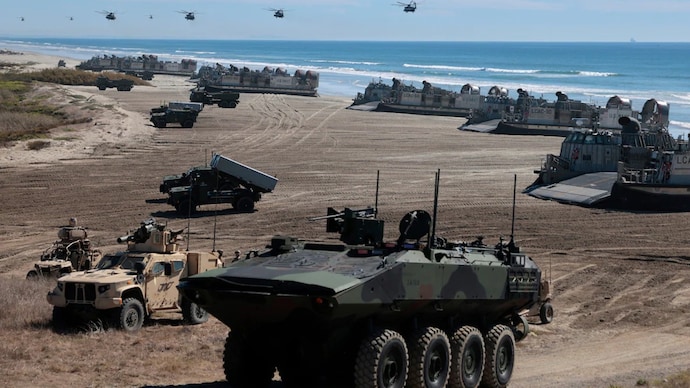
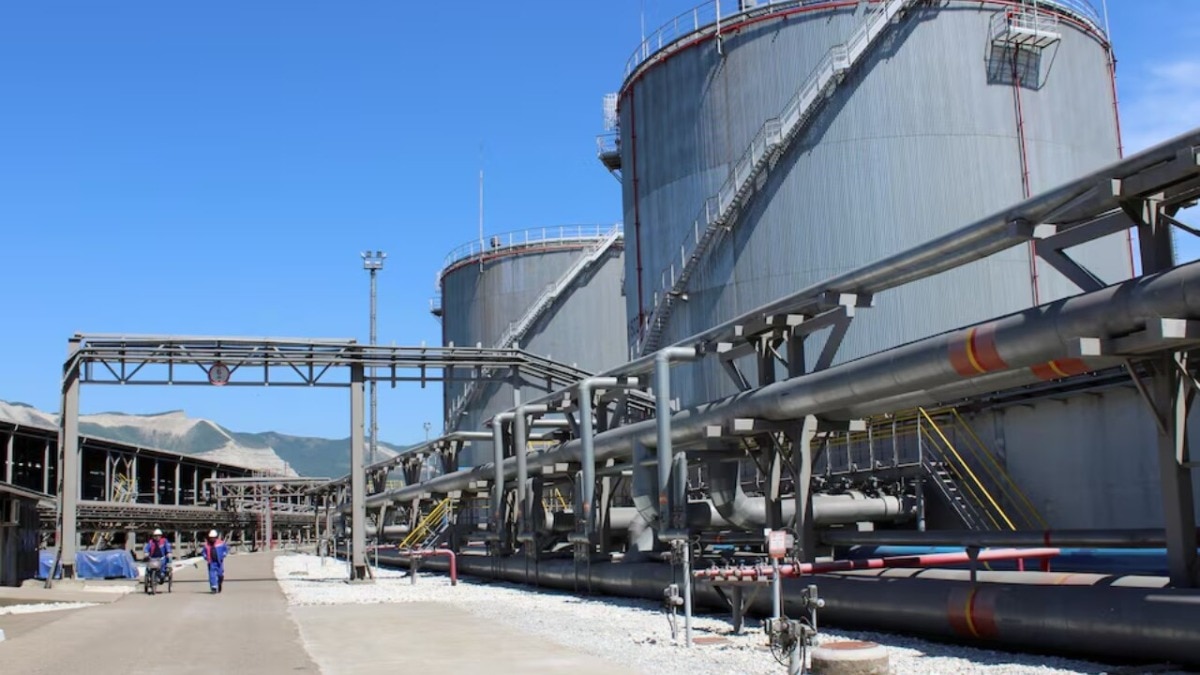
The potential operations are designed to hit high-value targets such as missile launch sites, air defence systems and coastal installations that threaten shipping lanes. (Representative photo)
The Pentagon is preparing for weeks of possible ground operations in Iran, opening the door to a far more dangerous phase of the war even as Washington sends mixed signals on escalation. Thousands of US Marines and soldiers are already moving into the Middle East, positioning forces for what could become a swift but high-risk campaign if President Donald Trump gives the go-ahead.
Officials familiar with the planning say this would not resemble a full-scale invasion. Instead, the focus is on precision missions, the Washington Post reported. Fast, targeted raids by Special Operations forces backed by conventional infantry, aimed at crippling Iran’s military capabilities without getting drawn into a prolonged occupation.
The planning has been underway for weeks, with scenarios that could play out over “weeks, not months”, though some estimates stretch to “a couple of months”.
NOT AN INVASION, BUT TARGETED STRIKES
The potential operations are designed to hit high-value targets such as missile launch sites, air defence systems and coastal installations that threaten shipping lanes.
Discussions within the administration have included the possible seizure of Kharg Island, a key Iranian oil export hub in the Persian Gulf, as well as raids along the Strait of Hormuz to destroy weapons capable of targeting commercial and military vessels.
“This is not last-minute planning,” one former defence official said. “We’ve looked at this. It’s been war-gamed.”
FORCES IN PLACE AND READY
The US has already deployed significant assets to the region, including Marine units capable of amphibious assaults and rapid strikes. The 31st Marine Expeditionary Unit, comprising about 2,200 personnel, is among those positioned for such missions, though it would require sustained logistical support for prolonged operations.
Reports have also suggested the possible deployment of thousands more troops from the 82nd Airborne Division, enhancing the US ability to conduct rapid ground manoeuvres.
“It’s the job of the Pentagon to make preparations in order to give the Commander in Chief maximum optionality,” a White House statement said, adding that no final decision has been taken.
HIGH RISKS ON THE GROUND
Any ground mission would expose US forces to significant threats, including Iranian drones, missiles, ground fire and improvised explosives. Iran’s Islamic Revolutionary Guard Corps is expected to mount a determined defence, particularly in strategic locations like Kharg Island.
Military experts warn that holding territory, even briefly, could be far more difficult than capturing it.
“You’ve got to provide cover for the people on Kharg Island. Seizing it is not difficult. Protecting your guys once they are there is,” a former official said.
Agility could be key. Rapid “in and out” raids, rather than prolonged deployments, may reduce risks and limit exposure to sustained attacks.
CONFLICTING SIGNALS FROM WASHINGTON
Even as preparations intensify, the messaging from Washington remains divided. Trump said on March 20, “I’m not putting troops anywhere,” while also leaving room for escalation.
At the same time, Secretary of State Marco Rubio has said the conflict “is not going to be a prolonged” one and that the US can achieve its objectives without deploying ground troops.
DOMESTIC PRESSURE AND POLITICAL DIVIDE
The prospect of sending US troops into Iran faces strong opposition at home. Polls show a clear majority against ground operations, while lawmakers remain divided. Some have warned against escalation, arguing that strategic goals can be achieved without boots on the ground, while others have pushed for more aggressive action.
For now, the Pentagon continues to prepare for every scenario, from limited raids to broader operations, while the final decision rests with a White House balancing military ambition against political and strategic risk.
- Ends
Published By:
Sonali Verma
Published On:
Mar 29, 2026 10:16 IST