1 month ago
A formal UN report has exposed Pakistan's Jaish-e-Mohammed's link to the Delhi Red Fort attack that killed 15 civilians, while documenting the terror group's expansion despite claims it was dismantled.
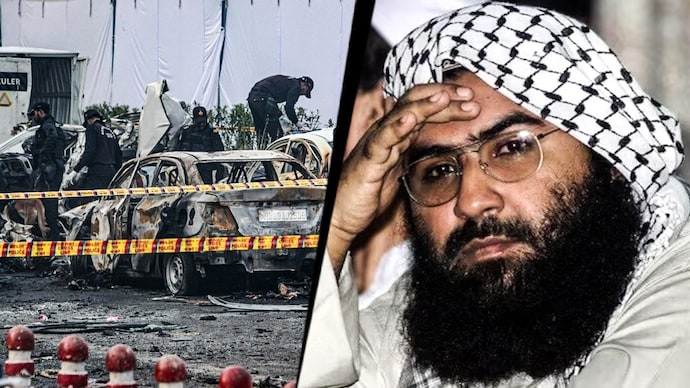
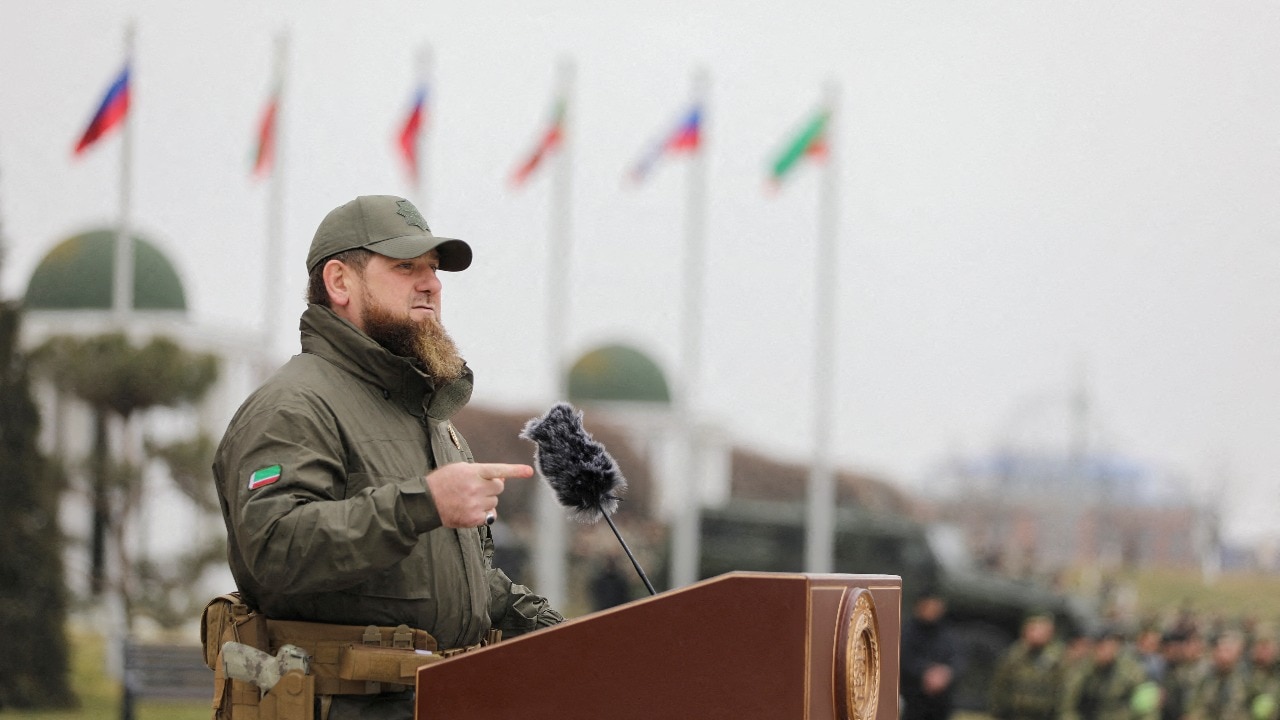
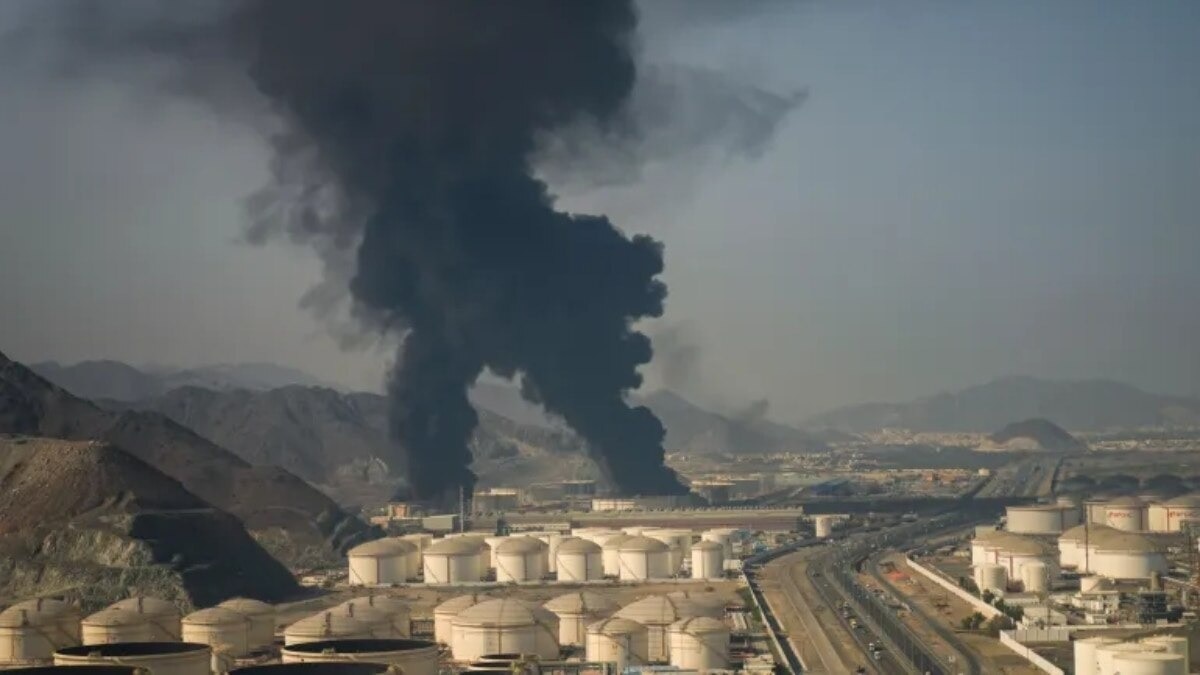
The deadly car blast near Red Fort in November 2025 left 15 people dead. (File photos)

UPDATED: Feb 12, 2026 23:46 IST
The United Nations has delivered what India has been arguing for years: Pakistan's terror infrastructure is not dismantled, it is adapting. The thirty-seventh report of the UN Analytical Support and Sanctions Monitoring Team has formally flagged a link between Jaish-e-Mohammed and the Delhi Red Fort blast of November 10, 2025, which claimed 15 lives and injured over 20 people. This is not an allegation whispered in diplomatic corridors. This is a formal submission under Resolution 2734 to the 1267 Sanctions Committee.
Pakistan has long maintained that banned outfits like JeM and Lashkar-e-Taiba no longer function after domestic proscription. Yet the UN report documents that one member state informed the panel that Jaish-e-Mohammed claimed responsibility for multiple attacks, including the Red Fort strike. At the same time, another member state describes the group as "defunct." Two narratives. One organisation. One massacre. The contradiction defines the problem.
The attack itself was not crude chaos. It was structured, timed and assembled with precision. At 6:52pm near Red Fort Metro Station Gate Number 1, a white Hyundai i20 halted at a traffic signal and detonated. Forensic analysis confirmed over two kilograms of ammonium nitrate mixed with high grade military explosives including potassium chlorate, sulphur and petroleum based detonators. Fifteen civilians died. A bus conductor. Shop workers. An e-rickshaw driver. DNA confirmed the driver as Umar Mohammad, a Jammu and Kashmir native linked to a radical network tied to JeM handlers.
This was not the work of a lone wolf. Investigators recovered a video clip from Umar's phone in which he spoke about carrying out a suicide attack. Jammu and Kashmir Police described it as a "white collar terror module" linked to Jaish-e-Mohammed and Ansar Ghazwat-ul-Hind. The Investigation Agency took over within hours. Nine arrests followed by December 2025. Among them, three doctors. Professionals. Educated. Coordinating logistics, funding and technical expertise through encrypted Telegram channels. Terror did not wear a mask of ignorance. It wore a white coat.
The UN report does not stop at the blast. It flags an internal development within Jaish-e-Mohammed that challenges the very notion of dormancy. On October 8, 2025, Masood Azhar, a UN designated terrorist, announced the formation of a women only wing called Jamaat ul-Muminat. The UN lists this development as evidence of organisational vitality. A group described as dismantled launches a new wing. A women only structure intended to support terrorist activities. Recruitment through Markaz Usman-o-Ali in Bahawalpur. District level branches. A leader, Sadiya Azhar. Courses like "Tufat al-Muminat" priced at 500 Pakistani rupees. Radicalisation packaged and distributed.
The timeline matters. October 8 saw the women's wing announcement. Late October brought raids in Faridabad and Dhauj that uncovered nearly 2,500 kilograms of ammonium nitrate and chemicals nearing bomb readiness. November 10 witnessed the Red Fort blast. The overlap is not abstract. It is operational.
Pakistan exited the FATF grey list in October 2022 after completing 34 action items. It moved to "compliant/largely compliant" on 38 out of 40 recommendations under Asia Pacific Group oversight. Yet the Red Fort investigation exposed hawala funding trails, online radicalisation courses and a women's wing expansion. If compliance exists on paper but operational networks persist in practice, what does compliance mean?
India has raised this issue repeatedly at international forums. Briefings at the UN. Advocacy at FATF discussions. Intelligence shared. Dossiers submitted. Often met with procedural language. Often diluted into diplomatic equivalence. Now the UN sanctions monitoring mechanism itself records the linkage between JeM and the Red Fort blast. Not an Indian press release. A UN document.
The broader question extends beyond one blast. It concerns enforcement of sanctions regimes. Asset freezes. Travel bans. Intelligence cooperation. If a UN designated terrorist announces a new wing and that wing's model aligns with a subsequent attack, what corrective measures follow? Documentation without consequence risks normalisation.
The Red Fort blast victims came from modest backgrounds. Their funerals drew crowds. Government aid was promised. Memorials rose near the Red Fort area. Yet grief does not alter geopolitics. Documents do. The UN report stands as a formal record linking JeM to the attack through a member state's intelligence input. It records organisational evolution. It captures conflicting assessments. It leaves a paper trail.
The question returns with greater urgency: will the international community move beyond expressions of concern and finally hold Pakistan accountable, or will this report join the archive of warnings that changed nothing?
- Ends
Published By:
indiatodayglobal
Published On:
Feb 12, 2026