1 hour ago
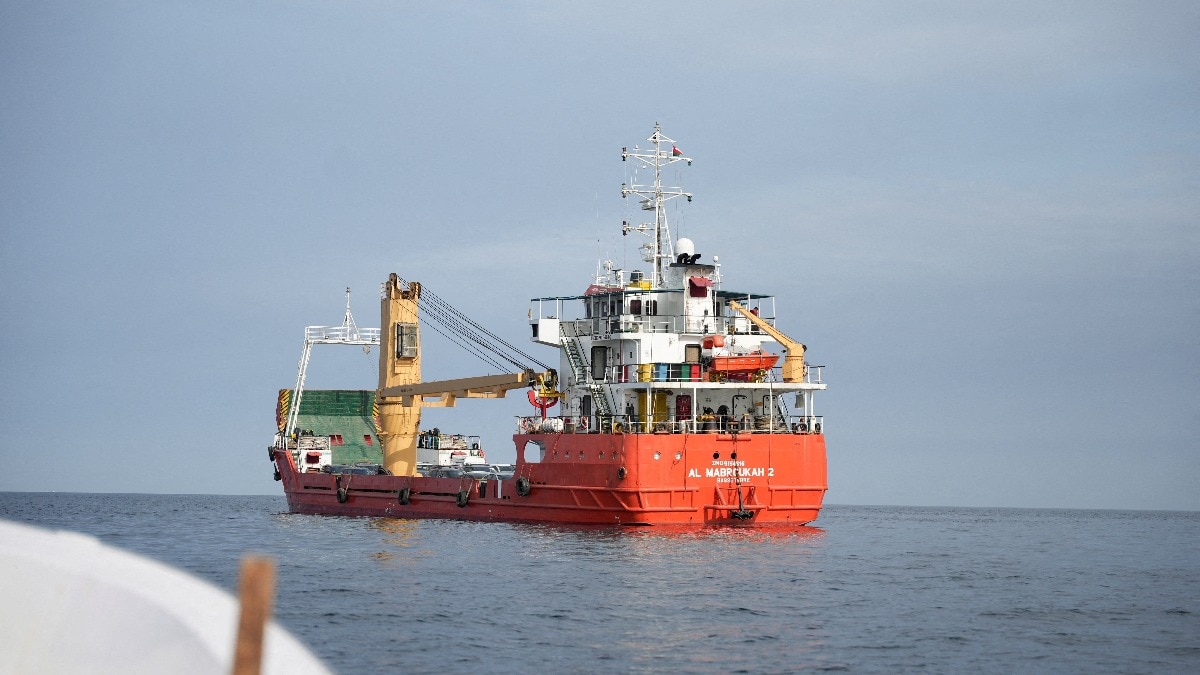
Mixed signals from Tehran are colliding with hard control on the ground. Two India-flagged ships were fired at in the Strait of Hormuz. This came as the IRGC pushed back hours after Iran's Foreign Minister Abbas Araghchi said the Strait of Hormuz was open.
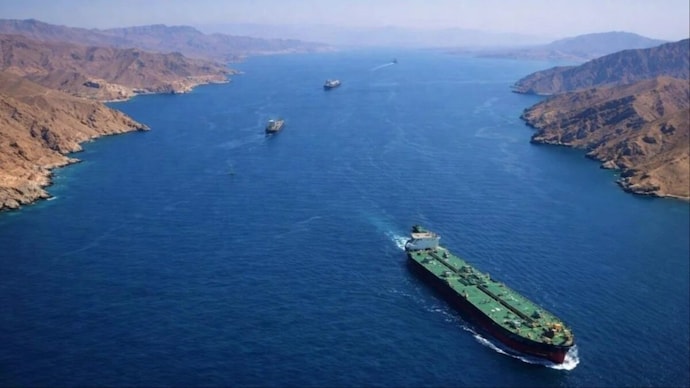
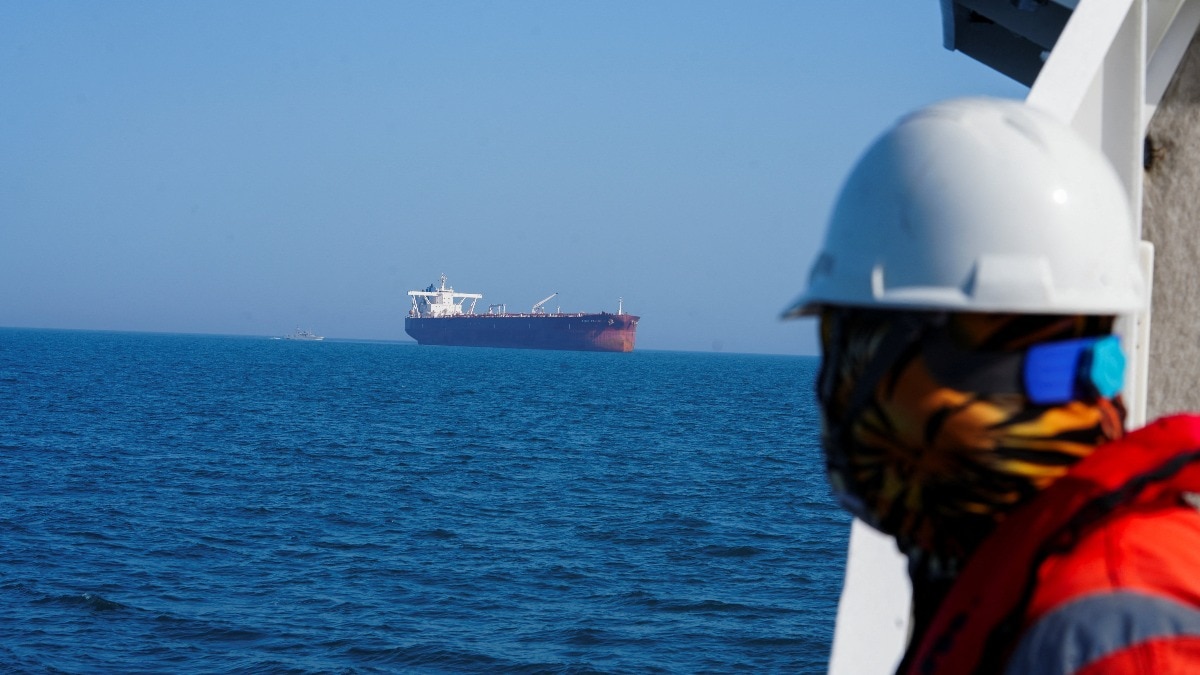
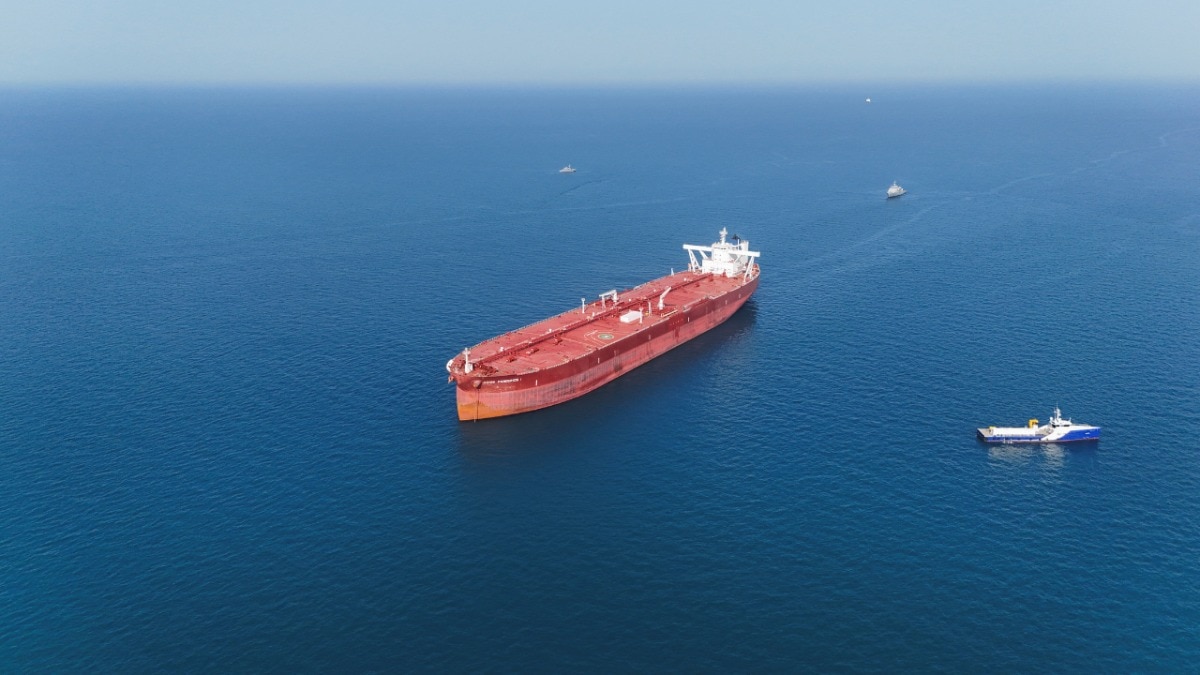
Hundreds of ships and around 20,000 seafarers remain stranded in the Gulf of Persia, and are waiting to pass through the Strait of Hormuz. (File Image)
The firing on two India-flagged ships in the Strait of Hormuz on Saturday has exposed a widening crack in Iran's power structure. The firing came due to the confusion over whether the Strait of Hormuz was open or not on Saturday. While a senior Iranian official said all ships could sail through the Strait of Hormuz, but only after they coordinated with Iran's Islamic Revolutionary Guard Corps (IRGC), its Foreign Minister, Abbas Araghchi, said that the narrow passageway in the Persian Gulf was open after the ceasefire pact was agreed for the Israel-Hezbollah war in Lebanon.
The firing on the Indian vessels led to India summoning the Iranian Ambassador, Mohammad Fathali, to lodge a formal protest. Sources told India Today TV that New Delhi conveyed its "serious concerns and displeasure" over the firing incident.
Questions, however, mounted over the circumstances under which Iranian forces opened fire on civilian ships. Confusion and internal politics could have a major role to play in this.
On one side, the civilian government signalled a resumption of traffic through the Strait of Hormuz. On the other hand, it looks like it is the all-powerful IRGC that is calling the shots on the ground.
IS THE STRAIT OF HORMUZ OPEN OR CLOSED?
While the cracks between the IRGC and the Iranian civilian government have been visible since the war began on February 28, the confusion over resumption of traffic in the Strait of Hormuz on Saturday (Indian time) shows that they have only widened.
The split was further underlined by a sharply worded response from Iran's semi-state Tasnim news agency.
In a post on X, the outlet said, "A flawed and incomplete tweet by Araghchi has created confusion about the reopening of the Strait of Hormuz. Minutes ago, the country’s foreign minister wrote on X that following the ceasefire in Lebanon, the Strait of Hormuz will remain fully open for commercial shipping for the remainder of the ceasefire period."
Araghchi is the Iranian leader who has been leading negotiations with the US and other Gulf nations.
The latest example of the rift is the confusion about the status of civilian shipping through the Strait of Hormuz. Though the civilian leadership has said it is open to shipping, the IRGC seems to have retained its blockade.
WHY IS THERE A RIFT BETWEEN THE IRGC, IRAN'S CIVILIAN LEADERSHIP?
Since the onset of the war in the Middle East, and the killing of Supreme Leader Ali Khamenei, Tehran's civilian leadership has pushed for diplomacy and economic relief. The IRGC, however, has leaned more towards escalation in hostilities.
An Associate Professor at London's King's College, Andreas Krieg, said, "Iran's mosaic post-war setup reveals several points of friction between the government and the IRGC and within the IRGC".
"Heterarchical governance effectively means no one is in charge. The IRGC is in charge of the Strait of Hormuz and hasn't agreed with the Iranian Foreign Minister [Abbas Araghchi] statement that the Strait is open," Krieg wrote on X.
Heterarchical governance is a system where power is shared among multiple centres. No single authority fully in charge.
Hours after the IRGC asserted its control on the Strait of Hormuz, two Indian merchant vessels, including a supertanker transporting nearly two million barrels of Iraqi oil, came under gunfire while attempting to pass through the narrow passageway on Saturday.
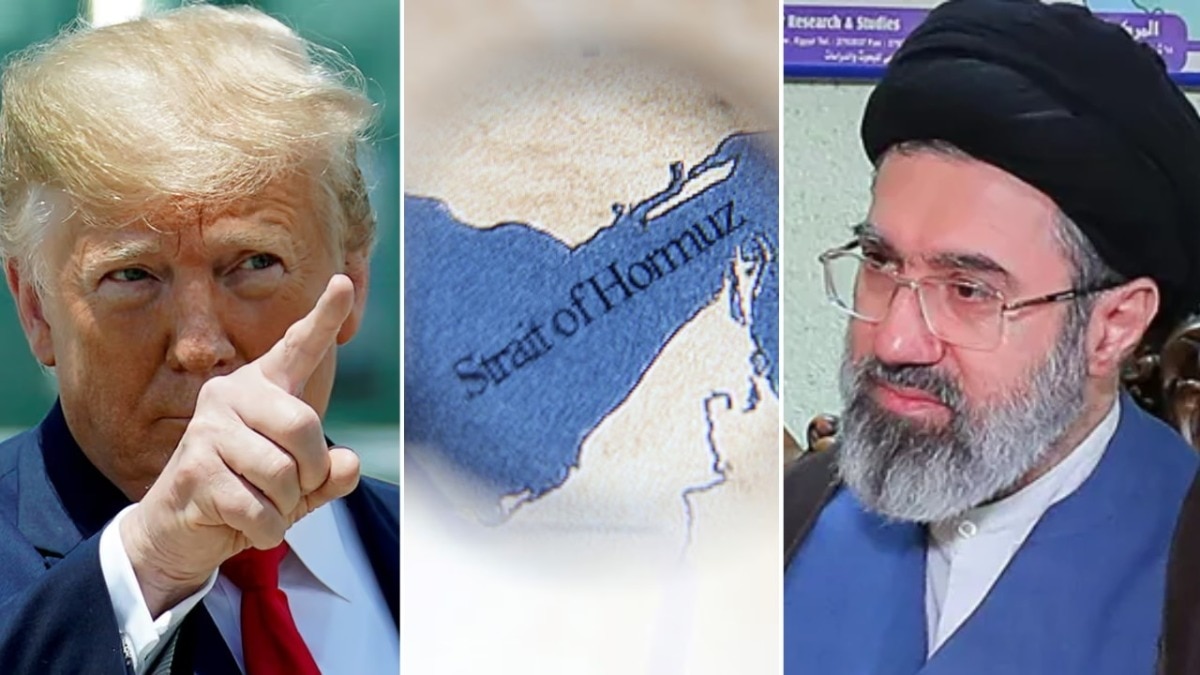
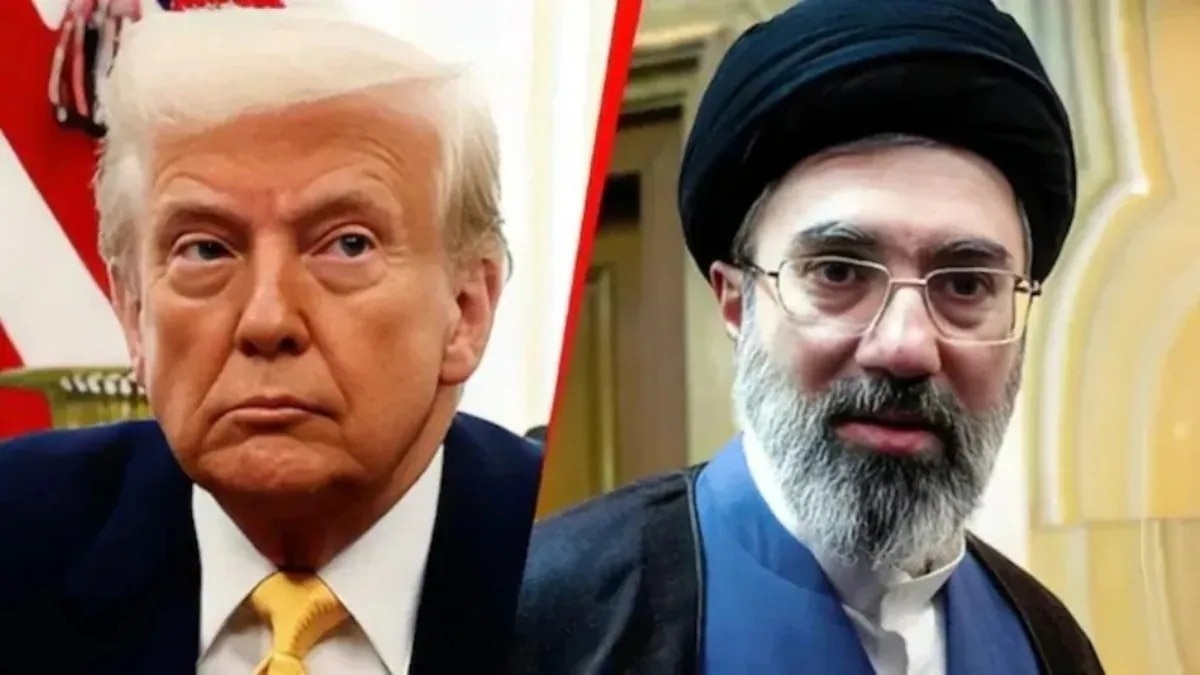
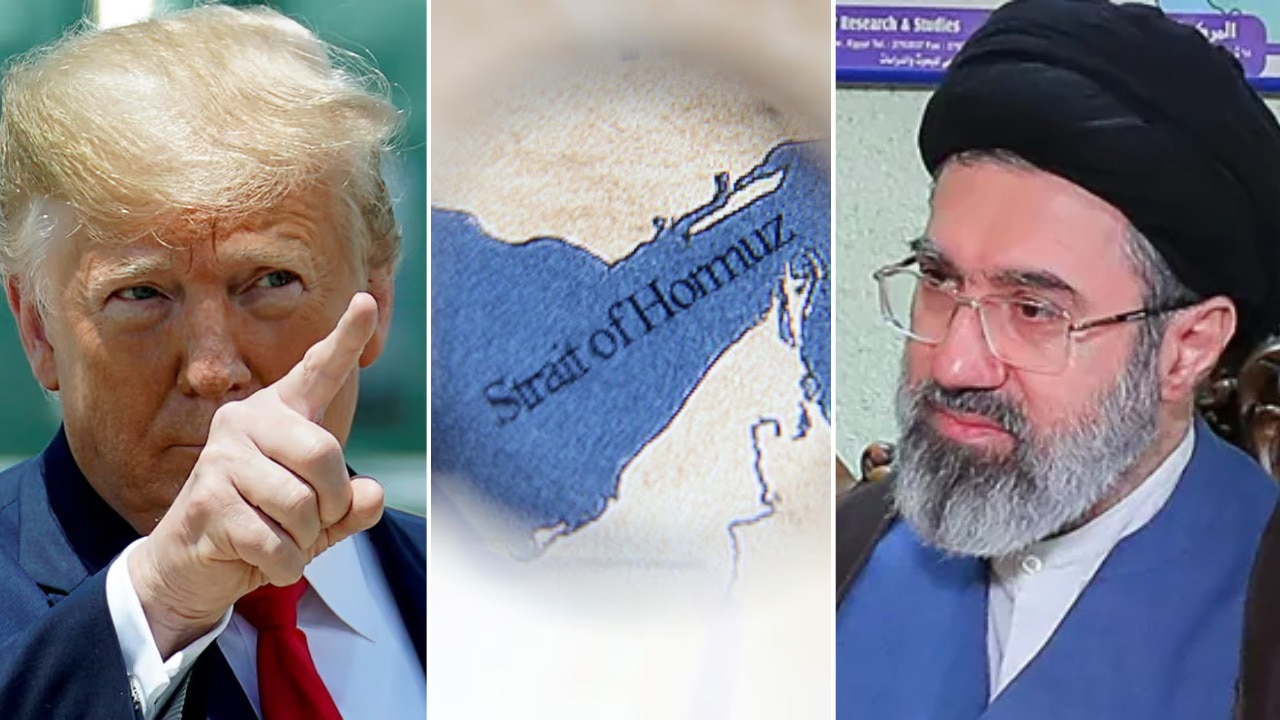
The opening of the Strait of Hormuz has become central amid attempts at ceasefire talks, and US President Donald Trump repeatedly tying any broader de-escalation and deal-making to keeping the Strait open.
ARAGCHI'S HORMUZ POST AND IRGC'S PUSHBACK
The flashpoint became apparent on Saturday morning when there was confusion over the question of whether the Strait had opened for shipping. Foreign Minister Abbas Araqchi said the Strait of Hormuz would remain "fully open for commercial shipping" during the ceasefire. The message from Iran came as a reassurance for markets and the shipping industry.
Trump too said that he believed a deal to end the Iran war would come "soon".
Hundreds of ships and around 20,000 seafarers remain stranded in the Gulf of Persia, waiting to pass through the Strait of Hormuz, which handles about 20% of the world's oil and gas flows. Around 90% of Indian gas imports also pass through the Strait.
However, the operation of the Strait, announced by Aragchi, did not last. The ships, which rushed toward the Strait of Hormuz on the declaration, had to turn back.
Within hours, a senior Iranian official told news agency Reuters that transit would need "coordination" with the IRGC. State-linked outlets like Tasnim and Fars called the tweet "bad", "incomplete", and "misleading". The IRGC Navy has added its own terms on the issue of passage through the Strait of Hormuz. It said that no military vessels, no "hostile" cargo, would pass through the Strait, and it had kept a strict oversight over the naval traffic.
IRAN'S CIVILIAN GOVT-IRCG RIFT HAD BEEN VISIBLE SINCE MIDDLE EAST WAR STARTED
The confusion and then the rebuttal by the IRGC and the Iranian media was not a one-off.
Since late March, President Masoud Pezeshkian has reportedly clashed with IRGC commanders over war strategy. Reports by the Iran say Pezeshkian called the IRGC's actions "reckless" and detrimental to the economy. Pezeshkian pushed for more civilian control, and the IRGC pushed back.
In early April, days before the ceasefire was announced between Iran and the US, things got uglier. In a closed-door meeting, Pezeshkian accused the IRGC of unilateral moves that could lead to "a huge catastrophe". IRCG commanders like Ahmad Vahidi and Hossein Taeb did not budge and the operational control of the war stayed with them.
On the ground too, the imbalance of power in Iran has been clearly tilted in favour of the IRGC.
Through March and early April, the IRGC Navy has enforced restrictions on naval passage in the Strait of Hormuz. Reports say the IRGC targeted ships and laid naval mines. The IRCG made sure that there would be no return to normalcy, and kept its fingers on the trigger.
At the same time, the Foreign Ministry Aragchi tried to soften the line. That gap between the government and the IRGC has only widened as several of its leaders, like Ali Larijani and Ali Shamkhani, have been killed aby US-Israeli strikes.
The war created a vacuum at the top, and the IRGC has tightened its grip.
Reports say the IRGC has blocked key appointments and overridden government calls since February 28. Moderates have also been sidelined. Experts have seen this as an attempt by the IRGC to seize and control the narrative amid the Iran war.
As the firing on the India-flagged vessels show, the Strait of Hormuz remains closed for now and there is a big threat of IRGC attacks. The Strait has gone from being just a passageway for oil and gas to a test of who really runs Iran. And until that question of who is the real in charge of Iran, the confusion in the Persian Gulf is unlikely to clear anytime soon.
- Ends
Published By:
Sushim Mukul
Published On:
Apr 18, 2026 20:36 IST
Tune In