 1 hour ago
The remark was made in a live televised interview on Friday, April 17, by Esmaeil Baghaei, Iran's Foreign Ministry spokesperson, who said that such vessels must also coordinate fully with Iranian authorities.
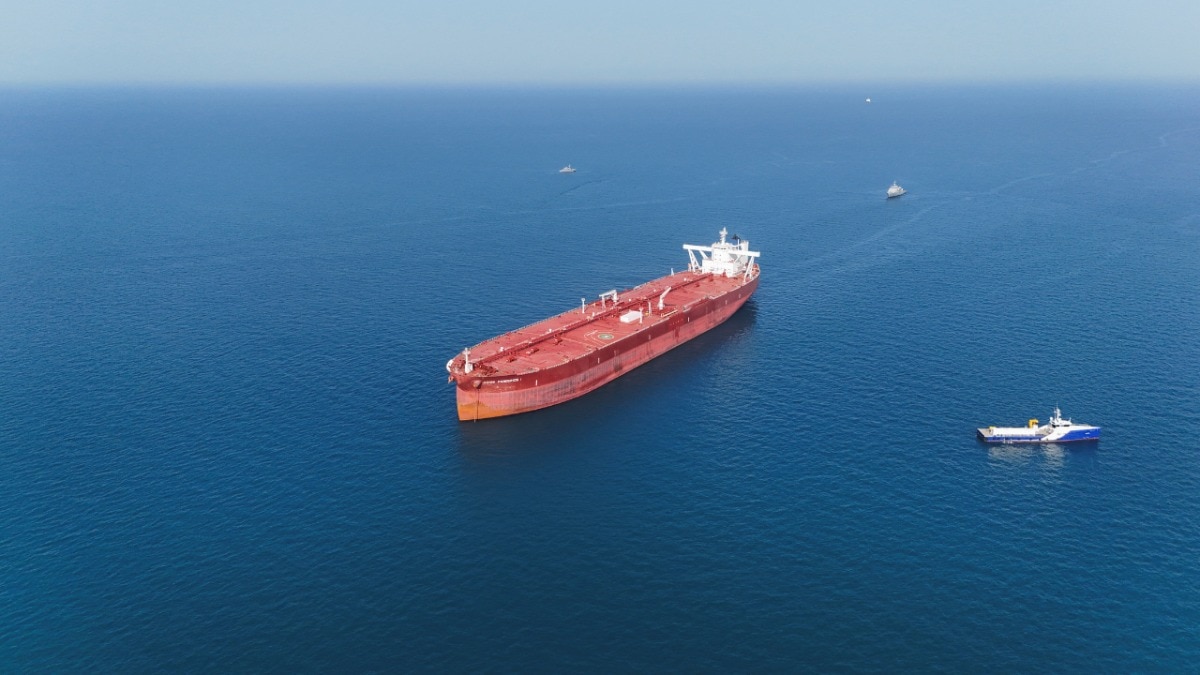
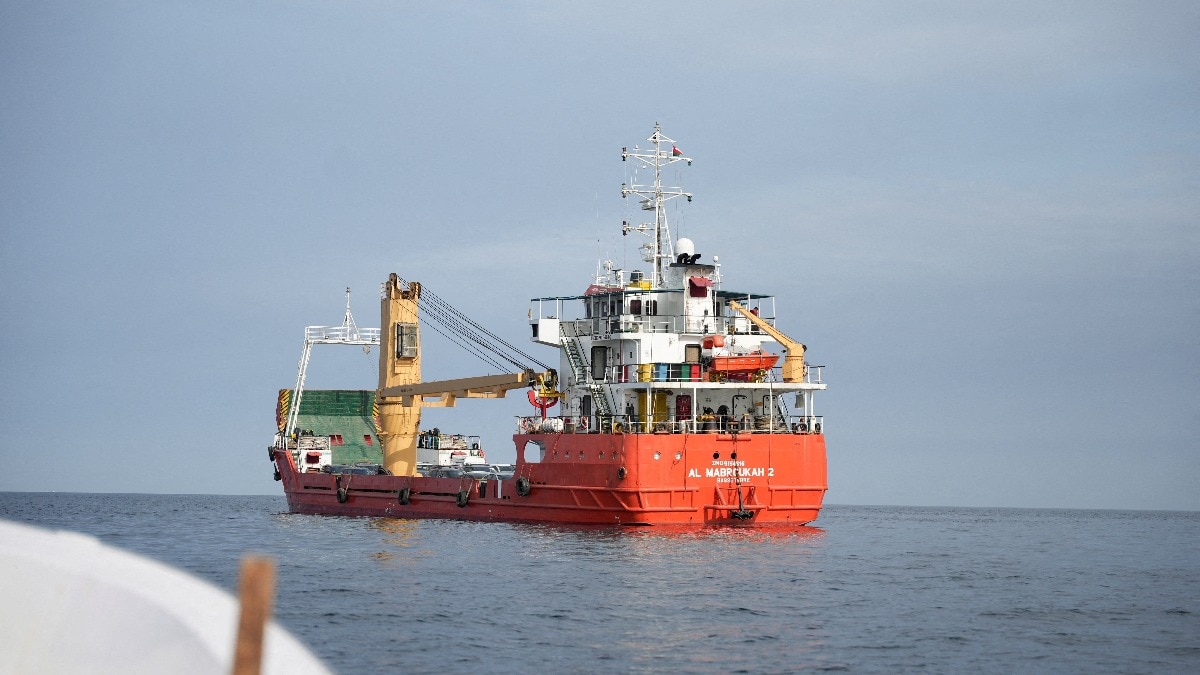
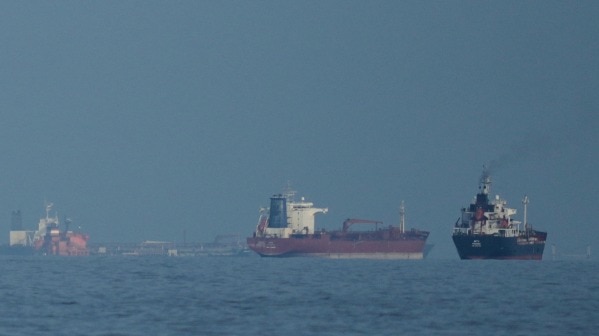
An Iranian official has said ships passing through Strait of Hormuz will be required to only use pre-designated routes. (Representative photo. Credits: Reuters)

New Delhi,UPDATED: Apr 18, 2026 13:53 IST
An Iranian official has said that all ships seeking to pass through the conflict-hit Strait of Hormuz must strictly adhere to pre-designated routes decided by Tehran, Iran's state-affiliated Press TV reported.
The remark was made in a live televised interview on Friday, April 17, by Esmaeil Baghaei, Iran's Foreign Ministry spokesperson, who said that such vessels must also coordinate fully with Iranian authorities.
He also said that a prolonged US blockade of Iranian ports would be met with a decisive reciprocal response from Tehran. "The naval blockade by the United States is considered a violation of the ceasefire, and Iran will take the necessary reciprocal actions," he was quoted as saying by Press TV.
Separately, a senior Iranian lawmaker said only commercial ships authorised by the Revolutionary Guard are allowed to transit through the strait.
Ebrahim Azizi, who heads Iran’s parliamentary Security Commission, said in a post on social media late Friday that merchant ships must pay "required tolls" before transiting the waterway, using a route set by Iran last month.
"The time has come to comply with the new Maritime Regime of the Strait of Hormuz," he said. Such an approval-based mechanism for passage through the strait did not exist before the current war in the Middle East broke out in February.
The Strait of Hormuz, which used to account for the flow of nearly 20 per cent of the world's oil shipments before the war, has only been reopened for the remainder of the ongoing 10-day ceasefire between Israel and Lebanon, as announced by Iranian Foreign Minister Abbas Araqchi earlier this week.
Iran's Defence Minister has emphasised that "military vessels and those linked to hostile forces have no right" of transit, according to Iranian news agencies.
TANKERS PASS THROUGH HORMUZ
On Saturday, a convoy of oil tankers was crossing the Strait of Hormuz, the first major movement of ships in the crucial waterway since the war between Iran and the joint front of Israel and the US began.
The group, comprised of four liquefied petroleum gas (LPG) carriers and several oil product and chemical tankers, was passing through Iranian waters south of Larak Island with more tankers following from the Gulf, according to MarineTraffic data.
'SOME PRETTY GOOD NEWS'
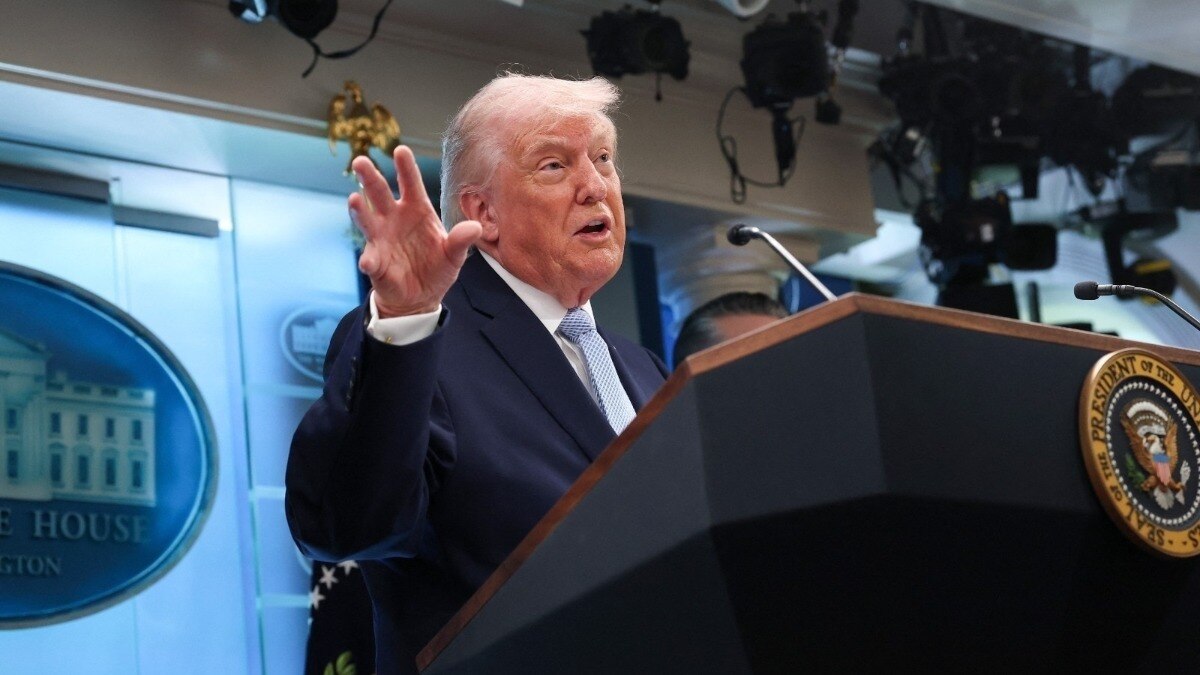
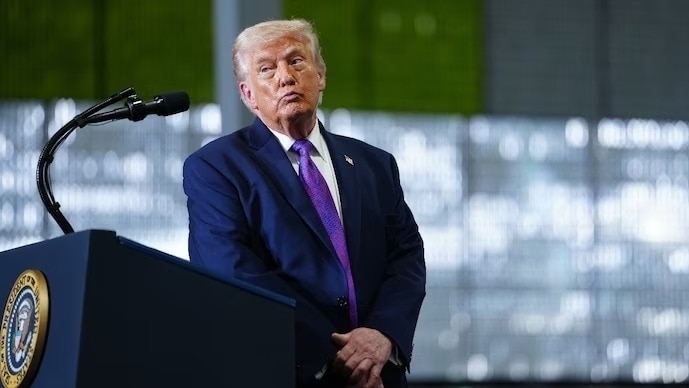
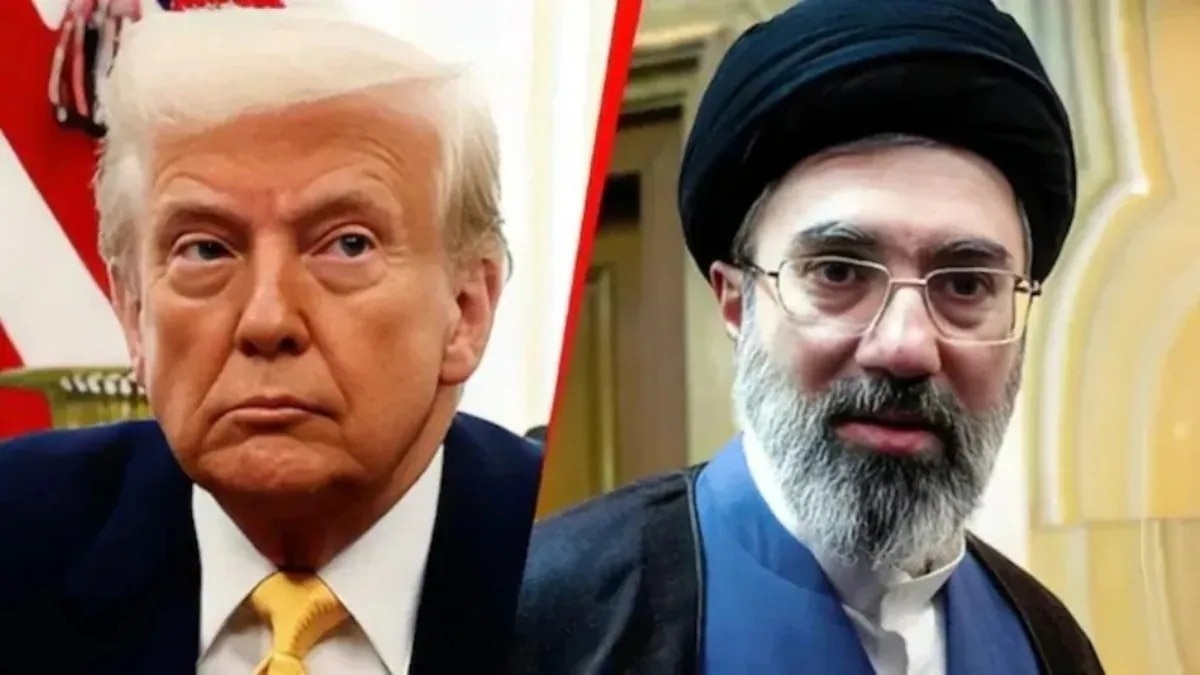
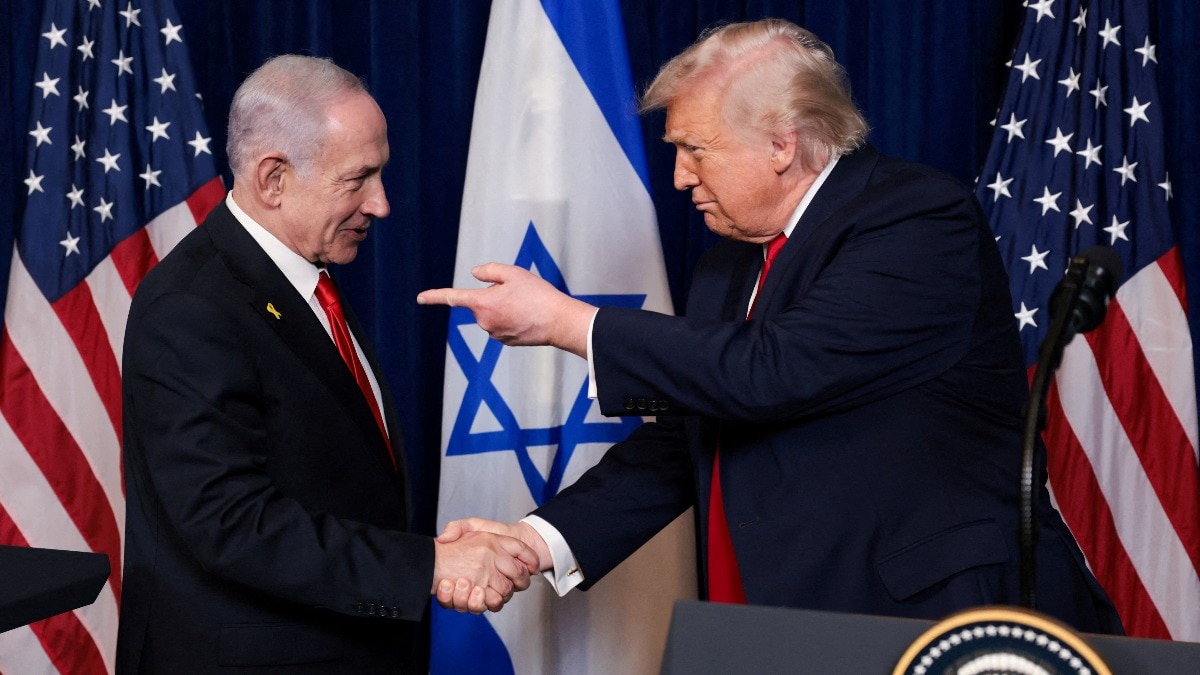
Hours prior to the reported movement of the ships, US President Donald Trump had cited "some pretty good news" about Iran, declining to elaborate further. "It seems to be going very well in the Middle East with Iran," he told reporters aboard Air Force One.
Trump also said that the temporary ceasefire currently in place between Washington and Tehran may not be extended if the two sides are unable to reach a deal by Wednesday.
"We're negotiating over the weekend. I expect things to go well," he stated, according to news agency Reuters.
TRUMP ON 'HORMUZ TOLL'
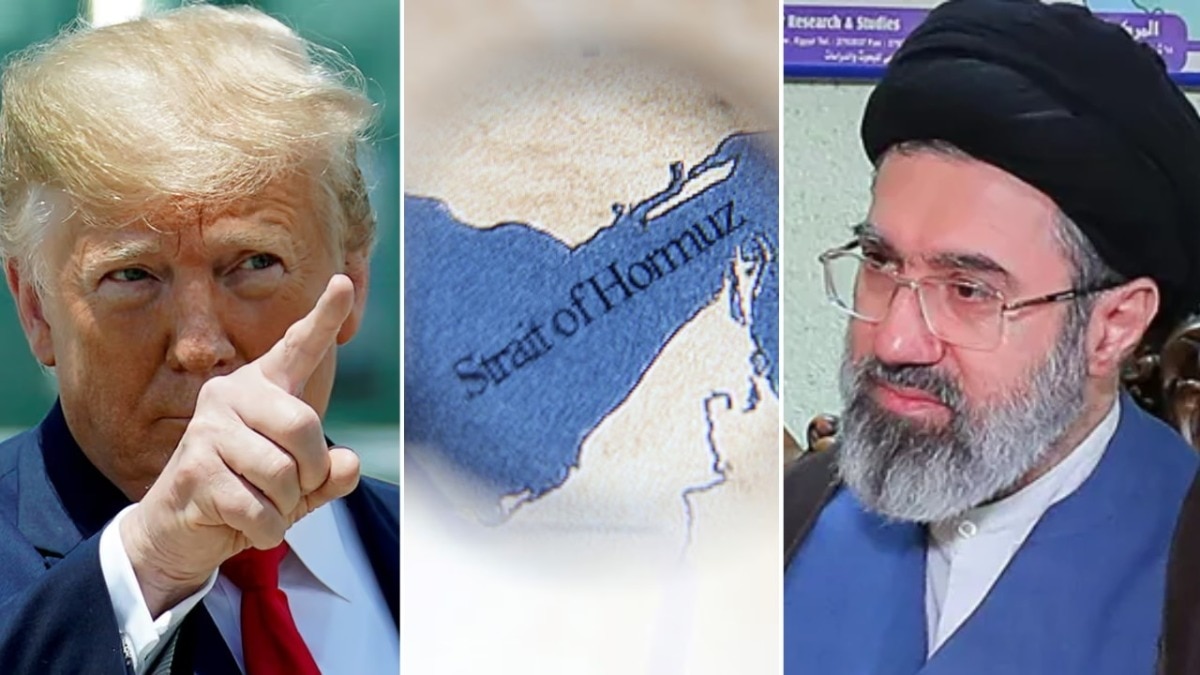
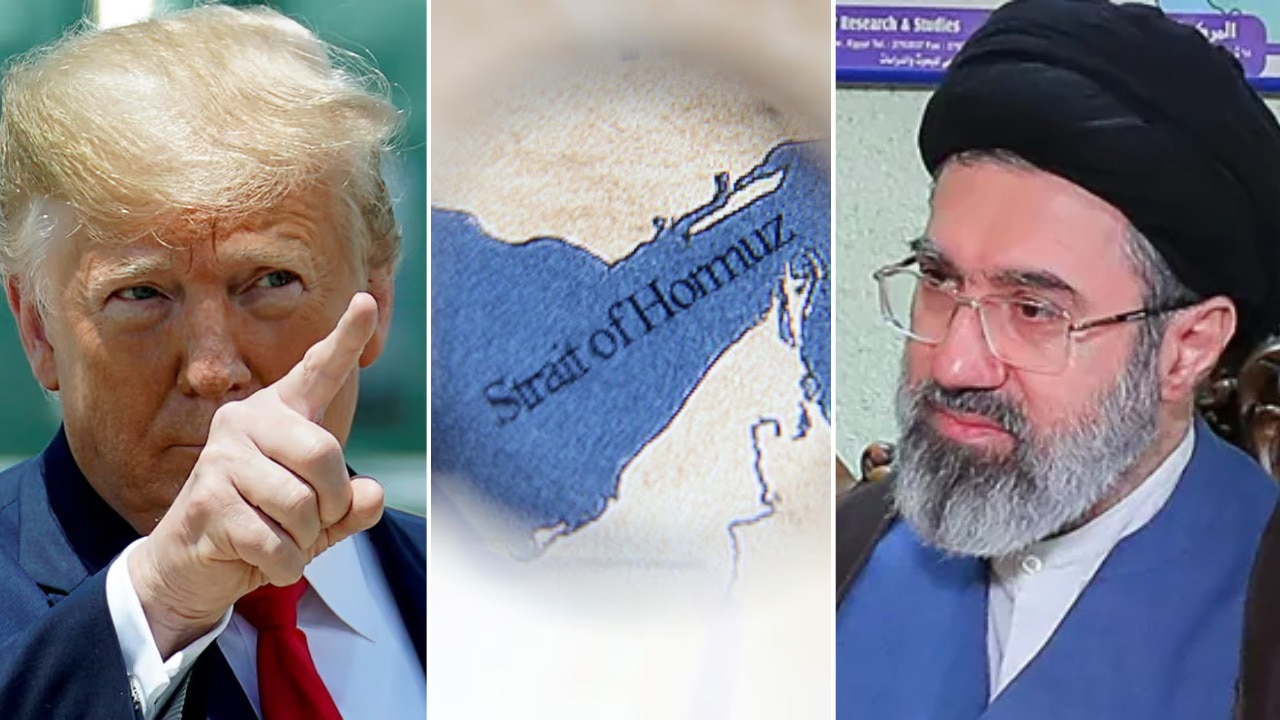
Trump also rejected the idea when asked about the prospect of restrictions or tolls managed by Iran on the Strait of Hormuz.
"Nope. No way. No. Nope," he replied. The leader also said there can’t be tolls along with restrictions. "No, they're not going to be tolls (sic)," he was quoted as saying by the Associated Press.
Meanwhile, Iran's parliamentary Speaker and senior negotiator, Mohammad Baqer Qalibaf, posted on social media that the Strait of Hormuz "will not remain open" if the US blockade continued.
- Ends
(With inputs from agencies)
Published On:
Apr 18, 2026 13:52 IST
Tune In