1 hour ago
Last Updated:March 05, 2026, 15:43 IST
Did the 2002 'Axis of Evil' speech harden Iran’s resolve? How US rhetoric and regional wars shaped Tehran’s 'Axis of Resistance' and redrew Middle East power lines


In January 2002, then-President George W. Bush coined the term “Axis of Evil” to describe Iran, Iraq and North Korea as states that posed significant threats to global security. (Image: Canva)
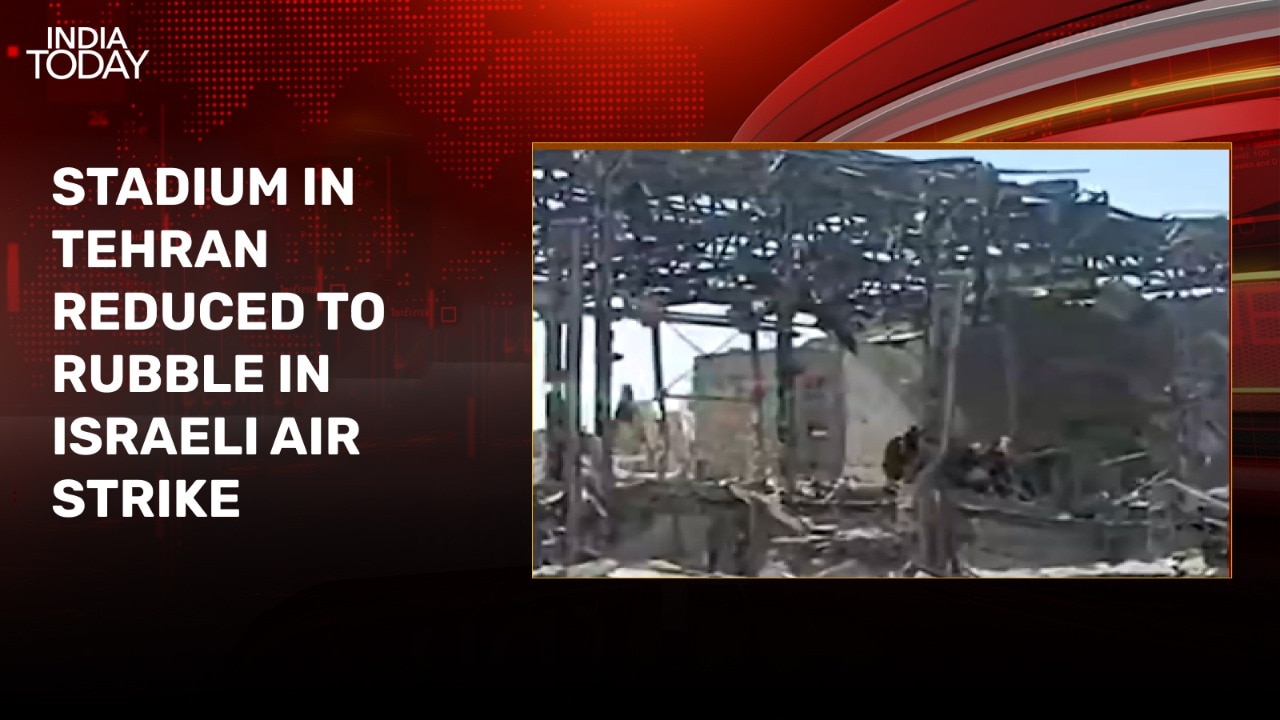
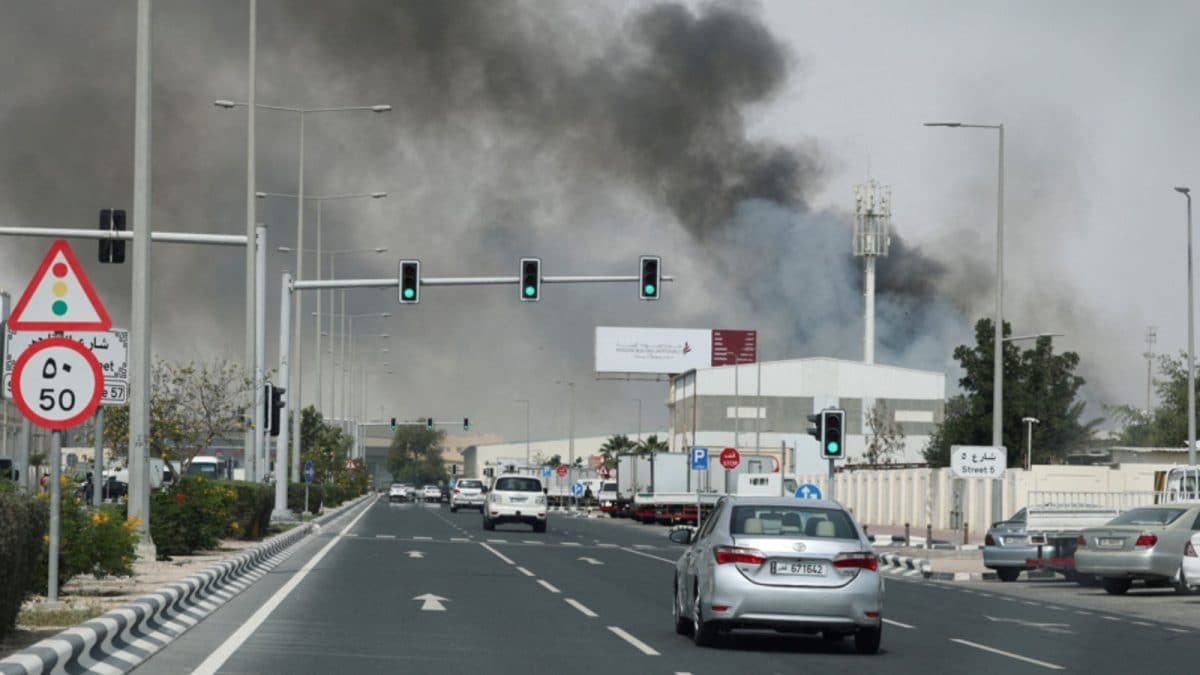
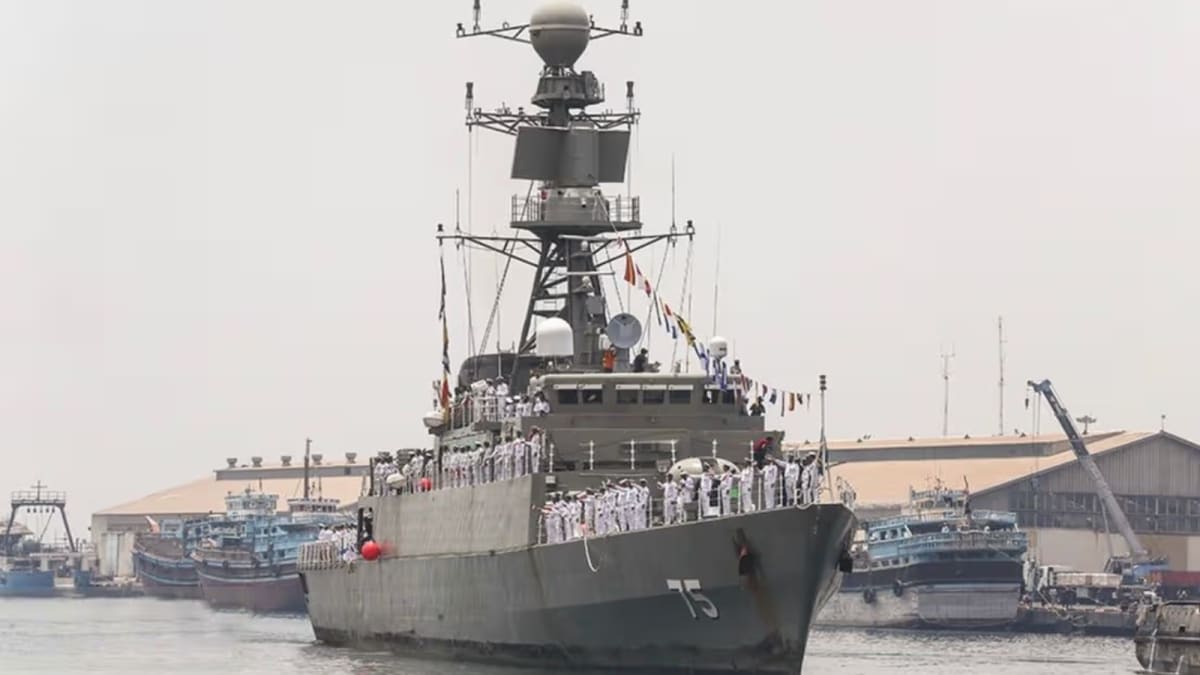
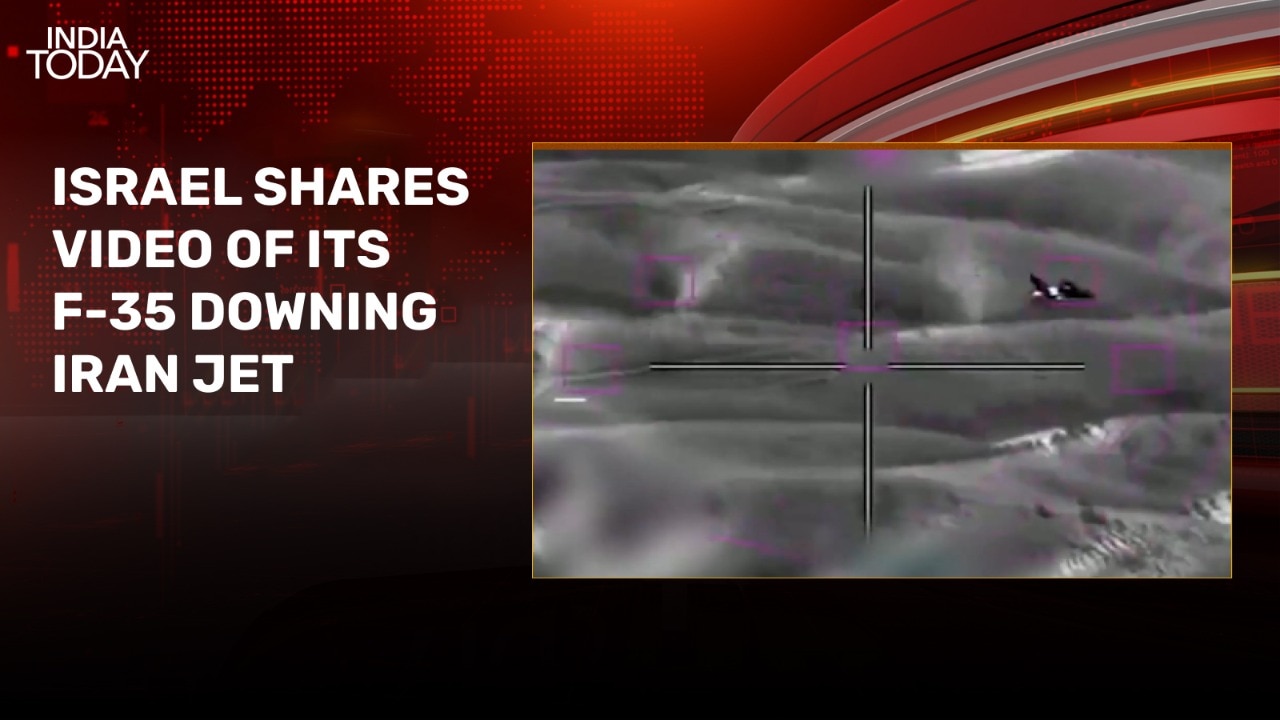
The Middle East is once again the epicentre of a major geopolitical upheaval. On February 28, the United States and Israel launched a coordinated military campaign against Iran — dubbed Operation Epic Fury — targeting strategic military sites, leadership facilities and Tehran’s nuclear infrastructure. The offensive followed years of mounting tensions over Iran’s nuclear ambitions, missile development and regional proxy activities.
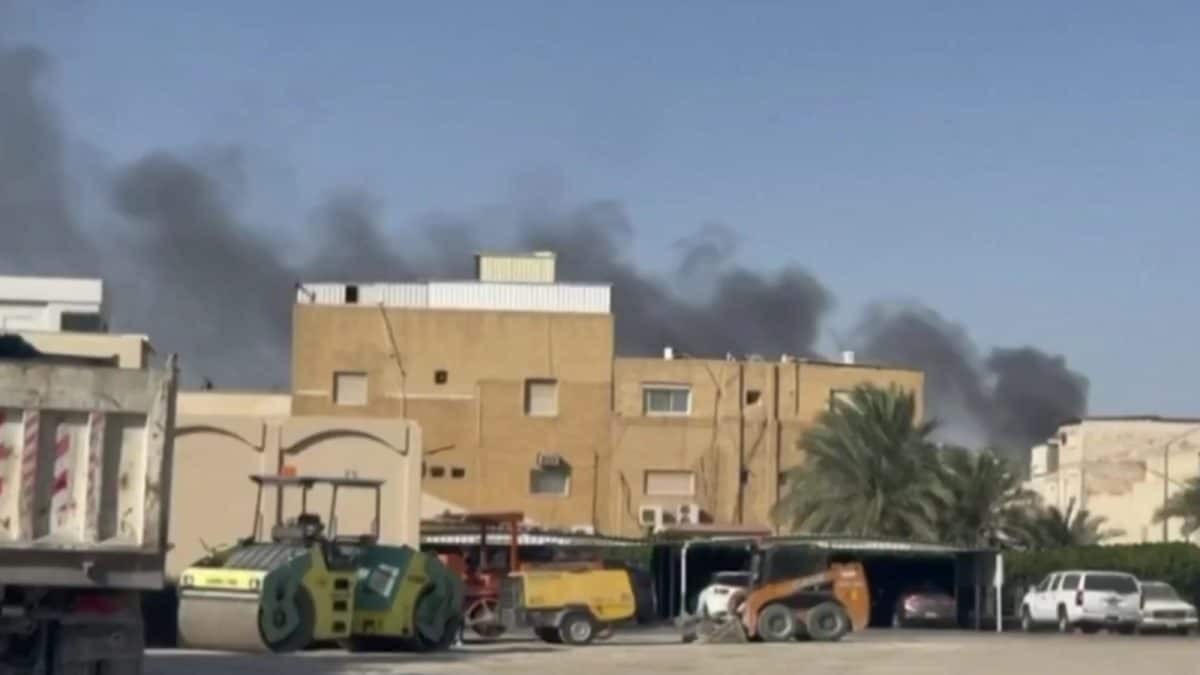
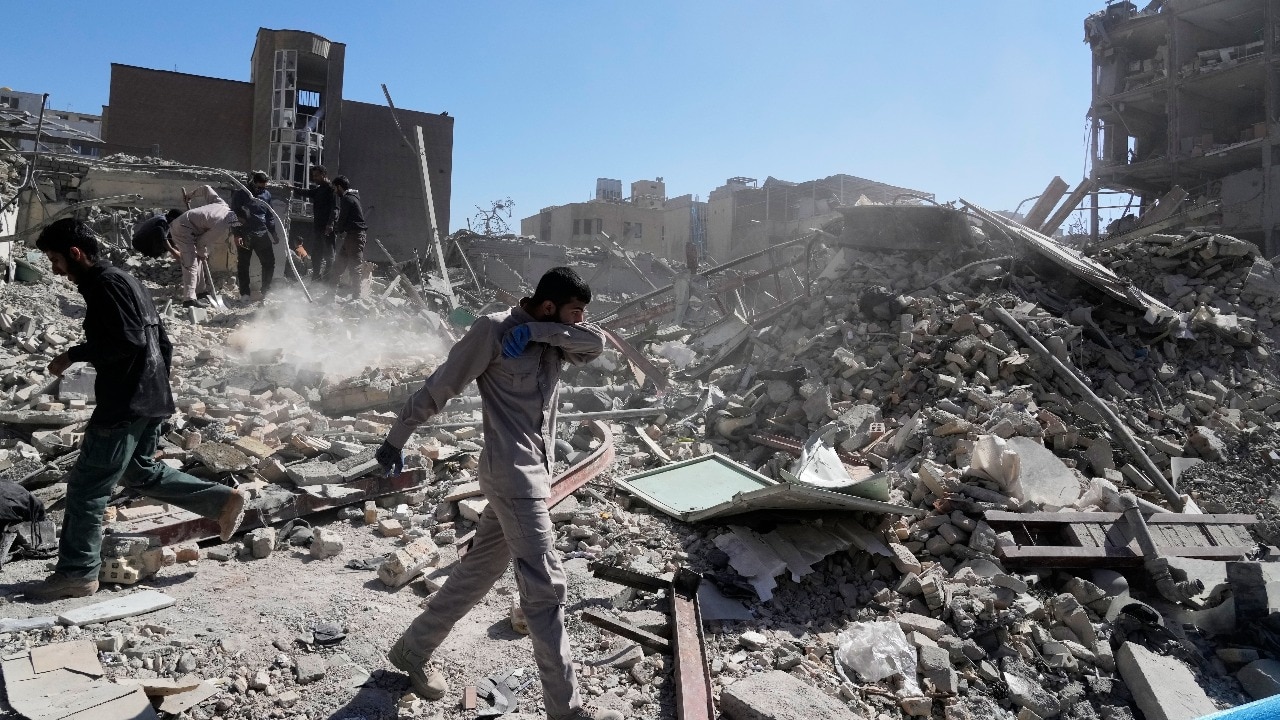
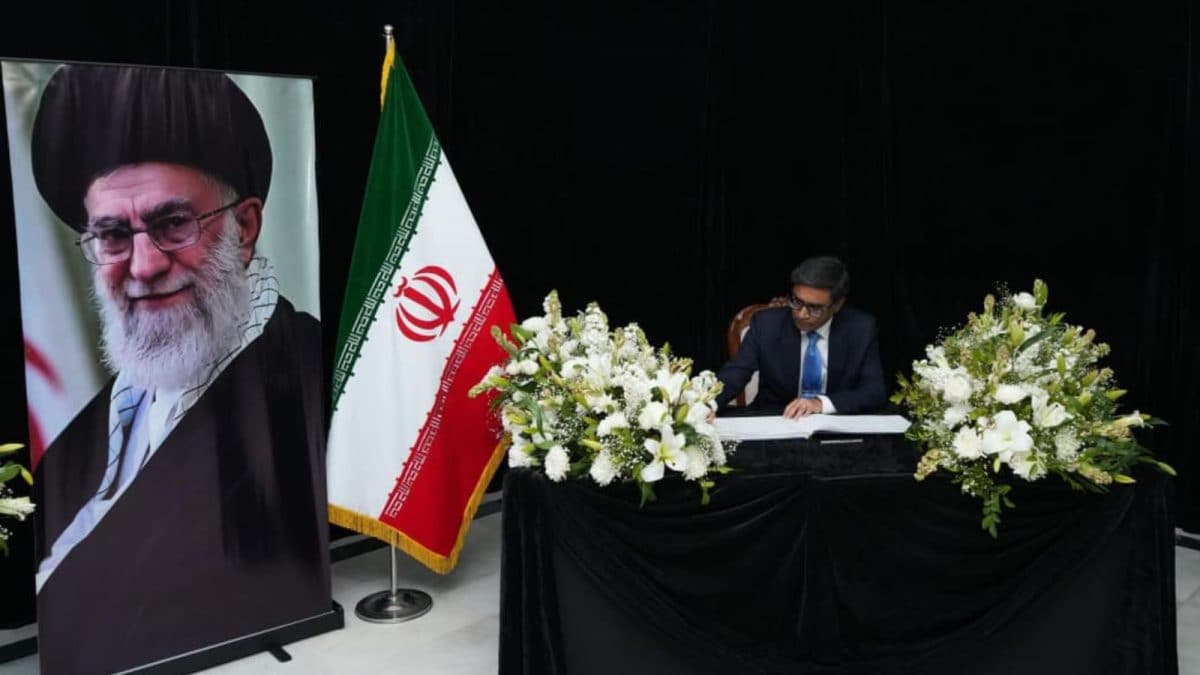
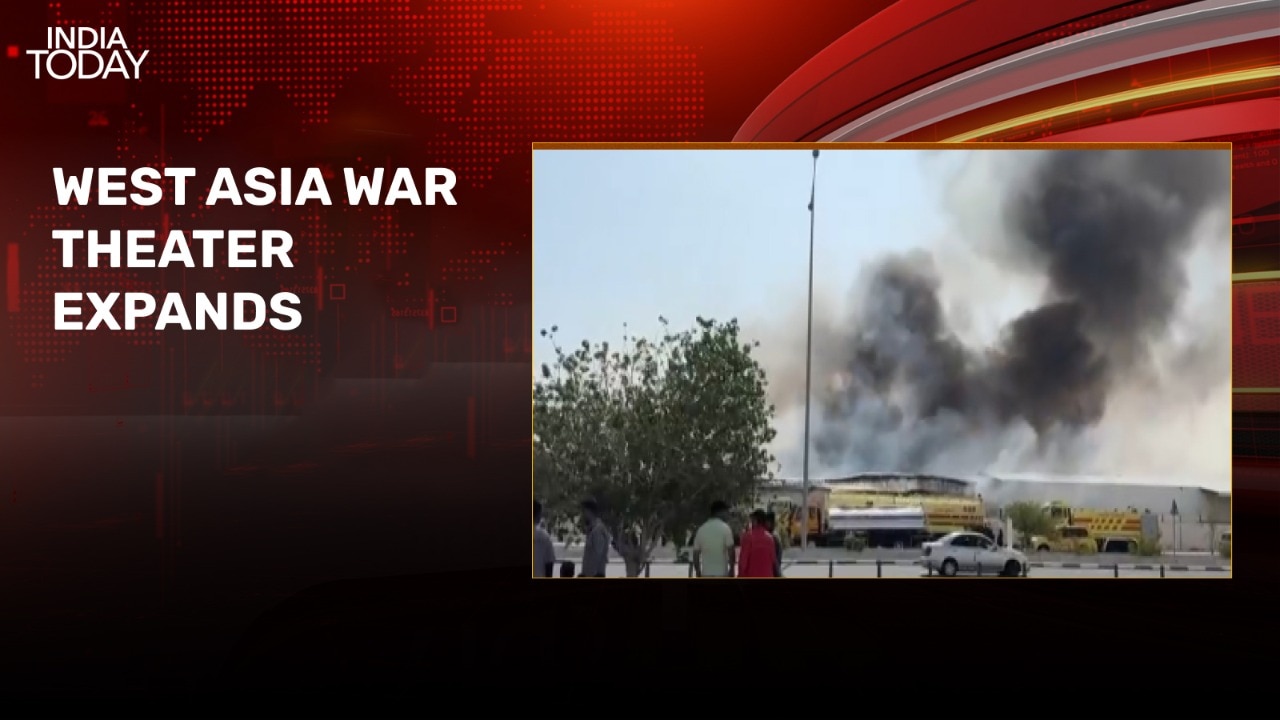
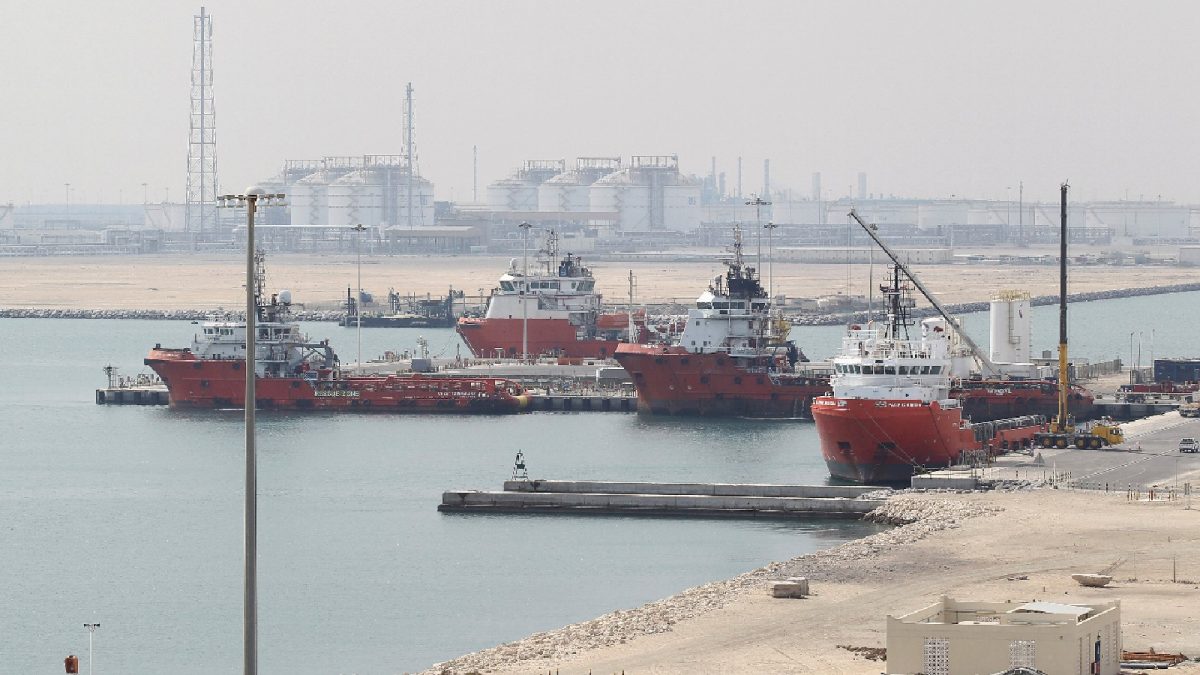
The strikes, which included the killing of Iran’s Supreme Leader Ayatollah Ali Khamenei, have triggered waves of retaliation across the region, with ballistic missiles, drone attacks and clashes with neighboring countries like Saudi Arabia, Lebanon, Qatar and Yemen. The crisis has already upended global energy markets, disrupted shipping through the Strait of Hormuz and drawn widespread international condemnation, particularly from countries in the Global South decrying what they see as Western military overreach.
The combined military attack by the United States and Israel has dealt a severe blow to Iran’s network of allied forces known as the “Axis of Resistance," disrupting command structures and exposing fractures in the once-resilient regional alliance. To trace its origins, many analysts return to 2002, when President George W. Bush labelled Iran part of an “Axis of Evil," a moment that hardened hostilities and marked a turning point in Tehran’s long-term regional strategy.
What Is The ‘Axis of Evil’?
On 29 January 2002, President George W. Bush stood before Congress for his first State of the Union address following the 9/11 attacks in 2001. In a passage that would shape American foreign policy for years, he warned that “states like these, and their terrorist allies, constitute an axis of evil, arming to threaten the peace of the world". The three countries singled out were Iraq, North Korea and Iran.
The phrase was reportedly coined by speechwriter David Frum. Its purpose was to frame the post-9/11 struggle in stark moral terms, equating the threat to that posed by communism or Nazism in earlier eras. Iran earned its place on the list because the US State Department had repeatedly designated it as the world’s leading state sponsor of terrorism. Tehran was accused of supporting Hezbollah in Lebanon, Palestinian rejectionist groups, and pursuing weapons programmes that alarmed Washington.
At the time, the inclusion stunned many. Only months earlier, Iran had quietly cooperated with the United States in ousting the Taliban from Afghanistan, supporting the Northern Alliance, managing refugee flows, and helping to broker the Bonn Agreement that established an interim Afghan government. That tentative opening was now abruptly closed.
Contemporary interpretations of the ‘Axis of Evil’ now re-invoked the idea of a broader coalition of adversarial states includes China, Russia, Iran and North Korea in discussions of a modern adversarial bloc without any official designations.
Who Built the ‘Axis of Resistance’?
The strategy of “forward defence" through asymmetric alliances long predates 2002. The Axis of Resistance is an informal, Iran-led political and military alignment operating across the Middle East. Following the 1979 Islamic Revolution and the traumatic eight-year war with Iraq, Iran began cultivating non-state partners as a matter of survival.
The coalition operates as a decentralised structure. Groups coordinate strategically but retain operational autonomy.
Iran: The central anchor, providing funding, weapons, training and ideological direction.
Hezbollah (Lebanon): The most powerful non-state actor in the network, often described as Iran’s primary strategic partner in the region.
Hamas and Palestinian Islamic Jihad (Gaza/West Bank): Palestinian armed groups that have received sustained Iranian backing in their conflict with Israel.
The Houthis (Yemen): A Zaydi Shia movement that has deployed Iranian-supplied missiles and drones against Israeli-linked and Red Sea targets.
Iraqi militias (Popular Mobilization Forces): Groups such as Kata’ib Hezbollah that have targeted US and Israeli interests.
Syria (under Bashar al-Assad): Previously a core state member until the regime’s fall in December 2024, which disrupted a key logistical corridor linking Iran to Lebanon.
Yet the specific term “Axis of Resistance" (mehvar-e moqavemat in Persian) emerged directly as a response to Bush’s speech. Contemporary reporting and subsequent analysis confirm that the label was deliberately adopted around 2003, turning an insult into a badge of honour.
What had been a loose collection of alliances suddenly acquired a unifying brand and a sharper ideological edge. The 2003 US invasion of Iraq, coming hard on the heels of the “axis of evil" rhetoric, accelerated the process: Iran moved swiftly to shape the new Iraqi state through its Shia allies, laying the foundations of today’s Popular Mobilisation Forces.
Axis of Evil vs Axis of Resistance: How This Label Redrew The Map Of Middle East?
The 2002 ‘Axis of Evil’ label, applied by the United States to Iran, Iraq and North Korea, crystallised Washington’s view of Tehran as a major security threat, hardening diplomatic and strategic divisions. That rhetoric did not create Iran’s regional network, but it did coincide with and reinforce a shift toward deeper resistance strategies.
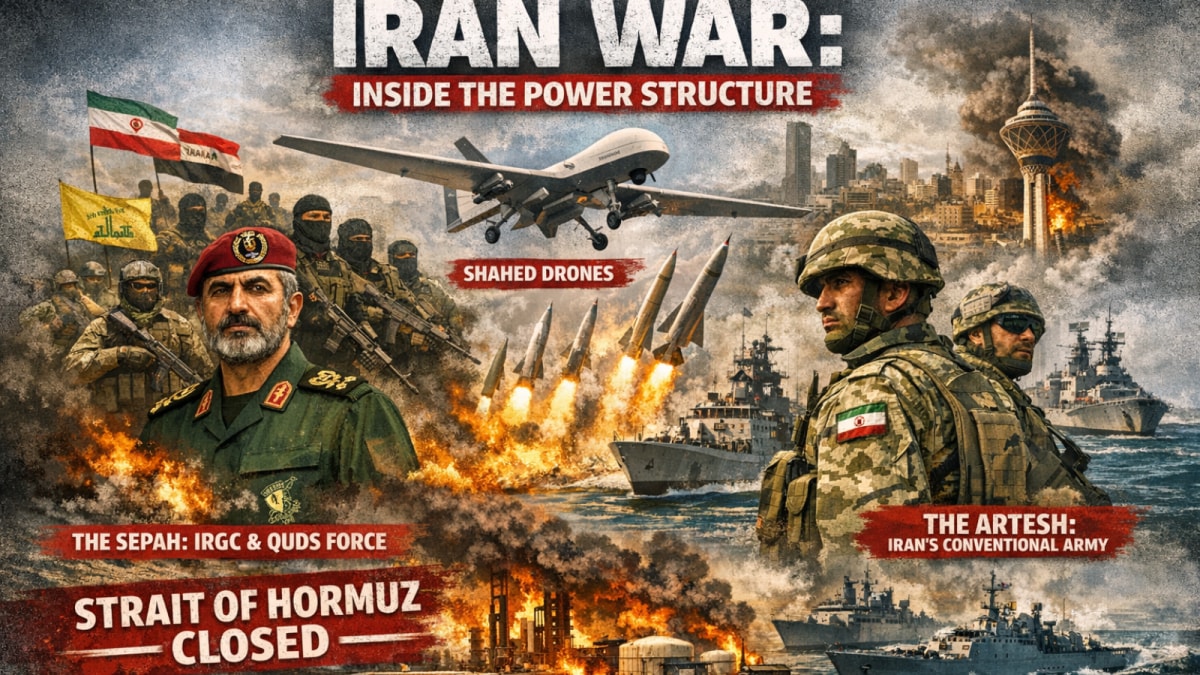
Over the following decades, Tehran’s Revolutionary Guard and allied groups built what came to be known as the Axis of Resistance, a loose coalition of Iranian-backed actors including Hezbollah, Hamas, Iraqi militias and the Houthis that coordinates against U.S. and Israeli influence.
First Published:
March 05, 2026, 08:00 IST
News explainers Did ‘Axis of Evil’ Label Push Iran Towards Building The ‘Axis Of Resistance’?
Disclaimer: Comments reflect users’ views, not News18’s. Please keep discussions respectful and constructive. Abusive, defamatory, or illegal comments will be removed. News18 may disable any comment at its discretion. By posting, you agree to our Terms of Use and Privacy Policy.

Stay Ahead, Read Faster
Scan the QR code to download the News18 app and enjoy a seamless news experience anytime, anywhere.