1 hour ago
Last Updated:March 05, 2026, 17:19 IST
An Iranian ballistic missile crossed Iraq and Syria before NATO shot it down near Turkey on March 4. NATO chief Rutte says Article 5 is not on the table yet.


NATO chief Mark Rutte. (mage: AFP/File)
A ballistic missile launched from Iran crossed through Iraqi and Syrian airspace on the night of March 4 before NATO air defence systems shot it down over the Eastern Mediterranean, as it was bearing down on Turkish airspace.
According to the Turkish Defence Ministry, the missile was engaged by NATO air and missile defence assets stationed in the Eastern Mediterranean. Turkiye Today identified the intercepting vessel as the USS Oscar Austin (DDG-79), a U.S. Navy guided-missile destroyer. The warship used an SM-3 interceptor to neutralise the threat. Debris from the intercept landed in the Dortyol district of Hatay province in southeastern Turkey. No casualties were reported.
This is the first confirmed instance of NATO territory receiving incoming fire from Iran since the current conflict began on February 28. A Turkish official told AFP that Turkey may not have been the intended target at all. The missile is believed to have been aimed at a military installation in Greek Cyprus before it reportedly veered off course.
WHAT DID THE NATO SECRETARY GENERAL MARK RUTTE HAVE TO SAY?
“Nobody’s talking about Article 5," NATO Secretary General Mark Rutte told Reuters. “The most important thing is that our adversaries have seen yesterday that NATO is so strong and so vigilant, and even more vigilant, if possible, since Saturday." He also said that NATO supports the United States in its strikes against Iran as the country was “close to becoming a threat to Europe as well".
Meanwhile, the Iranian Armed Forces General Staff on Thursday denied it had fired missiles at Turkey, saying the Islamic Republic respected the sovereignty of “friendly" Turkey, according to a statement carried by Iranian media, reported by Reuters.
WHAT IS ARTICLE 5, AND WHY IS EVERYONE ASKING ABOUT IT?
Article 5 is NATO’s most powerful rule, and the one every member country signs onto when they join the alliance. In plain terms, it says that if one NATO country is attacked, every other NATO country treats it as an attack on itself. It is the backbone of the entire alliance’s defence logic: mess with one, and you face all 32.
Article 5 has been invoked only once in the alliance’s seven-decade history, by the United States after the September 11 attacks. The bar for invoking it is intentionally high, because triggering it could pull dozens of countries into open conflict overnight.
Right now, that bar has not been cleared. U.S. Defence Secretary Pete Hegseth told reporters at the Pentagon that he had “no sense" the incident would trigger Article 5.
WHERE DOES THE WAR STAND RIGHT NOW?
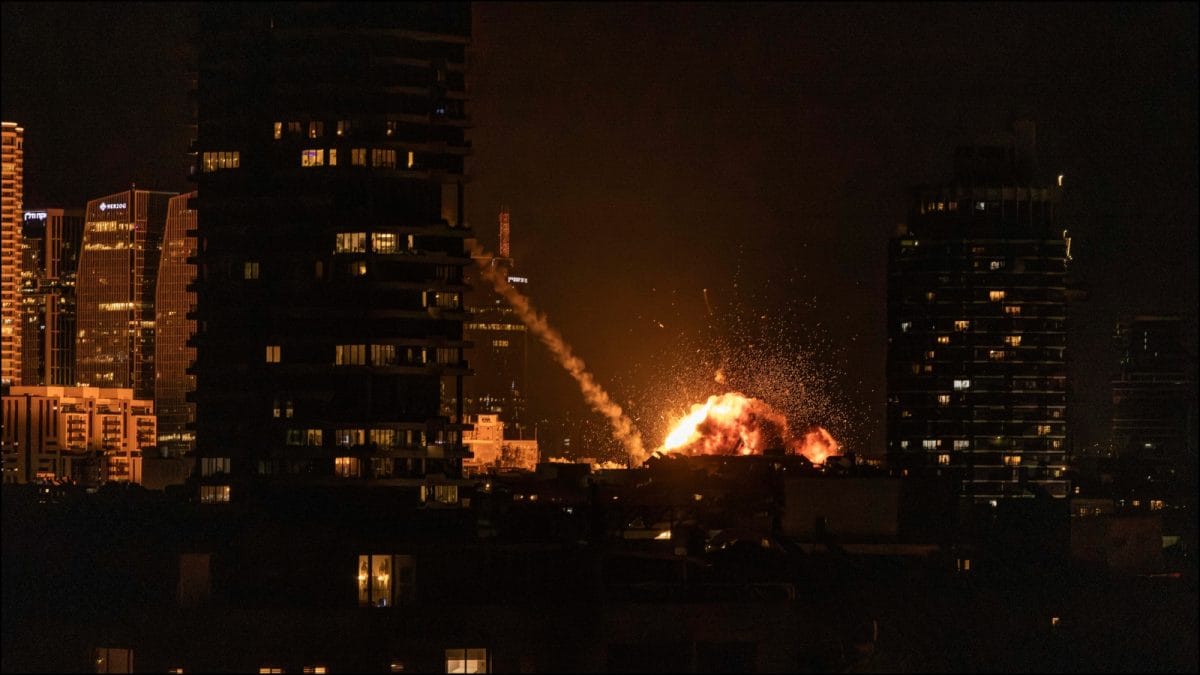
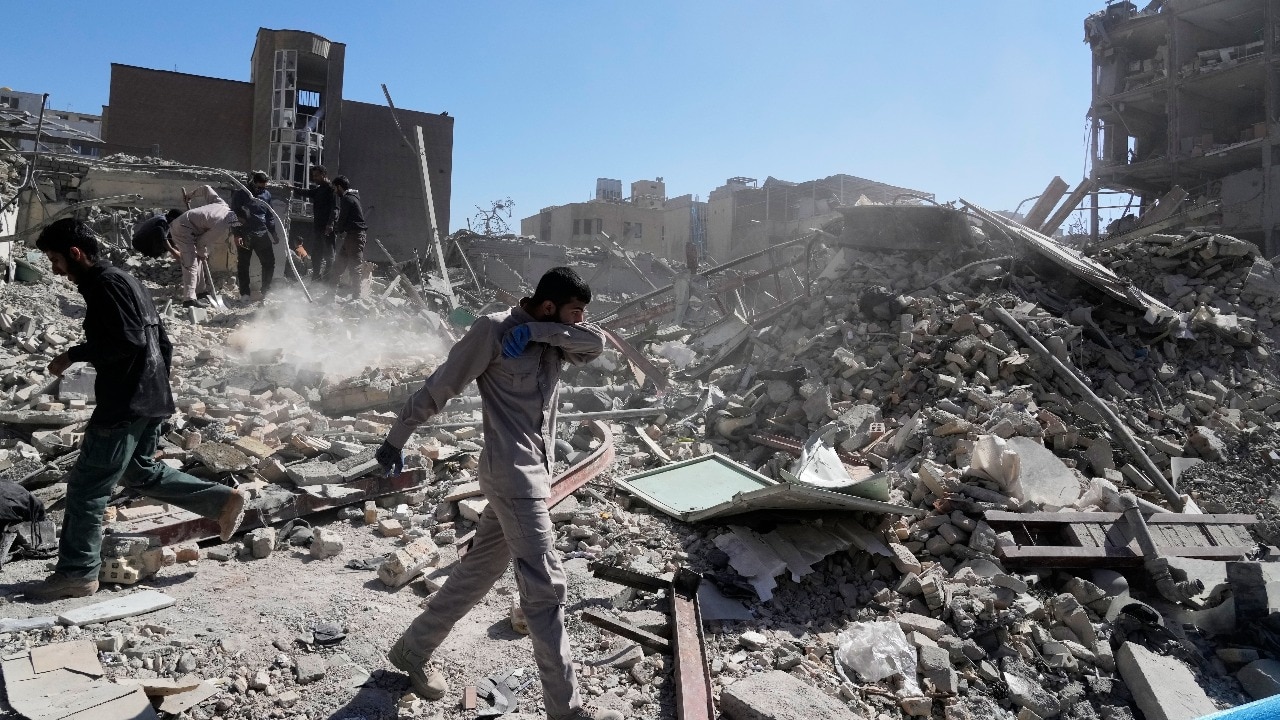
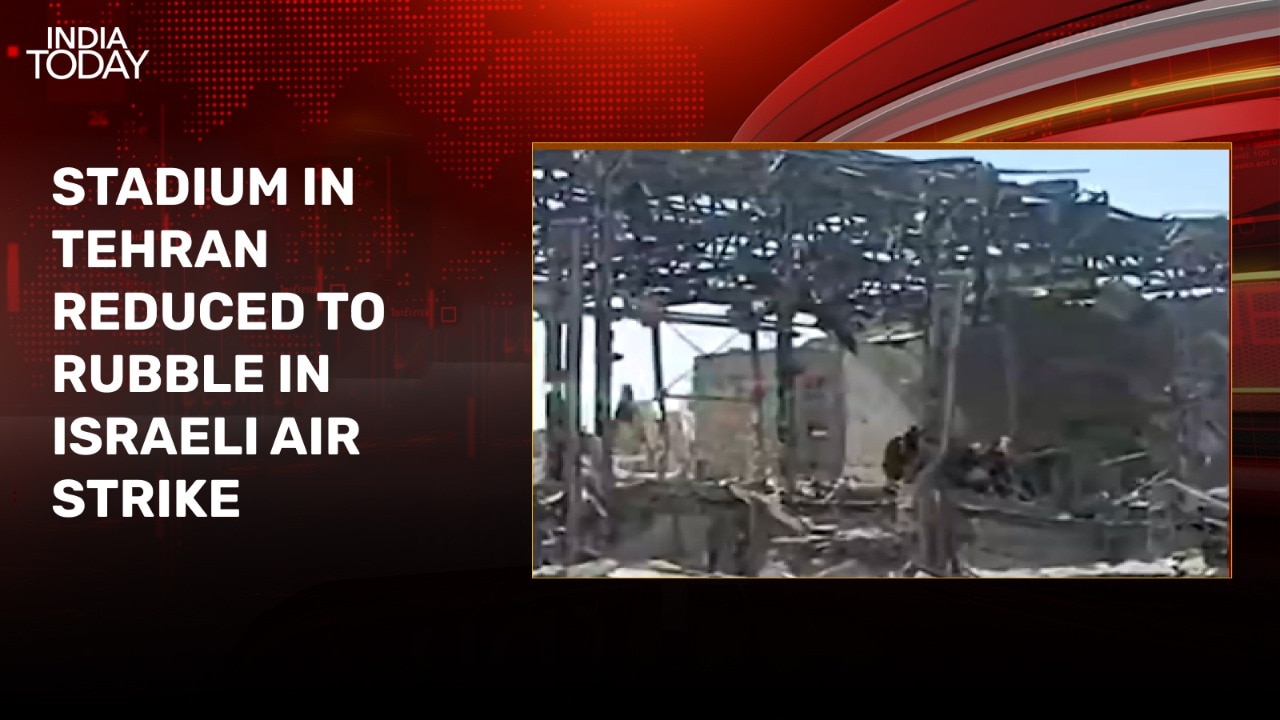
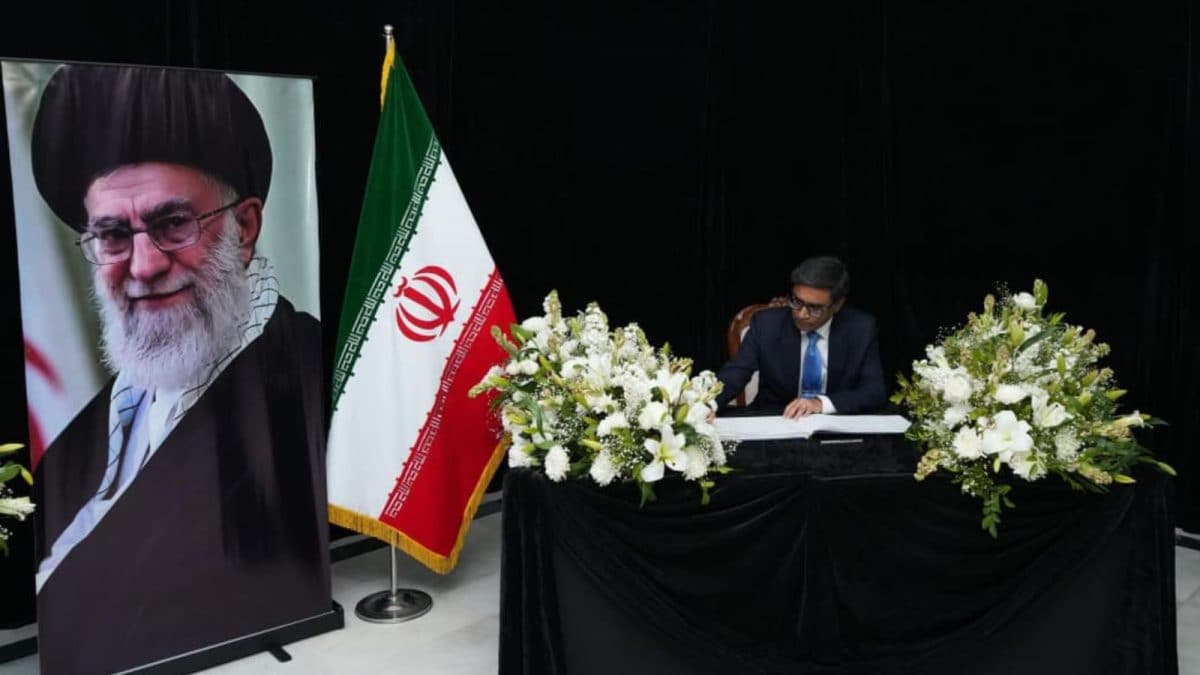
The US-Israeli war with Iran, which began in the early hours of Saturday, March 1, has set off a wave of attacks across the Middle East and as far as the Indian Ocean, where a US submarine sank an Iranian warship. U.S. and Israeli strikes killed Iran’s Supreme Leader Ayatollah Ali Khamenei on Saturday, but the Iranian regime remains intact and has continued firing drones and missiles at U.S. bases, embassies, and interests across the region. An Iranian drone struck a U.S. tactical operations centre in Kuwait on Sunday, killing six U.S. service members.
Iran’s ballistic missile launches have dropped 86 per cent since the conflict began, with a further 23 per cent fall in the preceding 24 hours. Drone attacks are down 73 percent. Despite this, Hegseth has said there will be no let-up from the U.S.-Israeli side. The operation is being referred to as “Operation Epic Fury."
First Published:
March 05, 2026, 17:19 IST
News world Iranian Missile Intercepted By Turkey: Will NATO Step In Middle East War? Mark Rutte Responds
Disclaimer: Comments reflect users’ views, not News18’s. Please keep discussions respectful and constructive. Abusive, defamatory, or illegal comments will be removed. News18 may disable any comment at its discretion. By posting, you agree to our Terms of Use and Privacy Policy.
Read More