1 month ago
WHO says eastern Congo's Ebola outbreak began in February, months before its formal declaration. The delay, rare Bundibugyo strain and conflict-hit conditions have left responders behind the virus.
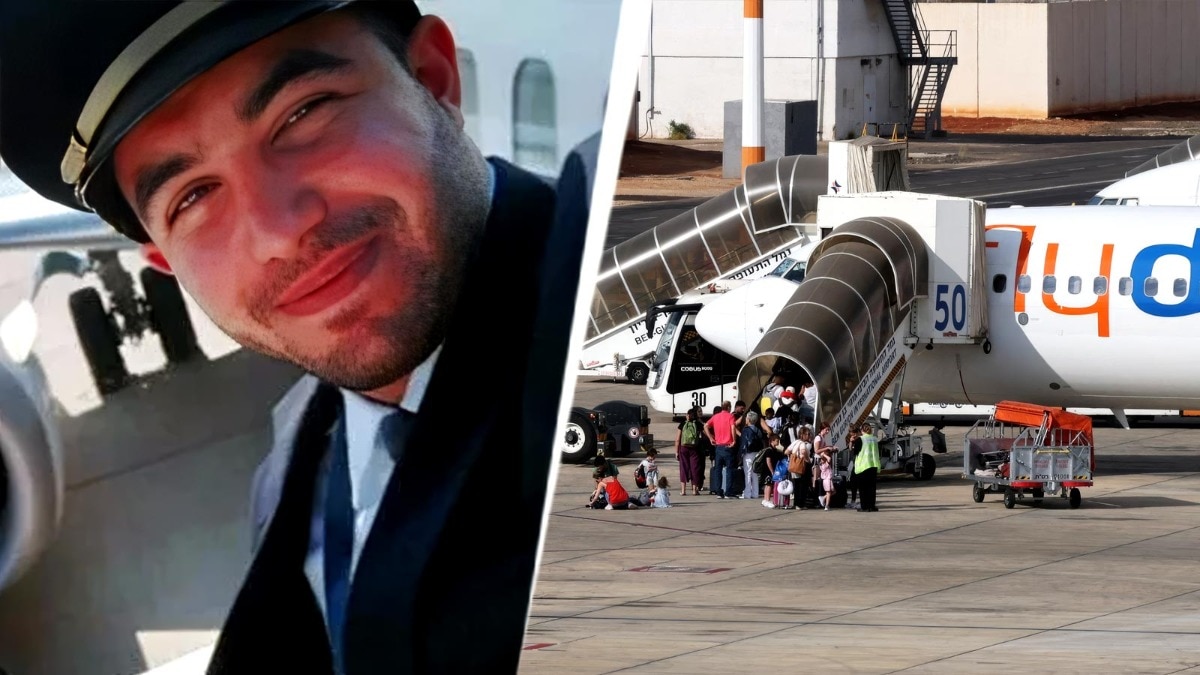
Stock photo used for illustration

Bunia,UPDATED: Aug 10, 2026 20:08 IST
The World Health Organisation said on Monday that the Ebola outbreak in eastern Congo, officially declared on May 15, had in fact started in February, making it the fastest-growing Ebola outbreak on record. WHO officials said responders were struggling to catch up as the virus spread faster than efforts to contain it.
Confirmed cases have risen to 4,200, with more than 1,900 deaths, according to the latest government figures. The outbreak is unlike most previous Ebola outbreaks because it involves the rare Bundibugyo virus, for which there are no approved vaccines or treatments. WHO said early testing had focused on the more common type of Ebola, adding to the delay.
WHO Regional Director for Africa Dr Mohamed Yakub Janabi told a news conference that genetic sequencing showed the outbreak had begun months earlier. He said some of the early cases were wrongly identified as malaria and typhoid. “So we are chasing the virus, the virus is ahead of us,” Janabi said.
The outbreak is unfolding under extremely difficult conditions. Response efforts have been affected by strikes by some unpaid health workers, threats by rebel groups, anger in communities long affected by conflict, and misinformation claiming that Ebola is not real. Health teams are travelling on remote, unpaved roads and have reported shortages of protective gear, while large numbers of displaced people are struggling to find reliable water sources for handwashing.
This outbreak has killed people at a quicker rate than any previous Ebola outbreak, including the 2014-2016 West Africa outbreak, which is considered the worst on record with more than 11,000 deaths from at least 28,000 cases. That outbreak took about eight months to reach 1,000 deaths. Ebola is rare but highly contagious, and can spread through bodily fluids such as vomit, blood or semen, as well as contaminated surfaces and materials such as bedding and clothing. The disease it causes is severe and often fatal.
Last week, WHO Director-General Tedros Adhanom Ghebreyesus said Ebola was spreading faster than efforts to fight it, adding that new cases were doubling in some hotspots. Health authorities have said 60 to 70 per cent of new cases are being detected outside the list of monitored contacts, and that the outbreak is spreading at an “alarming” rate. Access to healthcare in the region had already been weakened by years of rebel conflict in one of Congo’s most remote and vulnerable areas, near the borders of South Sudan, Uganda and Rwanda. Officials have also said some pregnant women and others are avoiding health centres for fear of the virus, putting their lives at risk. WHO noted that several earlier Ebola outbreaks were also declared weeks or months late, including the West Africa outbreak, which was declared in March 2014 even though the first human case was later found to have occurred in December 2013.
In sum, WHO said the outbreak in eastern Congo began months before it was officially declared, and the delay, the lack of approved tools for the Bundibugyo virus, and the difficult conditions on the ground have made the response harder as cases and deaths continue to rise.
With PTI Inputs
- Ends
Published By:
India Today Web Desk
Published On:
Aug 10, 2026 20:08 IST