1 month ago
Donald Trump announced a framework agreement with Iran as his top officials debated whether Tehran could be trusted. The next 60 days of nuclear talks will test both the deal and Iran's leverage over the Strait of Hormuz.
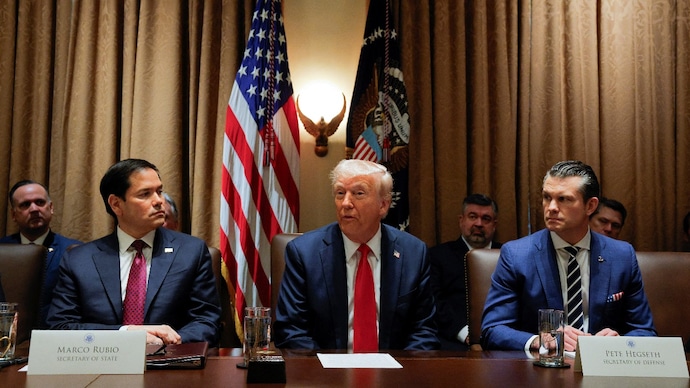
US intelligence had raised serious doubts about Iran's willingness to make the nuclear concessions. (Photo: Reuters)
US President Donald Trump's announcement of a breakthrough agreement with Iran may have projected unity and confidence, but behind closed doors several of his top national security officials reportedly questioned whether Tehran could be trusted to honour its commitments.
According to a report by Axios, CIA Director John Ratcliffe warned Trump and senior administration officials that US intelligence had raised serious doubts about Iran's willingness to make the nuclear concessions Washington is seeking as part of any final agreement.
The concerns emerged as the Trump administration unveiled a memorandum of understanding (MOU) designed to reopen the Strait of Hormuz and launch negotiations towards a broader nuclear deal.
However, intelligence assessments reviewed by senior officials reportedly painted a more complicated picture.
INTELLIGENCE RAISES RED FLAGS
The CIA chief told Trump that intelligence agencies had found signs that Iran's private stance on the deal differed from the commitments it was making publicly.
"The intelligence reflects that the Iranian intentions are not in line with their commitments under the deal," a source told Axios.
A series of high-level meetings took place before Sunday's announcement, during which Trump and his advisers examined intelligence indicating that Iranian officials may not be prepared to accept the nuclear restrictions being sought by Washington.
Ratcliffe reportedly concluded that Tehran's private messaging did not match its public commitments.
DIVISIONS INSIDE TRUMP'S TEAM
The CIA director was not the only senior official expressing reservations.
According to the report, Secretary of State Marco Rubio and Defense Secretary Pete Hegseth also raised concerns about the agreement and questioned whether Iran would ultimately accept the nuclear steps demanded by the United States.
On the other side of the debate were Vice President JD Vance, special envoy Steve Witkoff and former senior adviser Jared Kushner, who argued that the framework offered an opportunity to test Tehran's intentions and move the diplomatic process forward.
Despite the internal debate, the White House insisted the administration remained united behind the president's decision.
"President Trump listens to all opinions on any given issue — but everyone understands he is the final decision-maker," a White House official was quoted in the report.
"This MOU meets all of the redlines that the administration has long articulated by ensuring that Iran can never possess a nuclear weapon, they cannot keep their highly enriched uranium, and they cannot hold the world's energy supply hostage," the official added.
A 60-DAY TEST FOR BOTH SIDES
The memorandum remains a preliminary framework rather than a final settlement.
Under the agreement, the ceasefire will continue while Washington and Tehran attempt to negotiate a detailed nuclear accord over the next 60 days.
Iran will maintain the current status of its nuclear programme during negotiations, while the US will refrain from imposing additional sanctions or deploying more military forces to the region.
Senior administration officials have said Washington expects to know within weeks whether Tehran is serious about making nuclear concessions.
Critics inside the administration, however, fear Iran could gain valuable economic and diplomatic breathing room without making significant compromises.
One source familiar with the agreement told Axios that Tehran may ultimately "get more than it gives" unless a final nuclear agreement is reached on terms acceptable to Washington.
Even as diplomats prepare for the next phase of negotiations, fresh intelligence assessments claim the conflict may have altered the strategic balance in the Gulf. According to CNN, US intelligence agencies have concluded that Iran has demonstrated an ability to effectively shut down the Strait of Hormuz whenever it chooses, giving Tehran a powerful new source of leverage over global energy markets.
The assessment comes despite an understanding within the framework agreement that the waterway will reopen and commercial traffic will resume.
"We have now handed Iran de facto control over the strait – a weapon more powerful than any nuke," one source told CNN.
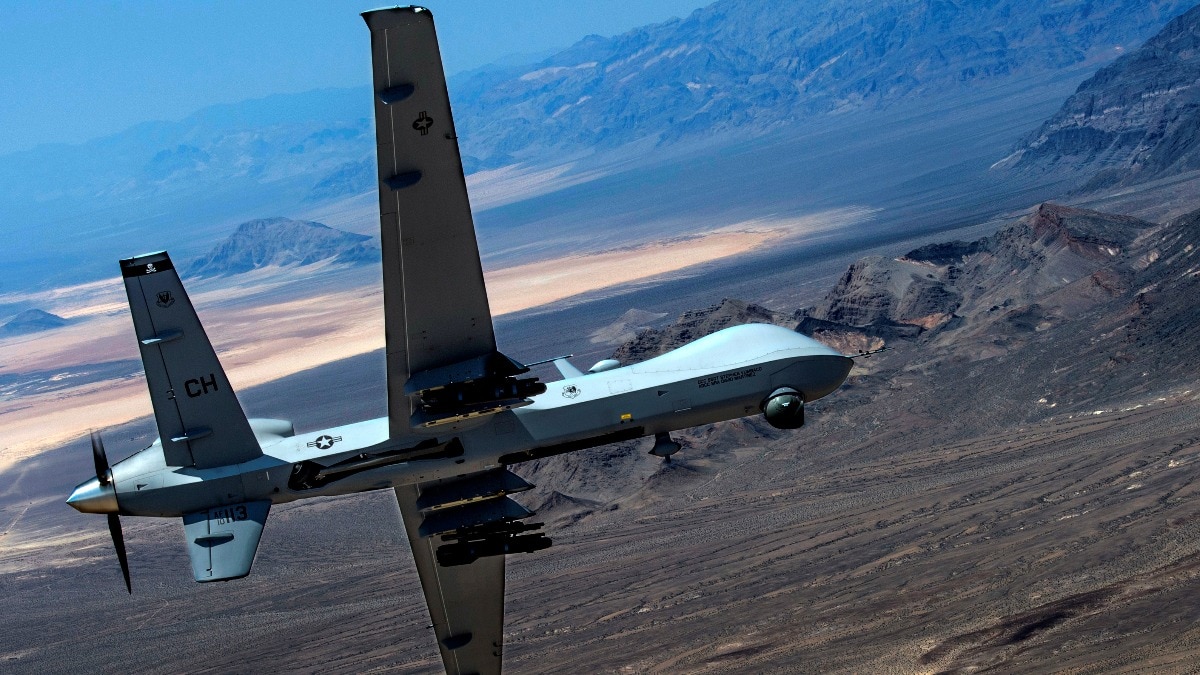
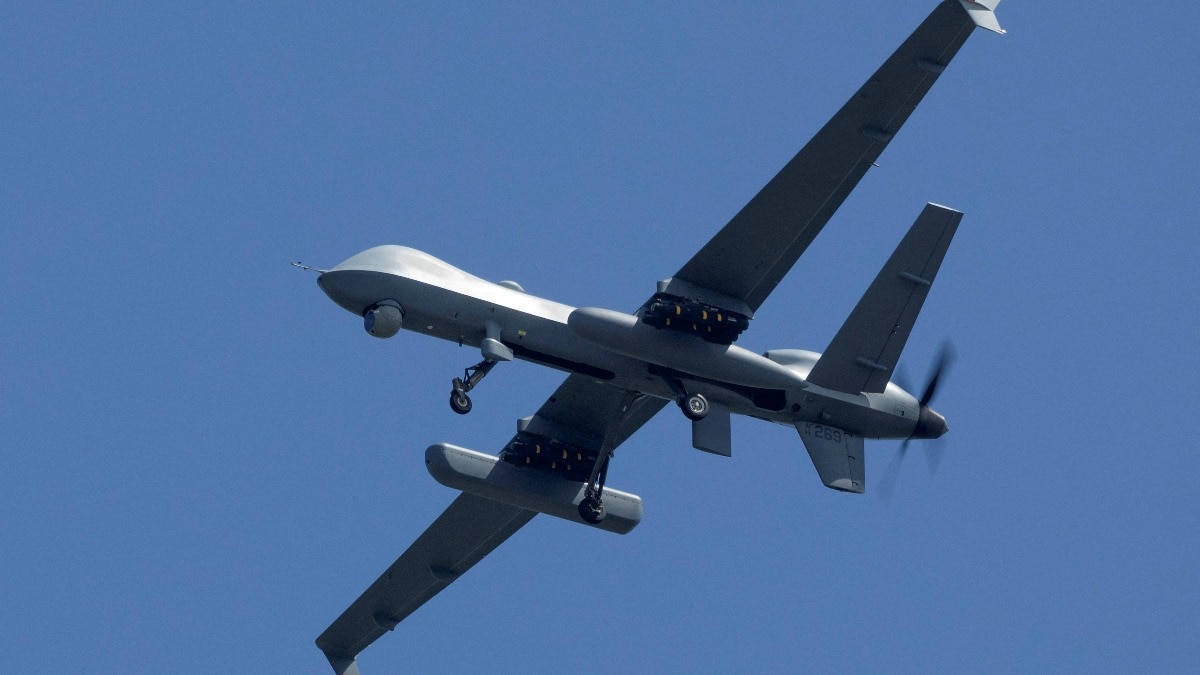
US officials believe Iran emerged from the conflict with much of its missile, drone and naval capabilities intact, allowing it to retain the ability to disrupt one of the world's most important energy chokepoints.
Several intelligence assessments reportedly concluded that Iran has become more confident in using economic pressure as a strategic tool after demonstrating its ability to disrupt shipping and target regional energy infrastructure during the conflict.
HIGH-STAKES TALKS AHEAD
The next major test for the agreement is expected later this week, when senior US officials, including Vance and Witkoff, are expected to meet Iranian Parliament Speaker Mohammad-Bagher Ghalibaf and Foreign Minister Abbas Araghchi, along with Pakistani and Qatari mediators.
Those discussions will focus on converting the framework agreement into a detailed nuclear accord.
For now, the deal remains a work in progress. While Trump has portrayed it as a pathway towards lasting peace and regional stability, intelligence officials and several members of his own administration remain unconvinced that Iran is prepared to make the concessions required for a final agreement.
- Ends
With inpust from agncies
Published By:
Satyam Singh
Published On:
Jun 17, 2026 01:40 IST