 2 hours ago
China's consumer spending and investment lagged in August, despite improved industrial output. Retail sales rose 0.4%, fixed-asset investment plunged 7.2%, and property investment slumped 19.9%.
By Bloomberg September 15, 2026, 8:10:50 AM IST (Published)
2 Min Read
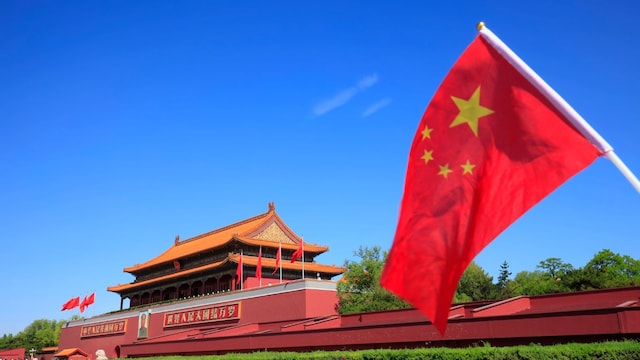
China’s consumer spending and investment languished in August, even as industrial output improved more than expected, adding pressure on officials to step up support for the economy.
Retail sales rose 0.4% from a year ago, worse than the consensus forecast for a 0.8% gain by economists in a Bloomberg poll, and down from 0.6% in July.
Fixed-asset investment plunged 7.2% in the first eight months from the same period last year, slightly more than expected. Industrial output grew 5.2% in August, exceeding expectations and accelerating from July’s 4.5% gain.
“The economy was overall stable in August,” the NBS said in a statement. “But we also need to see that the negative impact from the external environment is deepening, and the imbalance between strong supply and weak demand is still prominent domestically.”
China’s economic growth is at risk of falling below the official annual target of 4.5% to 5% for a second straight quarter after decelerating sharply in April-June. Unless momentum improves in the coming months, policymakers are likely to face growing pressure to deploy additional stimulus.
Beijing is starting to dial up fiscal policy after months of deep contraction in public spending. Still, reversing the decline in government expenditure and channelling the money into the broader economy may take time.
The economy is also confronting external shocks that are widening the divergence among industries and complicating the policy outlook. Global oil prices have surged back above $100 a barrel as tensions in the Middle East intensify, squeezing downstream industries. Meanwhile, a boom in global demand for artificial intelligence-related electronics continues to drive double-digit growth in exports.
An overhaul of real estate policy aimed at dismantling the country’s so-called pre-sale model is likely to weigh further on property investment and local government finances in the coming months. The measure essentially delays developers’ access to mortgages to strengthen protections for homebuyers, likely curbing builders’ appetite for expansion as the industry grapples with a prolonged liquidity squeeze.
Property investment slumped 19.9% in the first eight months of this year from a year ago, deepening its decline. The urban jobless rate unexpectedly rose to 5.3% from 5.2% in July.
Also Read: EU is set to propose ban on social media and AI chatbots for under-15s
HomeEconomy NewsChina's economic momentum stays weak as consumption falters