1 month ago
Canada and the US moved closer to a trade pact, but Quebec sought clearer terms. The stand-off underscores provincial leverage over alcohol sales and anxiety over dairy and forestry protections.
Image used for representational purposes only

Toronto,UPDATED: Aug 20, 2026 18:34 IST
Canada and the United States moved closer on Wednesday to finalising a trade agreement that would avert threatened 50 per cent US tariffs, but Quebec Premier Christine Frchette said the talks were still far from over and sought more details from Prime Minister Mark Carney before deciding if the emerging deal protected the province's dairy and forestry sectors.
Frchette also pushed back against any quick return of US alcohol to provincial stores, saying Quebec would take its own decision on whether American products should go back on shelves at the SAQ, the government corporation that controls most retail sales of wine and spirits in the province.
"Information is missing before I can make the right decisions to ensure Quebecers are protected. I am awaiting clarifications from Mr Carney," she said in a social media post late on Wednesday.
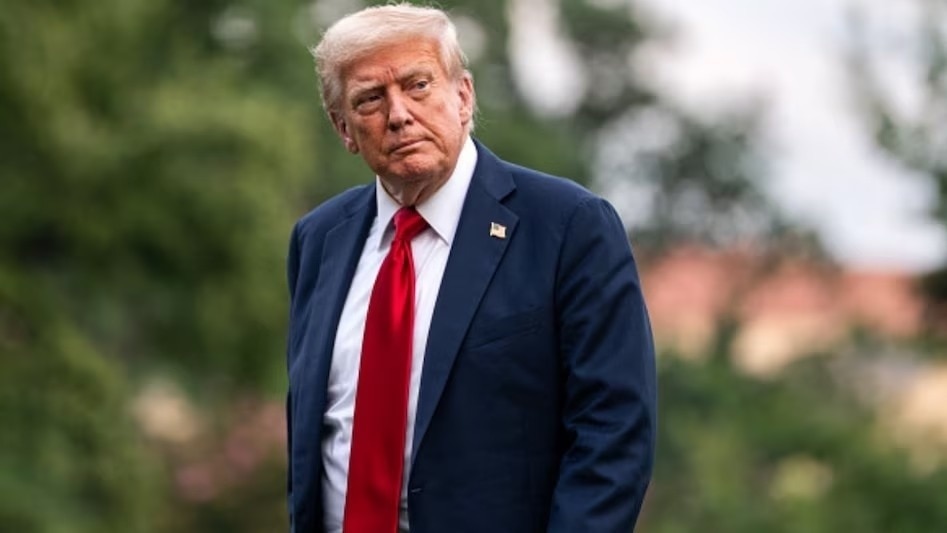
US President Donald Trump said the agreement was "very fair" to both sides and predicted that US farmers and manufacturers would benefit. Tariffs on about USD 20 billion worth of Canadian imports have been postponed until 12:01 am on Saturday.
Quebec does not have a veto over a Canada-US trade agreement, but it does control provincial measures such as whether US alcohol is sold through the SAQ. During a briefing on Wednesday, Carney asked provincial premiers to return US alcohol to store shelves, Nova Scotia Premier Tim Houston said, in a move aimed at addressing one of the Trump administration's main trade complaints.
The White House said the emerging deal included a Canadian commitment to address restrictions on US alcohol. But Carney cannot order provinces to restore those sales.
Frchette's Coalition Avenir Qubec faces voters in an October provincial election, adding political pressure as she weighs possible concessions on dairy, forestry and sales of US alcohol.
Houston and two other premiers backed the direction of the talks, though Houston said whether Canadians would actually buy US alcohol again "is a whole other discussion".
Eight of Canada's 10 provinces restrict or ban US alcohol. The measures were imposed in retaliation for Trump's previous tariffs on Canadian goods and amid anger over his repeated remarks about making Canada the 51st US state.
Ontario, Canada's most populous province, is seen as especially important. Its government-run LCBO, one of the world's largest alcohol purchasers, sold nearly CAD 1 billion, or USD 723 million, in US products annually before removing them from shelves last year.
Details of the emerging agreement remain unclear, but Trump has claimed Canada agreed to end tariffs on US agricultural products. Canada currently allows a fixed amount of dairy imports at low tariffs, but once imports cross that limit, much higher tariffs apply. The US says Canada's supply-management system makes it harder for American dairy producers to secure full access to the Canadian market.
Dominic LeBlanc, the Canadian minister responsible for trade with the US, said Canada's "agriculture sector will be well protected and we have maintained our tough line". As talks continue, Quebec has sought more clarity on protections for its key sectors while the wider agreement remains under discussion.
With PTI Inputs
- Ends
Published By:
India Today Web Desk
Published On:
Aug 20, 2026 18:34 IST