1 month ago
Cambodia's Supreme Court upheld Rong Chhun's incitement conviction but suspended the rest of his sentence. The final ruling keeps him out of prison while barring him from politics and travel, fuelling fresh criticism of judicial independence.
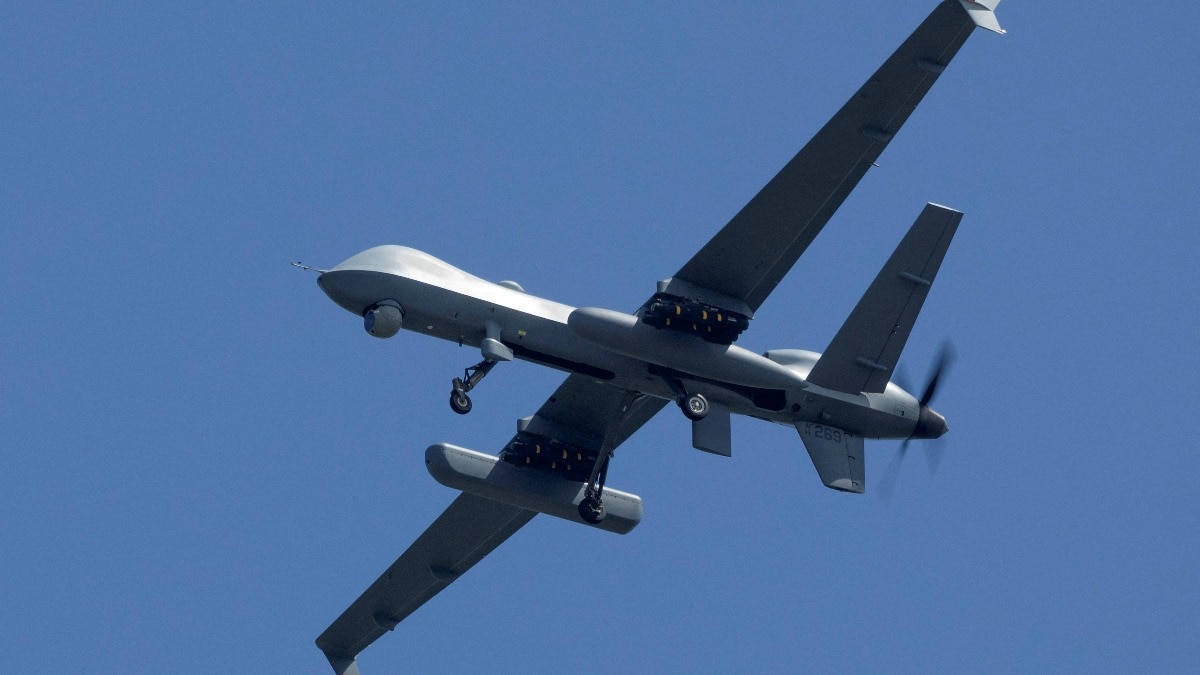
Stock photo used for illustration

Phnompenh,UPDATED: Jun 19, 2026 13:04 IST
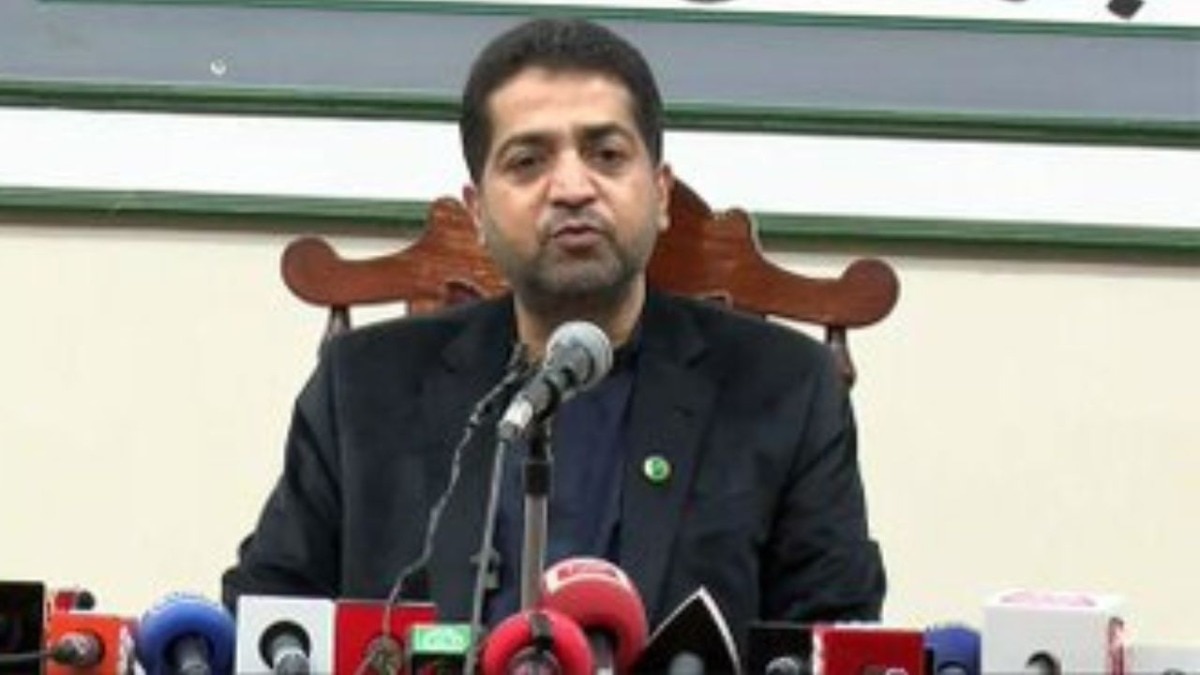
Cambodia's Supreme Court on Friday upheld the incitement conviction of opposition politician Rong Chhun, while suspending the rest of his sentence. The ruling means he will stay out of prison, but he will be kept out of politics for years, renewing questions about the government's handling of criticism and dissent.
Rong Chhun, a top adviser to the Nation Power Party, had been free while his appeal was pending. The court's decision is final, but his lawyer said he remained barred from voting, contesting elections and taking part in politics for five years, and from travelling abroad for the remaining three years of his original four-year sentence.
The verdict angered around 300 supporters who gathered outside the Supreme Court complex in Phnom Penh. Nek Ratha, a 55-year-old from the capital, said, "Even though he is not in prison, I'm saddened that his freedom has been restricted and he has become a sub-citizen, meaning he has no right to vote or participate in politics. The verdict is hard for us to accept because he is not free, and he has done nothing wrong." Rong Chhun, 56, was found guilty last year of inciting social unrest after meeting villagers displaced by government construction projects.
Addressing supporters, Rong Chhun called the ruling "completely unfair" and accused the court of following government orders instead of the rule of law. "If the powerful leader wants black, the court will paint it black for them," he said. "And if the powerful wants white, the court will paint it white for them." He added that he and his lawyer would study the verdict in detail to see whether there was a chance to seek a pardon from King Norodom Sihamoni.
Bryony Lau, deputy Asia director at Human Rights Watch, said the ruling showed Cambodia's courts "lack of independence from the ruling party". She said, "Hun Manet's government should stop using the courts to silence the political opposition and instead reopen space for parties and civil society groups to operate freely ahead of next year's election." Cambodia's Information Minister Neth Pheaktra did not immediately respond to a request for comment on allegations that the court system was under government influence.
Under former Prime Minister Hun Sen, who ruled for nearly four decades, Cambodia faced widespread criticism over human rights abuses, including the suppression of free speech and freedom of association. He was succeeded in August 2023 by his US-educated son Hun Manet, but there have been few signs of political liberalisation. Sophal Ear, a Cambodian political scientist based in the US, said the decision against Rong Chhun was "evidence of continuity rather than change under the transition from Hun Sen to Hun Manet". He said, "A high-profile case like this inevitably becomes a test of how much political space exists under the current leadership and whether the transition has produced any meaningful changes in governance. Many people will conclude that the leadership transition has so far produced more continuity than reform."
The Supreme Court ruling leaves Rong Chhun out of jail for now but bars him from political activity and overseas travel for years, while also drawing fresh criticism of Cambodia's courts and political climate. With the verdict final, the only possible next step mentioned by Rong Chhun was to examine whether he could seek a royal pardon.
With PTI Inputs
- Ends
Published By:
India Today Web Desk
Published On:
Jun 19, 2026 13:04 IST