1 hour ago
Last Updated:February 20, 2026, 08:15 IST
Britain’s line of succession remains firmly anchored in Prince William and his children, ensuring stability for the monarchy even as scandal swirls around Mountbatten-Windsor.
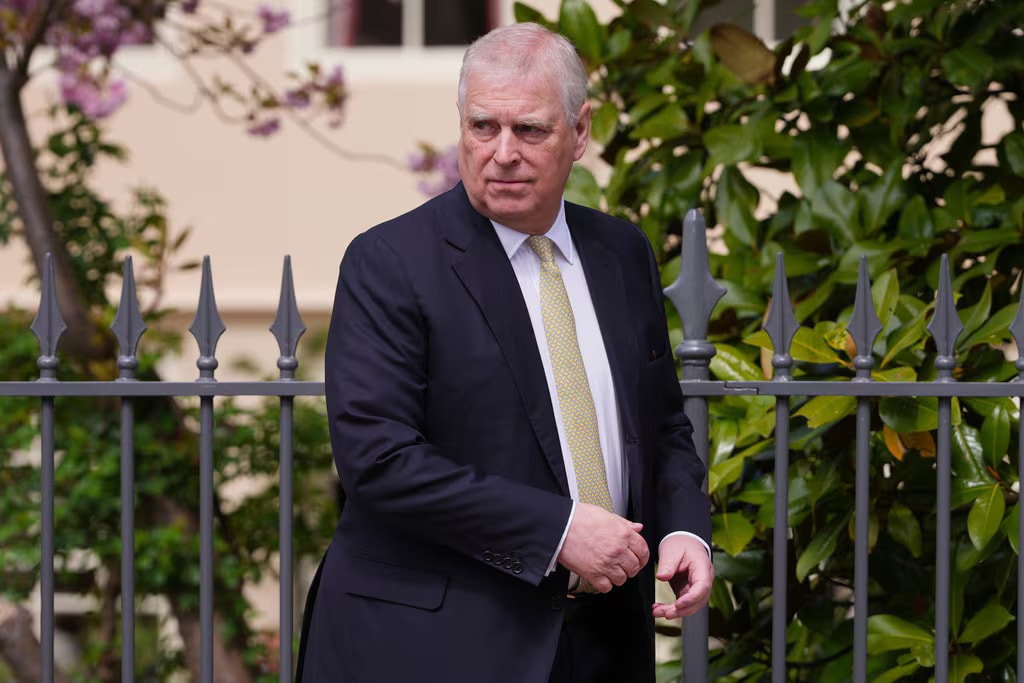
On February 19, 2026, Andrew Mountbatten-Windsor (formerly Prince Andrew) was arrested at Sandringham on suspicion of misconduct in public office, linked to revelations in the Jeffrey Epstein files. Police allege he may have shared sensitive government information during his time as a UK trade envoy. He was released after 12 hours in custody, but the incident marks the first time in modern history that a senior royal has been arrested, sending shockwaves through the monarchy and raising questions about the institution’s resilience. King Charles III issued a statement emphasizing that “no one is above the law.” Against this backdrop, it’s worth revisiting the current line of succession to the British throne, a centuries-old system that determines who will inherit the Crown.
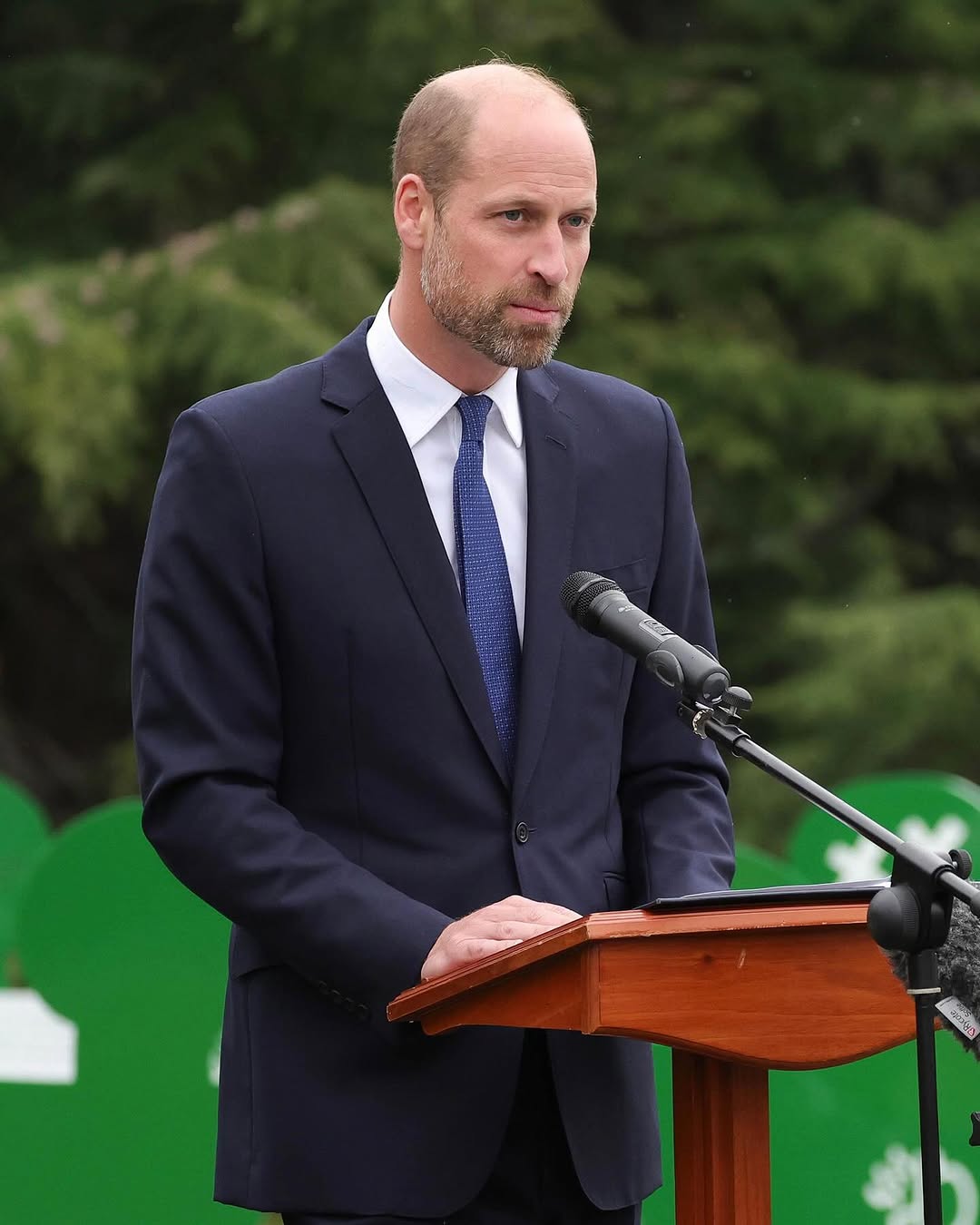
At the very top of the line is Prince William, Prince of Wales, the eldest son of King Charles III. He is the immediate heir and widely seen as the future of the monarchy.
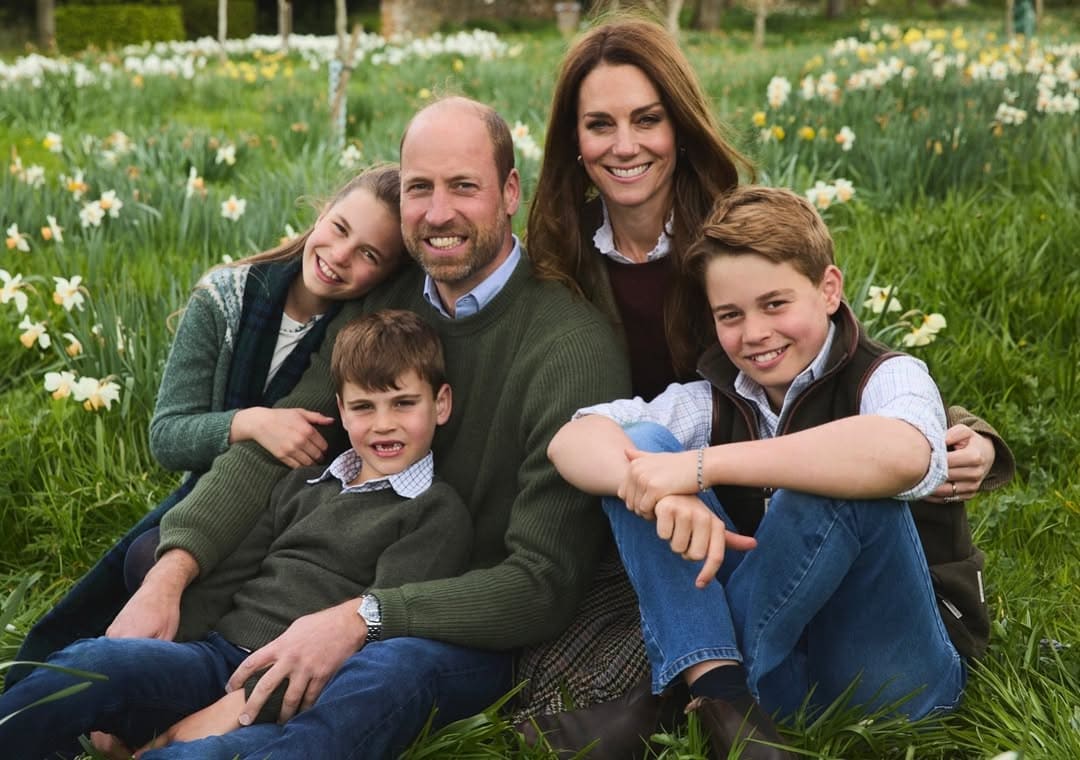
Following him are his three children: Prince George, who at just 12 already represents the next generation of royal continuity; Princess Charlotte, aged 10, who benefits from the modern rule of absolute primogeniture that places daughters equally in line; and Prince Louis, the youngest at 7, who rounds out William’s branch of heirs.

Next comes Prince Harry, Duke of Sussex, the King’s second son. Despite stepping back from royal duties, Harry remains firmly in the succession. His children, Prince Archie (6) and Princess Lilibet (4), follow him, ensuring that the Sussex line is preserved within the royal order.
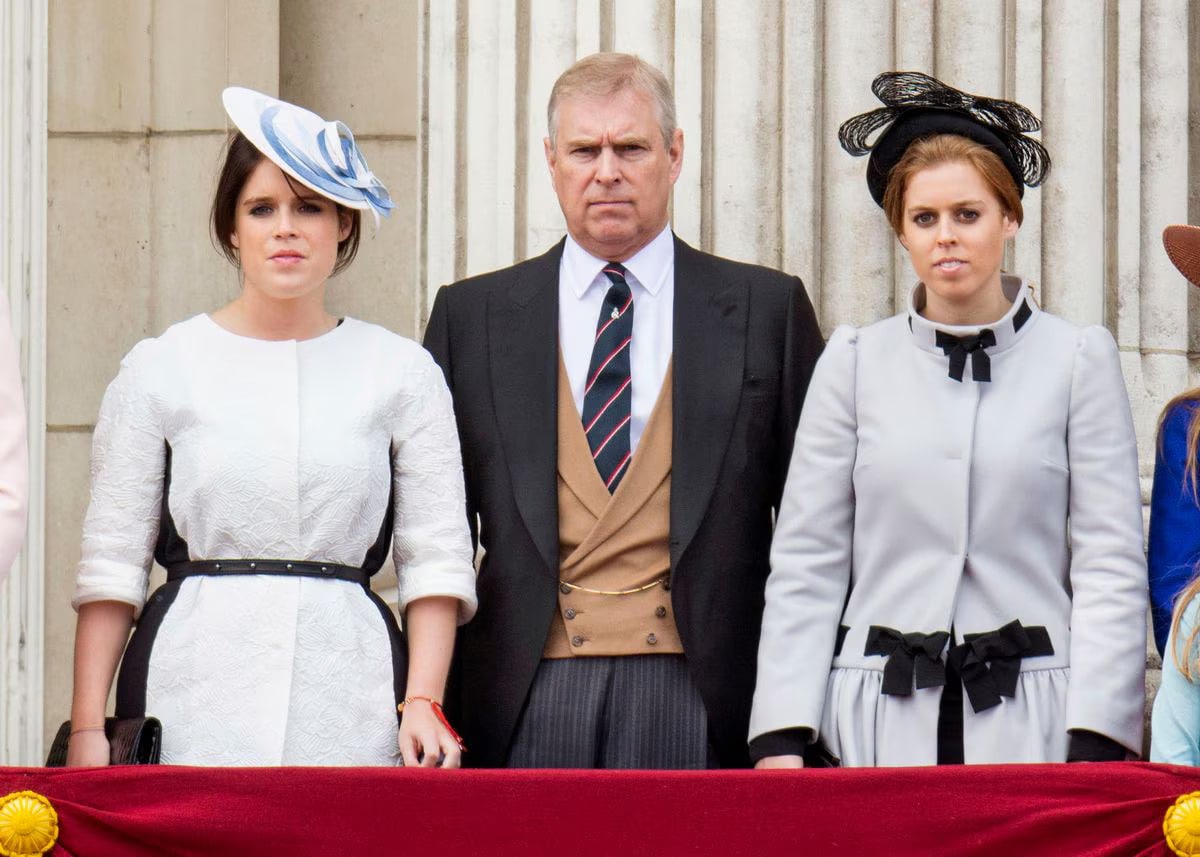
After them is Andrew Mountbatten-Windsor, formerly Prince Andrew, who has now been thrust into the spotlight for all the wrong reasons following his arrest. At 66, his position in the succession is symbolic rather than practical, but it remains a reminder of how the system is based on descent rather than reputation. His daughters, Princess Beatrice and Princess Eugenie, come next, along with their young children—Sienna Mapelli Mozzi, August Brooksbank, and Ernest Brooksbank—who represent the youngest royals in this branch.
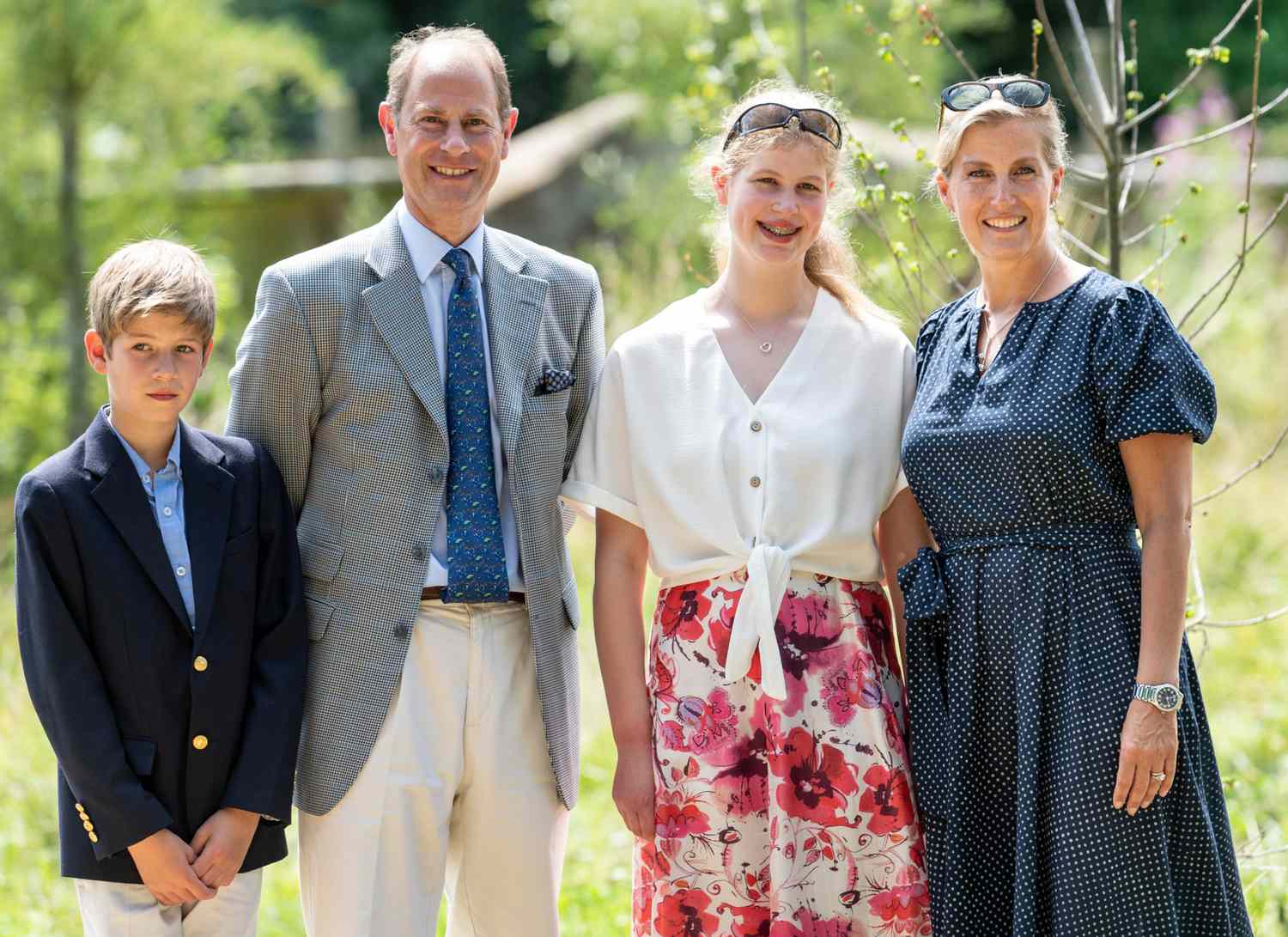
After Andrew’s daughters and their children, the line moves to King Charles III’s youngest brother, Prince Edward, Duke of Edinburgh. Edward has long been regarded as one of the more discreet royals, but his place in succession is secure. His son, James, Earl of Wessex, follows him, then his daughter, Lady Louise Mountbatten-Windsor. Though further down the line, both represent the continuation of the Queen’s youngest son’s legacy.
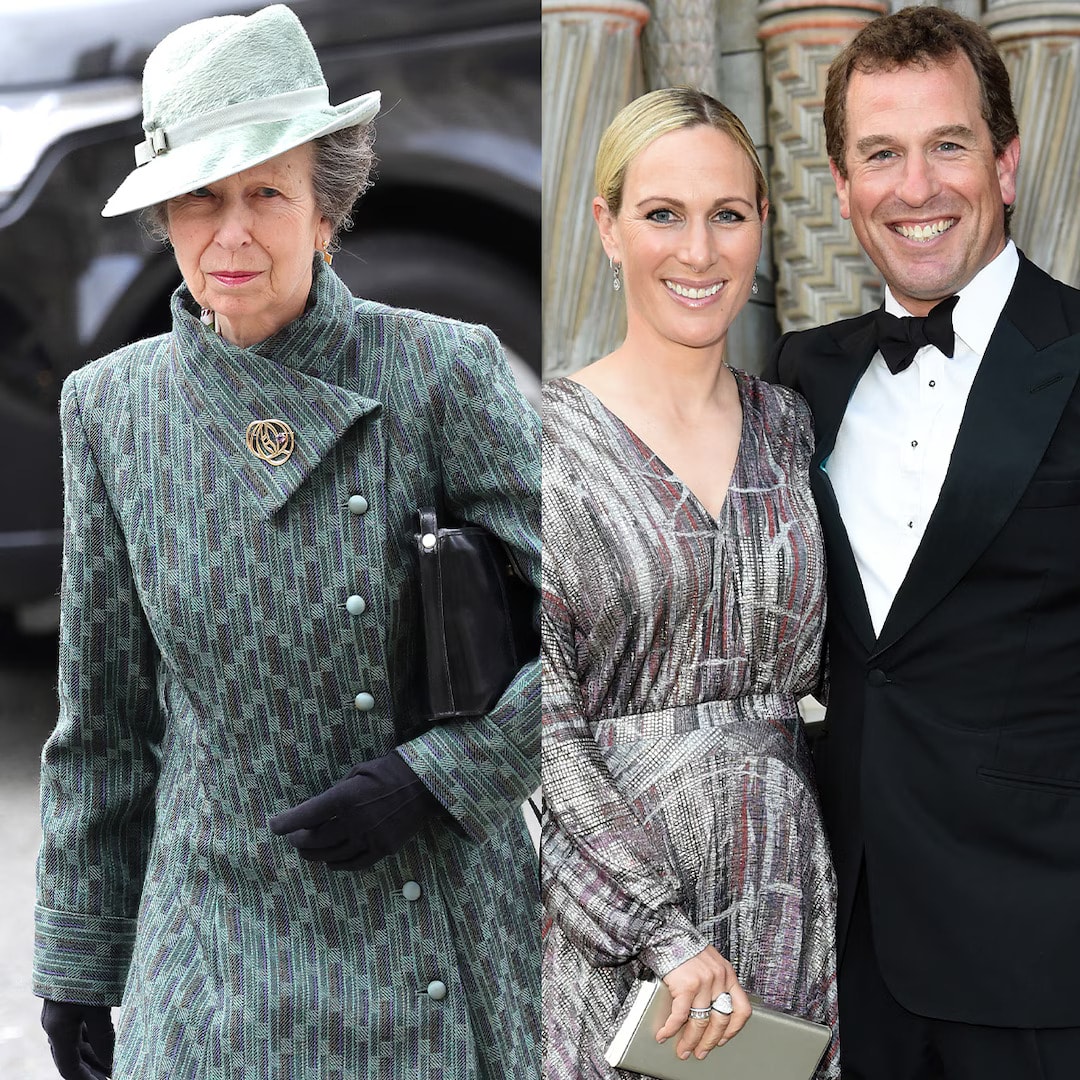
Next comes Princess Anne, the Princess Royal, Charles' sister. Despite her seniority, she is placed after her younger brothers due to the old male-preference primogeniture rules that applied before 2013. Her children, Peter Phillips and Zara Tindall, follow her. Neither holds royal titles, but both remain in the succession. Peter’s daughters, Savannah and Isla Phillips, come next, followed by Zara’s children, Mia, Lena, and Lucas Tindall.
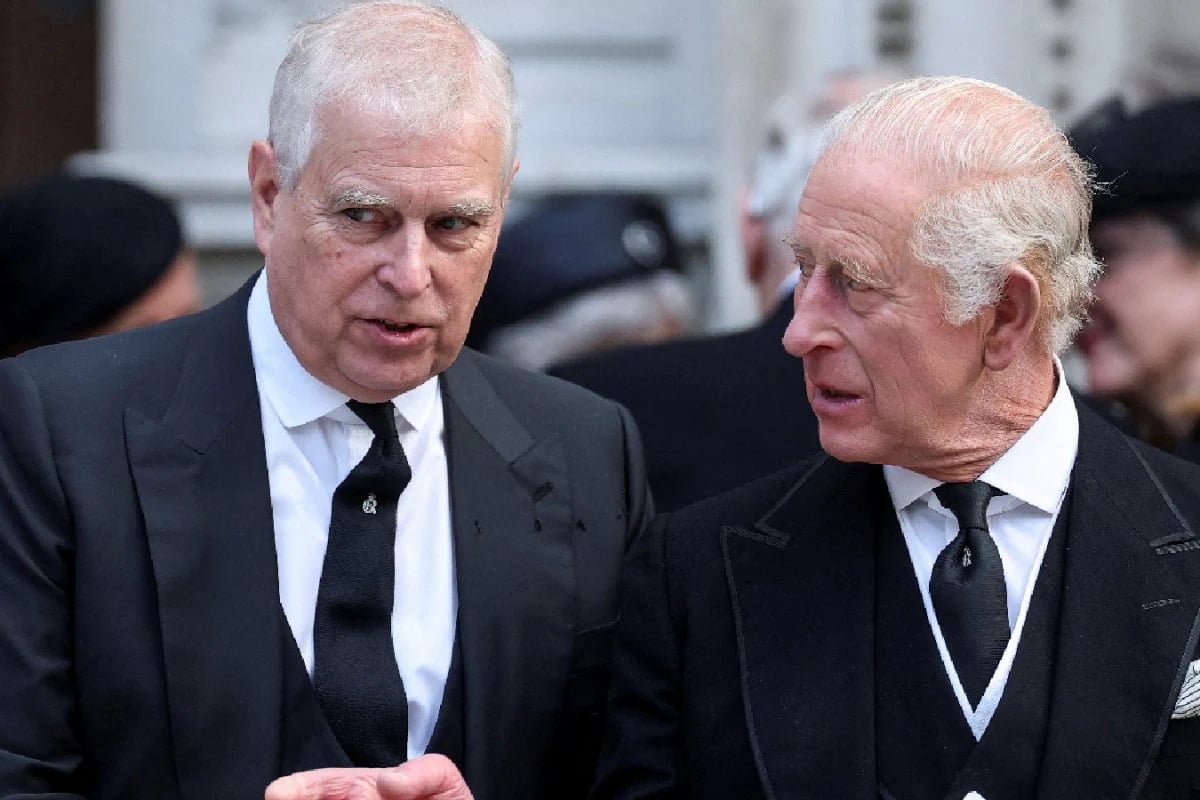
Prince Andrew’s arrest underscores the monarchy’s vulnerability to scandal. Yet the line of succession itself remains stable, anchored in William and his young heirs. The Crown’s future is clearly charted, even as its present faces turbulence.
News Photogallery world Britain’s Line Of Succession: Where Does Andrew Mountbatten-Windsor Stand After His Arrest?