1 hour ago

UPDATED: Sep 12, 2026 20:16 IST
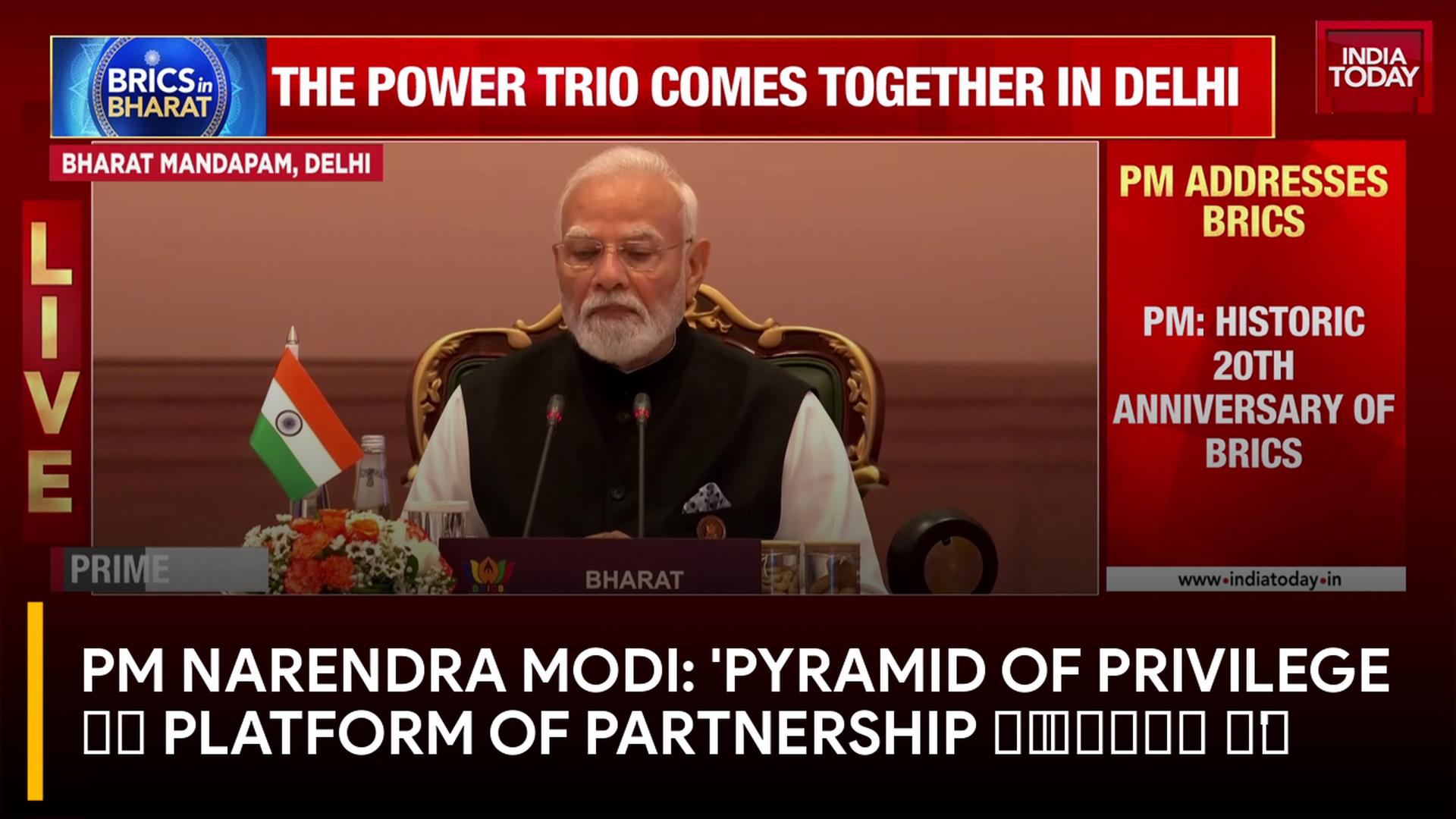
Prime Minister Narendra Modi held a bilateral meeting with Chinese President Xi Jinping on the sidelines of the BRICS Summit 2026. The two leaders welcomed the progress in India-China relations and affirmed taking a strategic, long-term perspective, noting differences should not become disputes. Prime Minister Modi highlighted that ties must be guided by mutual respect, mutual sensitivity, and mutual interest, emphasizing that peace and tranquillity in border areas remain essential for developing bilateral relations. Both sides agreed on resolving the boundary issue fairly and observing existing agreements. Discussions also addressed structural trade imbalances, supply chain issues, market access, and expanding people-to-people exchanges.
Read More
VIDEOS FROM OTHER SECTIONS
LATEST VIDEOS
'Enough Space For India & China To Grow Concurrently': Congress' Manish Tewari On India-China Reset
In an interview with India Today, Manish Tewari, Member of Parliament from Chandigarh and former Union Minister for Information and Broadcasting, analyzed India-China bilateral relations ahead of Chinese President Xi Jinping's visit. Highlighting the fundamental dynamic between the two nations, Tewari remarked, "Two tigers have to live, will have to live in one forest, and two swords will have to coexist in the same scabbard." He stressed that both countries must agree there is sufficient space for concurrent economic growth throughout the remainder of the 21st century. Tewari pointed out that while China resolved land boundary disputes with 12 of its 14 neighbors, the Line of Actual Control dispute remains unresolved due to conflicting perceptions and differing strategic paths since the late 1940s. He identified the unresolved border delineation and a massive annual trade deficit of nearly $100 billion as major obstacles requiring political conviction to resolve.
Modi-Xi Bilateral At BRICS 2026 In New Delhi | PM Modi-Xi Jinping Meeting
Prime Minister Narendra Modi and Chinese President Xi Jinping held bilateral talks in New Delhi on the sidelines of the BRICS Summit, marking the Chinese leader's first visit to India in several years. Opening statements from both leaders underscored opportunities for bilateral cooperation following the adoption of the BRICS Delhi Declaration. High-level discussions between the core Indian diplomatic delegation and Chinese counterparts focused on key issues, including peace and tranquility along the Line of Actual Control (LAC) and addressing the bilateral trade deficit. Experts noted that while border delineation and market access remain central to negotiations, both nations recognize the necessity of strategic coexistence and pragmatic collaboration in the Global South.
Xi Jinping At BRICS: 'In Interest Of Global South For India & China To Maintain Constructive Ties'
Chinese President Xi Jinping addressed Prime Minister Narendra Modi during his first visit to India in nearly a decade, noting that the two leaders have met over twenty times. In his opening remarks, President Xi stated that the Sino-Indian relationship has steadily developed over the years and emphasized that Beijing views these bilateral ties through the lens of strategic importance. He highlighted that China appreciates the economic achievements of both sides and underscored that maintaining a stable, constructive relationship serves the interests of Global South nations. Furthermore, Xi called on both countries to channel their efforts towards fostering high-quality development and to play a proactive role in promoting global peace and stability.
BRICS Summit: Modi-Xi Bilateral | Experts Advise Caution On Hopes Of India-China Ties Reset
A panel of experts analyses Chinese President Xi Jinping's visit to India and the prospects of bilateral ties. Martina, a journalist with Xinhua, describes the visit as 'a very important window of opportunity, a chance that we cannot miss,' highlighting key discussions surrounding border disputes and the trade deficit. Lieutenant General S. L. Narasimhan (Retd.) emphasizes the necessity of rebuilding trust and maintaining stability along the Line of Actual Control (LAC), noting that diplomatic and economic progress hinges directly on border calm. Ambassador Yash Sinha recalls past summits in Ahmedabad and Mahabalipuram, cautioning against false dawns while stressing the importance of tackling market access and non-tariff barriers to resolve trade imbalances. The panel concludes that while expanding economic engagement is critical, India must maintain military readiness and proceed with a step-by-step approach.