1 month ago
Donald Trump rejected Iran's latest proposal for talks while saying Washington was weighing strikes and diplomacy. The impasse has strained ties with allies, unsettled oil markets and kept fears of escalation alive.
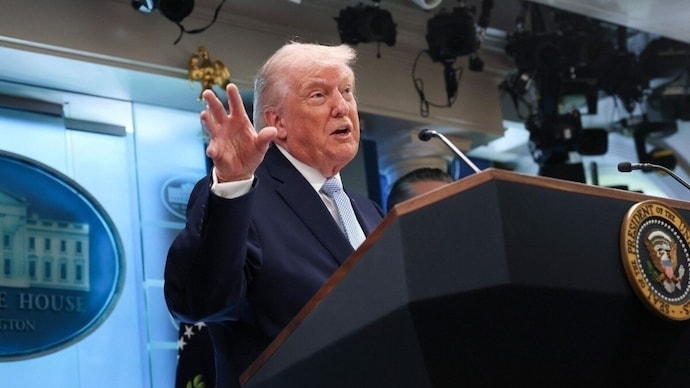
US President Donald Trump on Friday struck a combative yet conflicted tone on the Iran conflict

UPDATED: May 2, 2026 08:52 IST
US President Donald Trump on Friday laid out a stark binary on the Iran conflict, openly weighing a full-scale military strike against a negotiated settlement even as he rejected Tehran’s latest proposal for talks. “Do we want to go and just blast the hell out of them and finish them forever? Or do we want to try and make a deal?” he said, signalling that Washington remains split between escalation and diplomacy as the standoff drags on.
His remarks signal that the deadlock over the two-month-old war is unlikely to ease soon, despite mounting domestic pressure in the United States to bring the conflict to an end.
TRUMP REJECTS IRAN’S OFFER
Speaking at the White House, Trump said he was dissatisfied with the fresh Iranian proposal, describing it as unacceptable. “They want to make a deal, but I’m not satisfied with it,” he said, adding that Iran’s leadership appeared fragmented. “They’re asking for things that I can’t agree to.”
While negotiations have not completely collapsed, with Trump confirming that discussions are continuing over phone channels, there has been no agreement on a follow-up meeting after last month’s brief summit in Islamabad.
Iran, for its part, has signalled conditional openness. Foreign Minister Abbas Araqchi said Tehran remained ready for diplomacy if Washington changed what he called its “excessive approach, threatening rhetoric and provocative actions.” However, he warned that Iran’s armed forces were fully prepared to defend the country against any attack.
RIFT WITH ALLIES DEEPENS
The crisis is also spilling over into Washington’s relations with key allies. In a significant move, the United States announced it would withdraw 5,000 troops from Germany, following tensions with Chancellor Friedrich Merz.
Merz had earlier criticised the US approach, saying Iran was “humiliating” Washington and questioning whether the US had a clear exit strategy. A senior Pentagon official dismissed the remarks as “inappropriate and unhelpful,” saying the president was “rightly reacting” to such criticism.
The troop withdrawal underscores a widening transatlantic divide over how to handle Iran, even as European nations grapple with the economic fallout of the conflict.
STRAIT OF HORMUZ AT CENTRE OF STANDOFF
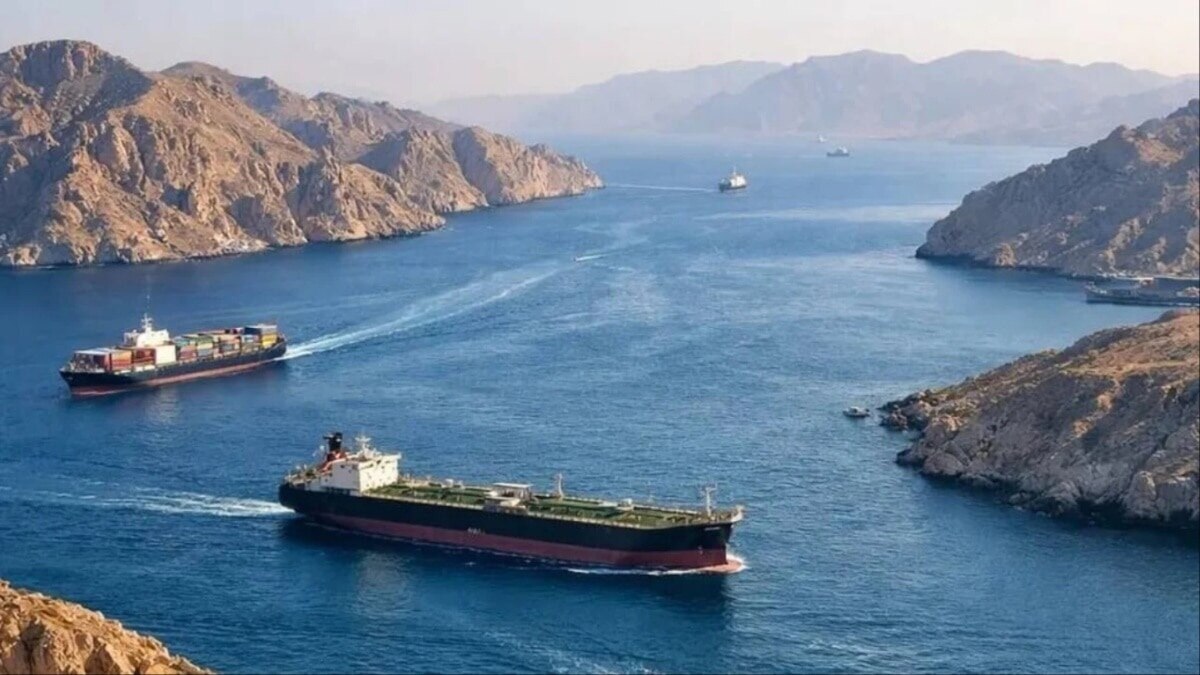
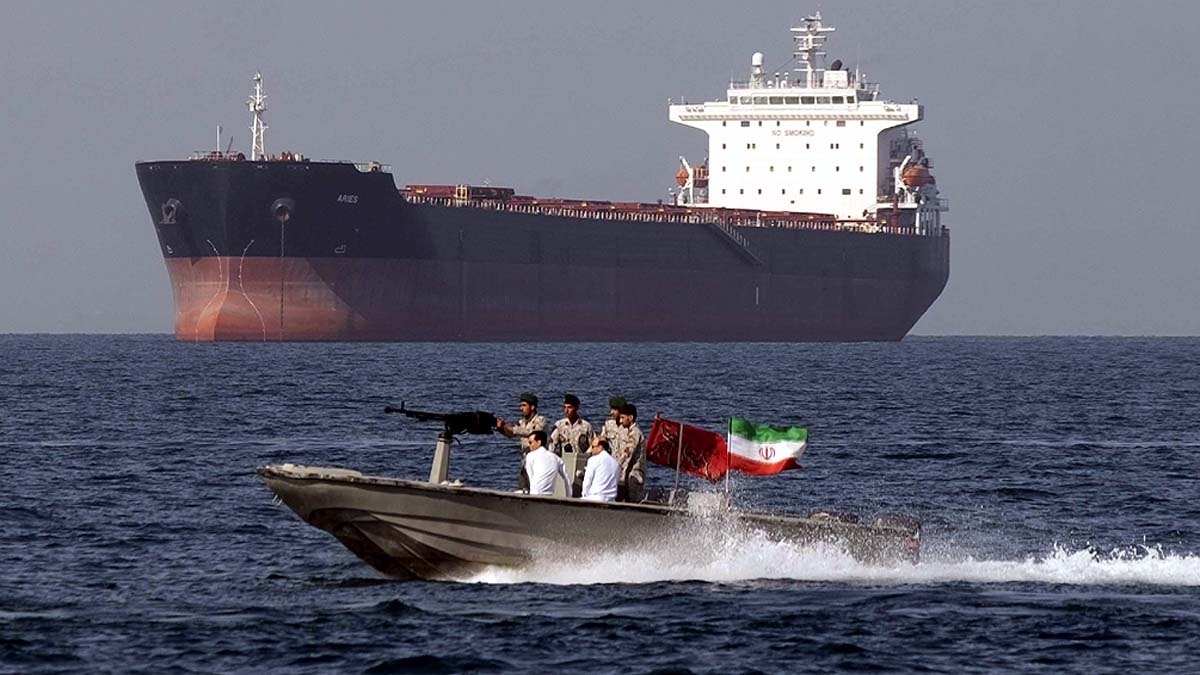
Although active hostilities have remained paused since an April 8 ceasefire, core disputes persist — most notably Iran’s nuclear programme and control over the Strait of Hormuz, through which roughly a fifth of global oil and gas supplies pass.
Iran has effectively restricted access to the strait, while the US Navy has imposed its own blockade targeting Iranian oil exports. According to US military data, dozens of commercial vessels have been stopped as part of enforcement operations.
Trump reiterated that Iran would not be allowed to develop nuclear weapons and said Washington would not end the confrontation prematurely only to face renewed threats “in three years.”
RISK OF ESCALATION
Behind the scenes, however, fears of escalation remain high. Iranian officials have activated air defence systems and are preparing for the possibility of a short but intense US strike, potentially followed by Israeli action, according to sources.
Trump, while keeping military options on the table, indicated some reluctance about immediate escalation. “On a human basis,” he said, he did not prefer a military course of action.
The war, which began with US and Israeli strikes on February 28, has already claimed thousands of lives and disrupted global energy flows. With negotiations stalled, alliances strained and military preparations underway, the path forward remains uncertain — caught between the risk of a wider conflict and the fragile possibility of a negotiated settlement.
- Ends
Published By:
Priyanka Kumari
Published On:
May 2, 2026 08:52 IST
Tune In