1 month ago
Now, US Vice President JD Vance is stepping into a central role in efforts to end the war, a conflict he had initially been wary of entering. According to Axios, he has held multiple calls with Netanyahu, engaged with Gulf allies, and taken part in indirect communications with Iran. He is expected to serve as Washington's top negotiator if formal peace talks take shape.
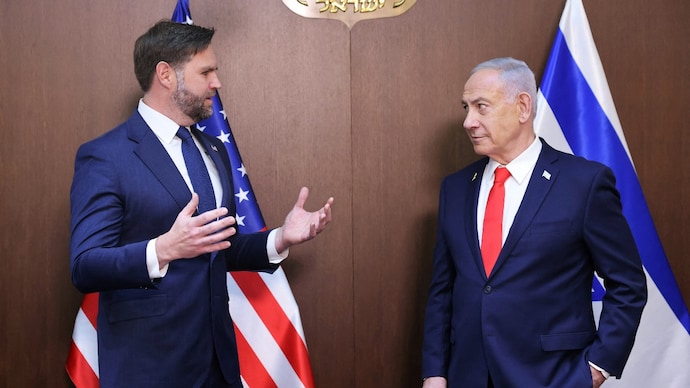
US Vice President JD Vance is widely being believed to be the tope preference for leading peace negotiations with Iran. (Reuters photo)

New Delhi,UPDATED: Mar 27, 2026 23:24 IST
As the US scrambles to steer a path out of a deepening conflict with Iran, fresh details suggest key doubts were raised long before the first strikes were launched. The reported revelations indicate US Vice President JD Vance was initially a little bit sceptical about Israeli Prime Minister Benjamin Netanyahu's pre-war assessment about how the military conflict against Iran would unfold.
"Before the war, Bibi really sold it to the President as being easy, as regime change being a lot likelier than it was. And the VP was clear-eyed about some of those statements," a US source told news outlet Axios.
VANCE AS KEY NEGOTIATOR
Now, Vance is stepping into a central role in efforts to end the war, a conflict he had initially been wary of entering. According to Axios, he has held multiple calls with Netanyahu, engaged with Gulf allies, and taken part in indirect communications with Iran.
He is expected to serve as Washington’s top negotiator if formal peace talks take shape. US President Donald Trump has said his country is "in negotiations right now" and that the participants include his special envoy, Steve Witkoff, son-in-law Jared Kushner, Secretary of State Marco Rubio and Vance.
A senior administration official underscored the VP's importance: "If the Iranians can’t strike a deal with Vance, they don't get a deal."
TENSIONS BEHIND CLOSED DOORS
The behind-the-scenes friction reportedly surfaced during a tense call between Vance and Netanyahu earlier this week, where the US Vice President challenged optimistic Israeli projections, particularly the idea that the conflict could quickly trigger regime change in Tehran.
US and Israeli sources cited by Axios said those expectations have not materialised, with the war now expected to continue for several more weeks.
PUSHBACK AND POLITICAL INTRIGUE
Vance’s stance has not gone unnoticed. His advisers believe some in Israel are attempting to sideline him, viewing his approach as less hawkish. Israeli officials, however, have denied such claims.
There have also been disputes over media reports suggesting tensions between the two leaders, with both sides pushing back against claims of heated exchanges.
While diplomatic channels remain active — with mediators from Pakistan, Egypt and Turkey trying to arrange talks — the U.S. is also weighing the possibility of military escalation if negotiations fail. Iranian officials have indicated they are still awaiting clearance from top leadership before engaging directly.
CAUTIOUS VOICE IN HIGH-STAKES MOMENT
An Iraq War veteran, Vance has consistently warned against repeating past mistakes while balancing the need for decisive action.
As one source close to him told Axios, his role remains tied to the president’s direction: "He has his own views, but he is going to work according to Trump instructions."
- Ends
(With inputs from agencies)
Published On:
Mar 27, 2026 23:24 IST
Tune In