1 hour ago
Last Updated:January 19, 2026, 13:56 IST
"The data demonstrates that most incidents involving minority victims were not driven by communal hostility, but by broader criminal and social factors," it said

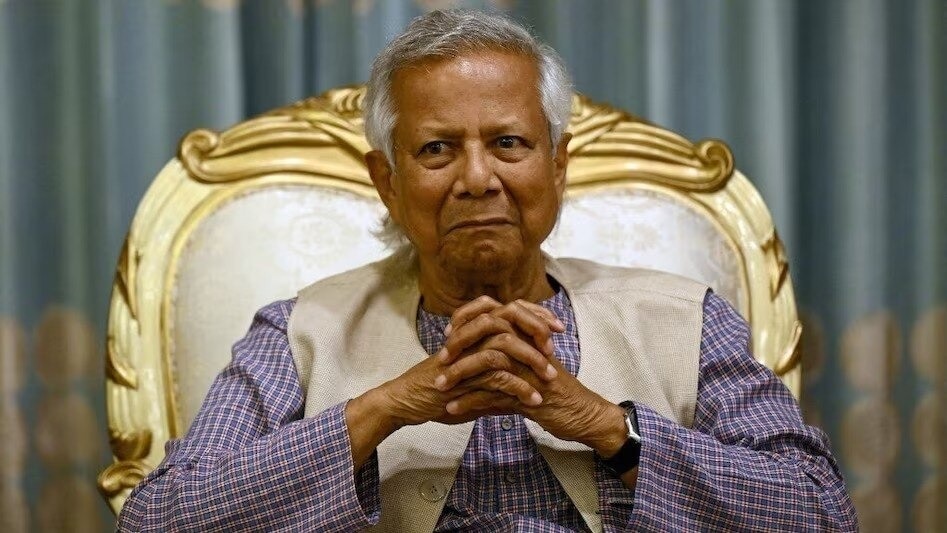
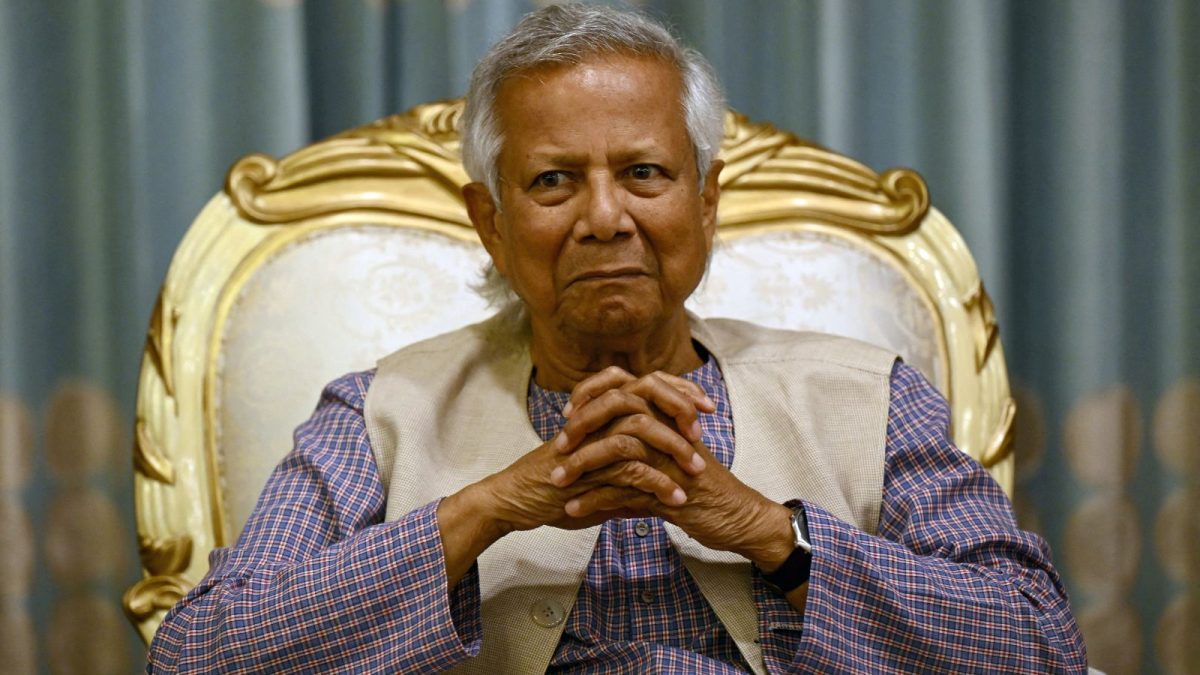
Muhammad Yunus (AFP)
Bangladesh reported 645 incidents involving members of minority communities from January to December 2025, according to official review of police records shared by the chief adviser of interim Bangladesh government, Mohammad Yunus, on social media. The incidents were compiled from verified First Information Reports, General Diaries, charge sheets, and investigation updates nationwide.
“While every incident is a matter of concern, the data presents a clear and evidence-based picture: the overwhelming majority of cases were criminal in nature rather than communal, underscoring both the complexity of law-and-order challenges and the importance of grounding public discussion in facts rather than fear or misinformation," stated the report shared on the official X handle of the chief adviser.
’71 incidents had communal elements’
The findings show that 71 incidents were identified as having communal elements, while 574 incidents were assessed as non-communal in nature. Communal incidents primarily involved vandalism or desecration of religious sites and idols, along with a small number of other offenses. In contrast, the majority of incidents affecting minority individuals or properties arose from criminal activity unrelated to religion, including neighborhood disputes, land conflicts, political rivalries, theft, sexual violence, and cases linked to prior personal enmity, said the report.
On Incidents Affecting Minority Communities and the Broader Law and Order Situation in Bangladesh (January–December 2025)DHAKA, January 19: Bangladesh remains committed to confronting crime with transparency, accuracy, and resolve. A yearlong review of official police records…
— Chief Adviser of the Government of Bangladesh (@ChiefAdviserGoB) January 19, 2026
“This distinction is important. While all crimes are serious and demand accountability, the data demonstrates that most incidents involving minority victims were not driven by communal hostility, but by broader criminal and social factors that affect citizens across religious and ethnic lines. Accurate classification helps prevent misinformation and supports more effective law-enforcement responses."
The report also documents significant police engagement. Hundreds of cases were formally registered, arrests were made in many incidents, and investigations are ongoing in others. This reflects an institutional commitment to addressing crime and maintaining public order, particularly in sensitive cases involving religious sites or communal concerns.
Law and order situation
At the national level, Bangladesh continues to face serious law-and-order challenges. Each year, an average of approximately 3,000-3,500 people lose their lives to violent crime nationwide. This is not a number to be proud of. Every life lost is a tragedy, and no society should be complacent in the face of such statistics. At the same time, these figures must be understood in context. Violent crime affects all communities, cutting across religion, ethnicity, and geography, said the report.
Importantly, available indicators show that law and order in Bangladesh is improving steadily. Enhanced policing, better intelligence coordination, faster response times, and increased accountability have contributed to gradual but meaningful progress. The government and law-enforcement agencies remain committed to reducing crime further and ensuring equal protection under the law.
“Bangladesh is a country of Muslims, Hindus, Buddhists, Christians, and people of other beliefs, all of whom are citizens with equal rights. Ensuring safety and justice for every community is not only a constitutional obligation but a moral one. Protecting places of worship, preventing incitement, responding quickly to criminal acts, and distinguishing facts from rumor are essential to preserving social harmony," it said.
This report is presented in the spirit of transparency and accountability. It does not deny challenges, nor does it claim perfection. Rather, it seeks to provide a factual, evidence-based picture of crime trends affecting minority communities within the broader national context. Constructive scrutiny, responsible reporting, and continued institutional reform are all necessary components of progress, it said.
First Published:
January 19, 2026, 13:55 IST
News world ‘Bangladesh Saw 645 Incidents Involving Minorities In 2025, 71 Were Communal’: Yunus Shares Review
Disclaimer: Comments reflect users’ views, not News18’s. Please keep discussions respectful and constructive. Abusive, defamatory, or illegal comments will be removed. News18 may disable any comment at its discretion. By posting, you agree to our Terms of Use and Privacy Policy.
Read More