1 month ago
Australia's online safety watchdog has taken Telegram to court over alleged failures to remove extremist content linked to major terror attacks. The case will test the country's online safety law and the duty platforms owe after alerts.

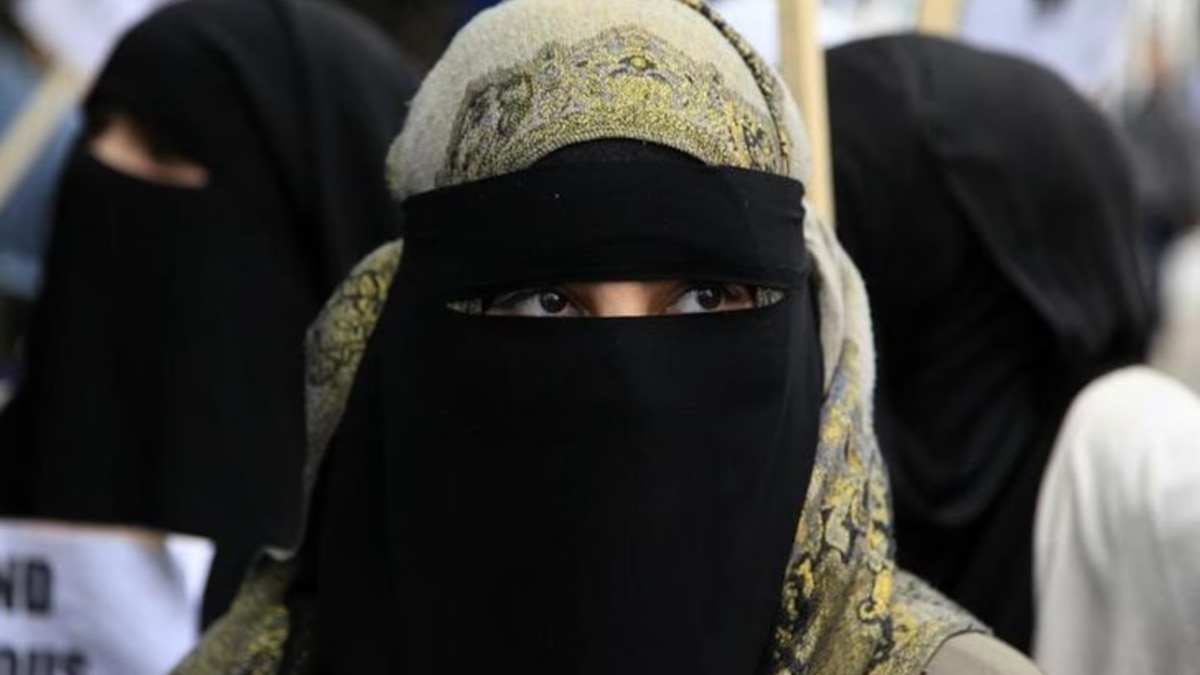
Stock photo used for illustration

Melbourne,UPDATED: Jul 30, 2026 12:02 IST
Australia’s online safety watchdog has filed legal action against messaging app Telegram, alleging that the platform failed to remove extremist content, including videos linked to the white supremacist mass shootings in Buffalo in the United States and Christchurch in New Zealand, as well as Islamic State group beheadings.
The civil case, filed in the Australian Federal Court, is being seen as a test of Australia’s 2021 law that requires technology platforms to work to keep illegal and pro-terror material off their networks. Telegram, which says it has 1 billion users worldwide, faces a fine of up to 54.6 million Australian dollars if convicted. The company denied the allegations, saying: "We reject these allegations and will contest them in court."
eSafety Commissioner Julie Inman Grant said the case related to material shared in Telegram group chats of up to 200 people and in channels with unlimited reach. "This case concerns content linked to some of the most notorious acts of known extremist violence in recent history, including material associated with the Christchurch and Buffalo terror attacks," she said in a statement. "We allege that this content remained accessible on the service long after Telegram had been put on notice," she said.
The crimes referred to by Inman Grant were ideologically driven massacres carried out for online audiences, and regulators remain concerned that videos and so-called manifestos from such attacks can radicalise others. In Buffalo in 2022, an American white supremacist livestreamed part of a supermarket shooting on Twitch in which he killed 10 Black people. He cited among his motivations the 2019 Christchurch mosque attacks, in which an Australian white supremacist livestreamed on Facebook the shooting at two mosques and killed 51 Muslim worshippers. According to the Australian watchdog’s claim, Telegram channels created after these and other hate-fuelled crimes were used by people who endorsed the killers and shared videos and other material from the massacres. The regulator said the unlimited broadcast size of Telegram channels meant the app must take responsibility for removing harmful content.
Telegram said its "extensive anti-terrorism efforts are well-documented" and linked to published figures on blocked content and channels. According to those figures, more than 150,000 "terrorist-related communities" have been blocked from the platform this year. Inman Grant said eSafety began urging Telegram in March 2024 to follow its own policies, but the platform had been "non-responsive" for months. She said that changed after France arrested Telegram founder and chief executive Pavel Durov in August 2024 over allegations that the platform was being used for illegal activity, including drug trafficking and the distribution of child sexual abuse images. He was released after four days of questioning on bail of 5 million euros. Inman Grant said Telegram had "become more compliant initially with us and with other regulators after France took action against the company" but added: "They’ve still kept a permissive hosting environment for terrorist content." She said the Australian case also involved IS beheadings and other "horrific material used for propaganda and for radicalization" and added, "When platforms are alerted to terrorist content, they must act."
On Wednesday, Russia’s Federal Security Service accused Durov of aiding what it called terrorist activities and said it was adding his name to international wanted lists. Telegram said it remained committed to protecting user privacy and human rights such as freedom of speech and assembly, and said it had played a prominent role in pro-democracy movements in Iran, Russia, Belarus, Myanmar and Hong Kong. The case in Australia now centres on whether Telegram did enough to act on extremist material after being alerted to it.
With PTI Inputs
- Ends
Published By:
India Today Web Desk
Published On:
Jul 30, 2026 12:02 IST