1 month ago
Last Updated:February 03, 2026, 02:40 IST
India faces lower duties than Pakistan, Bangladesh and Southeast Asian manufacturing hubs after US trade deal.

Garment workers stitch shirts at a textile factory in Noida. Indian textile exporters now enjoy a built-in price advantage over almost all major rivals following the trade deal announcement. (IMAGE: REUTERS)
India has emerged with a more favourable tariff rate than most of its South Asian neighbours and key export competitors after the United States agreed to cut duties on Indian goods as part of the new trade deal.
With a revised tariff rate of 18 per cent, India now enjoys an advantage over Pakistan, Bangladesh, Sri Lanka and several Southeast Asian export-driven economies, giving Indian exporters a competitive position in global markets.
By comparison, Bangladesh and Sri Lanka continue to face tariffs of 20 per cent on their exports to the US, while Pakistan is levied 19 per cent. Among Southeast Asian economies, Vietnam is subject to a 20 per cent tariff, and Indonesia, Malaysia, Thailand and the Philippines all face duties of 19 per cent.
The revised tariff structure places India at an advantage over several competing export economies, with Indian goods now facing an 18 per cent tariff compared to 19 per cent for Indonesia, 20 per cent for Vietnam and Bangladesh, and a much higher 34 per cent for China.
How The Deal Took Shape
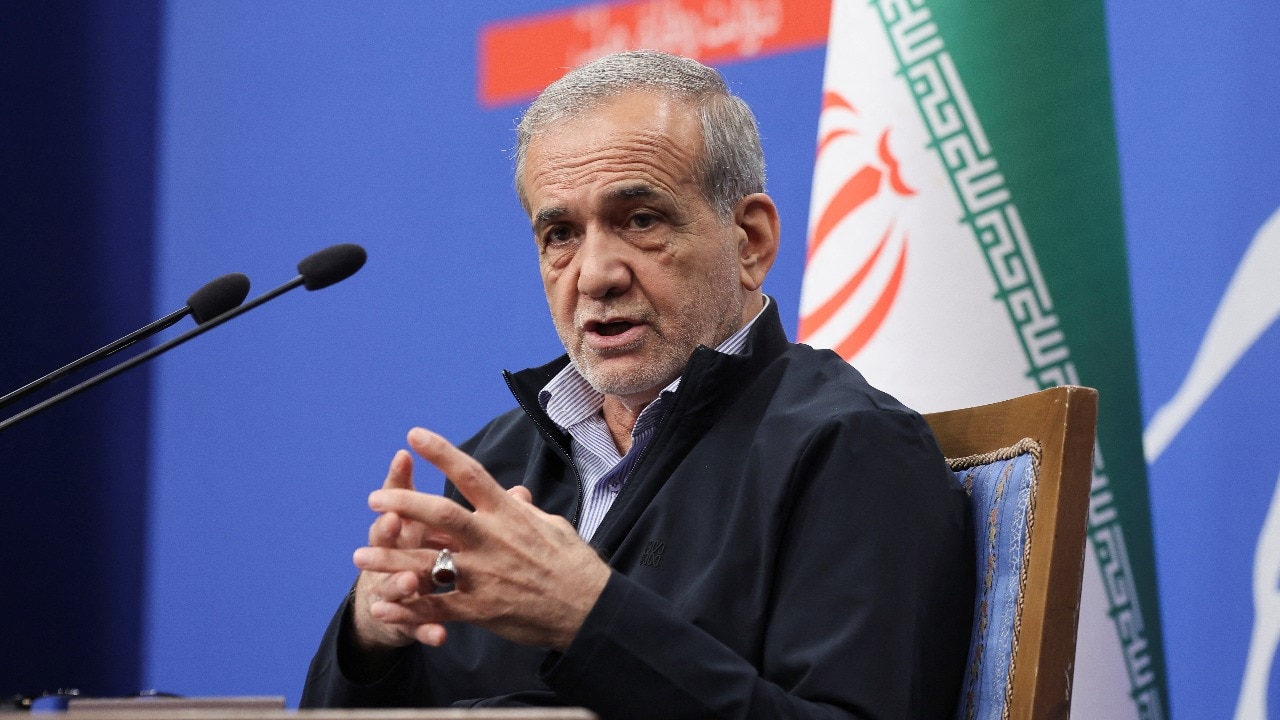
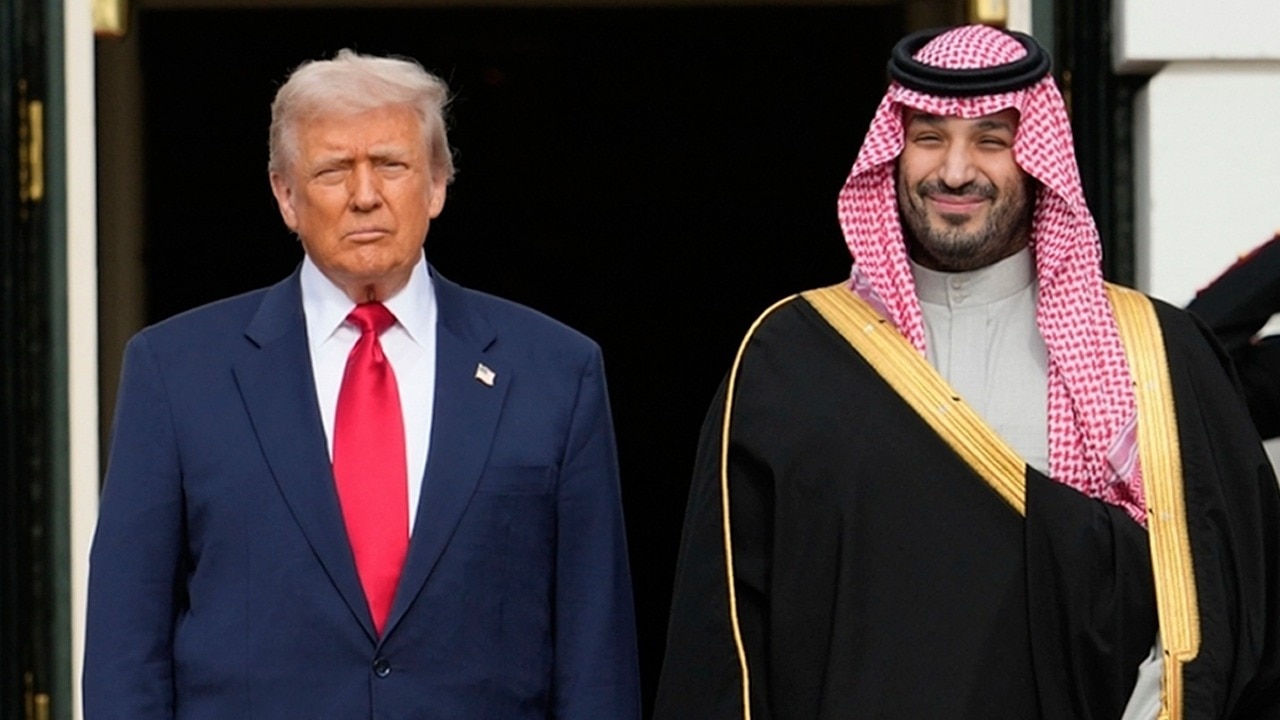
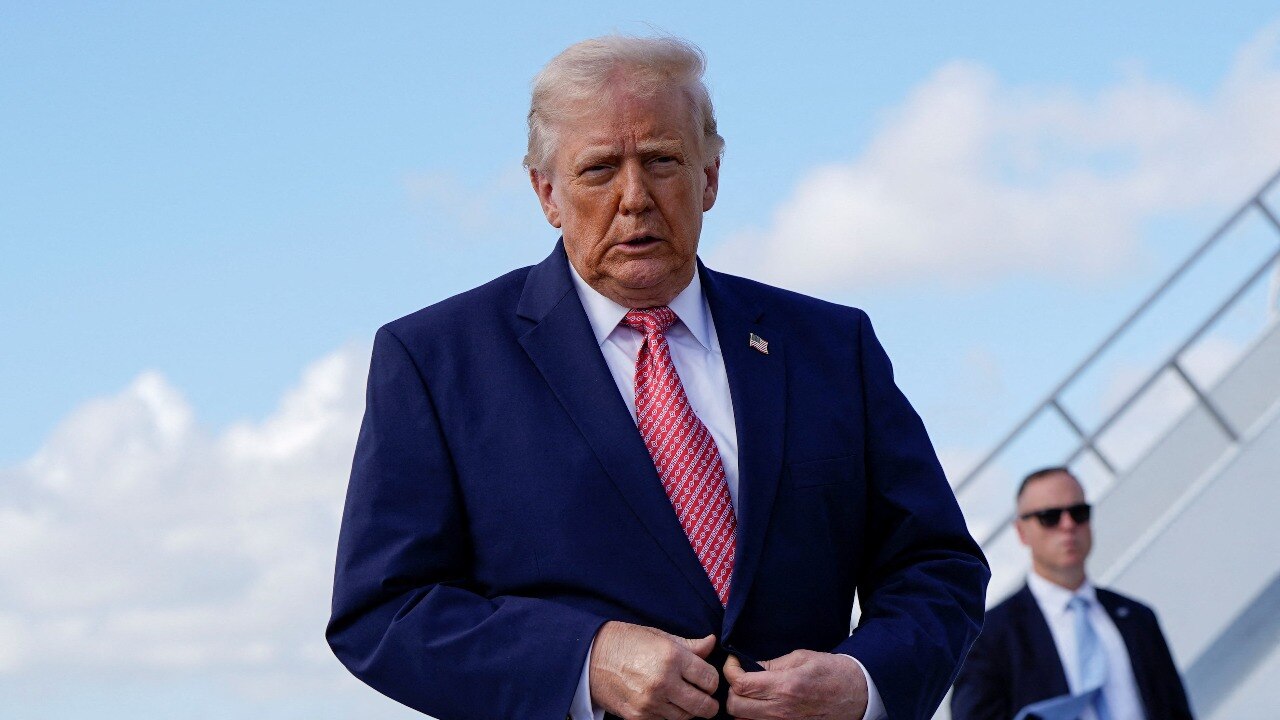
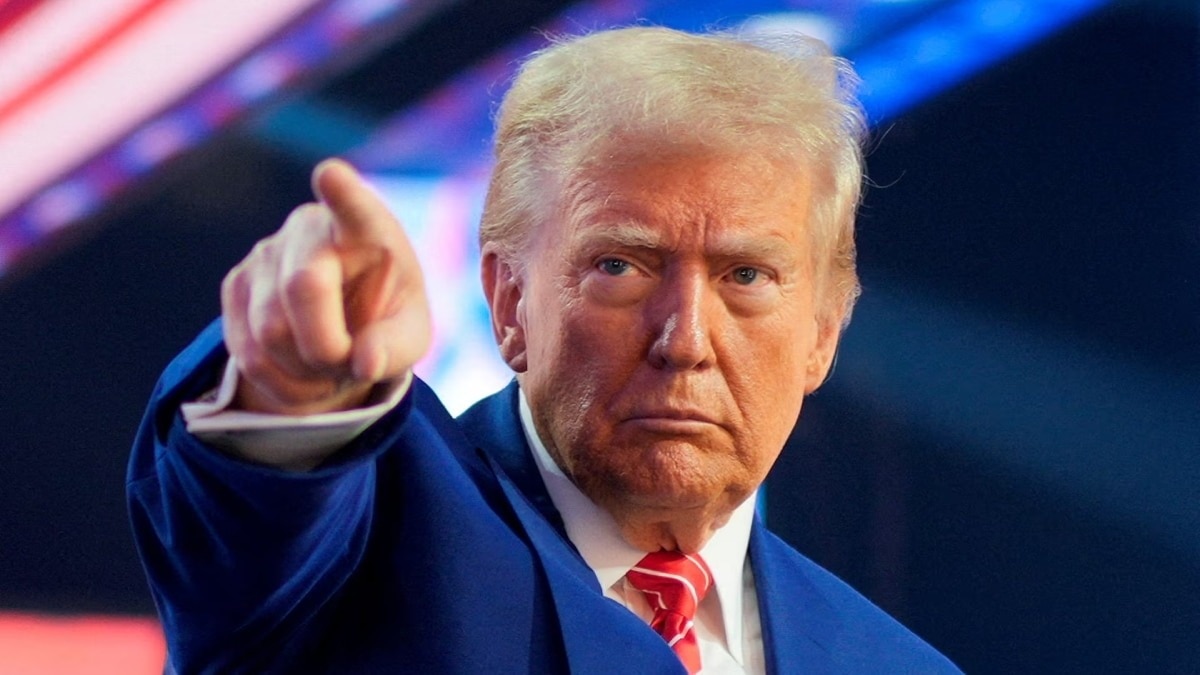
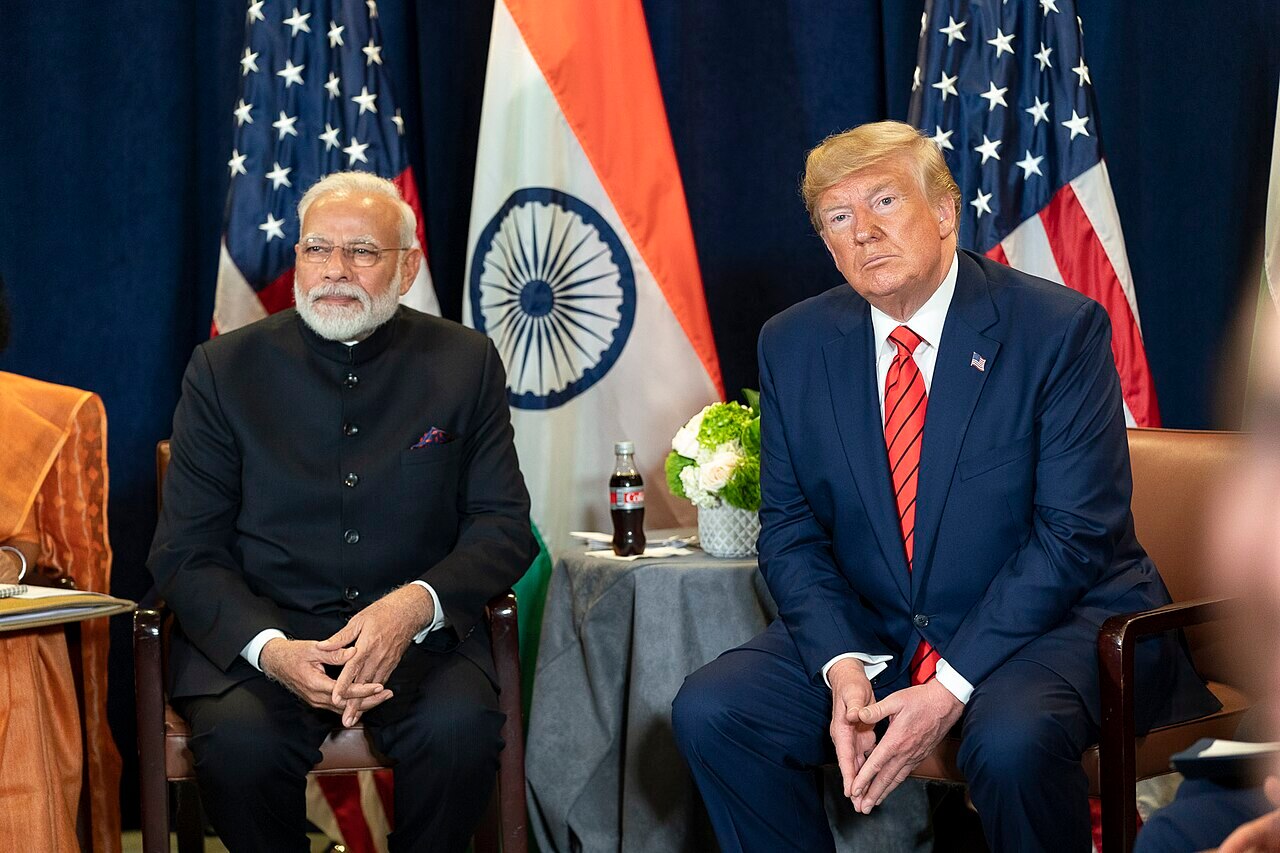
The tariff reduction followed a phone conversation between US President Donald Trump and Prime Minister Narendra Modi on February 2, after which Trump announced that Washington would lower duties on Indian goods.
“Delighted that Made in India products will now have a reduced tariff of 18%. Big thanks to President Trump on behalf of the 1.4 billion people of India for this wonderful announcement," PM Modi wrote on social media platform X after the call.
| Table 1: India vs South Asian Neighbours | |
| Country | US Tariff Rate |
| 🇮🇳 India | 18% |
| 🇵🇰 Pakistan | 19% |
| 🇧🇩 Bangladesh | 20% |
| 🇱🇰 Sri Lanka | 20% |
| 🇦🇫 Afghanistan | 15% |
In a post on Truth Social, Trump said the United States would reduce the reciprocal tariff on Indian goods from 25 per cent to 18 per cent with immediate effect. He also claimed that India would cut its own tariffs and non-tariff barriers on American products to “zero."
“It was an Honor to speak with Prime Minister Modi… Out of friendship and respect for Prime Minister Modi, and as per his request, we agreed to a Trade Deal between the United States and India," Trump wrote.
He further claimed that India had agreed to reduce purchases of Russian oil and buy more energy from the United States and potentially from Venezuela.
From One Of The Highest To Among The Lowest
Until this agreement, India was among the highest-tariffed major economies in the world. In August last year, Trump had imposed a 50 per cent tariff on Indian imports — including a 25 per cent reciprocal duty and an additional 25 per cent levy linked to India’s continued purchase of Russian crude oil. Brazil faced a similar 50 per cent tariff.
China Comparison
India’s improved position becomes significant when compared with China. Chinese exports to the US currently face a tariff rate of around 34 per cent — nearly double India’s revised rate of 18 per cent.
Edge Over Export Competitors

Among South Asian economies, India now sits below Bangladesh and Sri Lanka in tariff exposure and only marginally above Afghanistan, which faces a 15 per cent tariff but has a far smaller export base and limited manufacturing capacity.
| Table 2: India vs Major Competing Export Economies | |
| Country | US Tariff Rate |
| 🇮🇳 India | 18% |
| 🇮🇩 Indonesia | 19% |
| 🇻🇳 Vietnam | 20% |
| 🇧🇩 Bangladesh | 20% |
| 🇨🇳 China | 34% |
Pakistan faces a 19 per cent tariff. The gap widens further when compared with Southeast Asia’s export-heavy economies. Vietnam, a major rival in electronics, garments and footwear, faces a 20 per cent tariff, while Indonesia, Malaysia and Thailand are all at 19 per cent.
Global Positioning
Globally, India’s new tariff compares favourably with several large exporting nations.
Brazil continues to face a 50 per cent tariff, Myanmar and Laos 40 per cent, South Africa 30 per cent and Mexico 25 per cent. Even developed economies such as Canada (35 per cent) and Switzerland (39 per cent) face significantly higher tariffs than India.
Only a limited group of economies currently enjoy lower tariffs than India. These include the United Kingdom at 10 per cent, and countries such as Japan, South Korea and members of the European Union, which face tariffs of around 15 per cent under earlier trade arrangements with Washington.
Handpicked stories, in your inbox
A newsletter with the best of our journalism
First Published:
February 03, 2026, 02:40 IST
News business With 18% Tariff, India Gains Edge Over Subcontinent Neighbours And Export Rivals
Disclaimer: Comments reflect users’ views, not News18’s. Please keep discussions respectful and constructive. Abusive, defamatory, or illegal comments will be removed. News18 may disable any comment at its discretion. By posting, you agree to our Terms of Use and Privacy Policy.
Read More