1 hour ago
Last Updated:March 04, 2026, 14:55 IST
Ayatollah Ali Khamenei had the "final say" on all major state matters, including foreign policy, the nuclear program, and the judiciary. Iran's Supreme Leader's powers explained


Ayatollah Ali Khamenei was assassinated on February 28. (AFP File)
While Ayatollah Ali Khamenei held absolute authority as Iran’s Supreme Leader, experts and news reports suggest his rule was not a simple “one-man show" but rather a complex balancing act of institutional and military power.
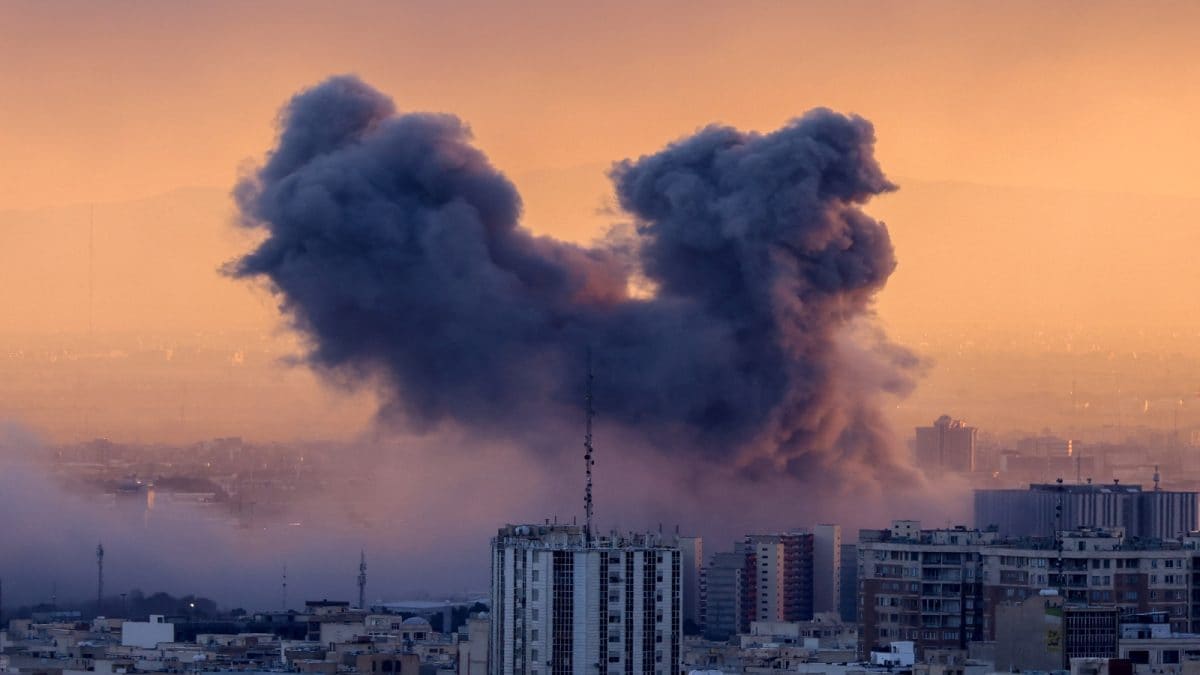
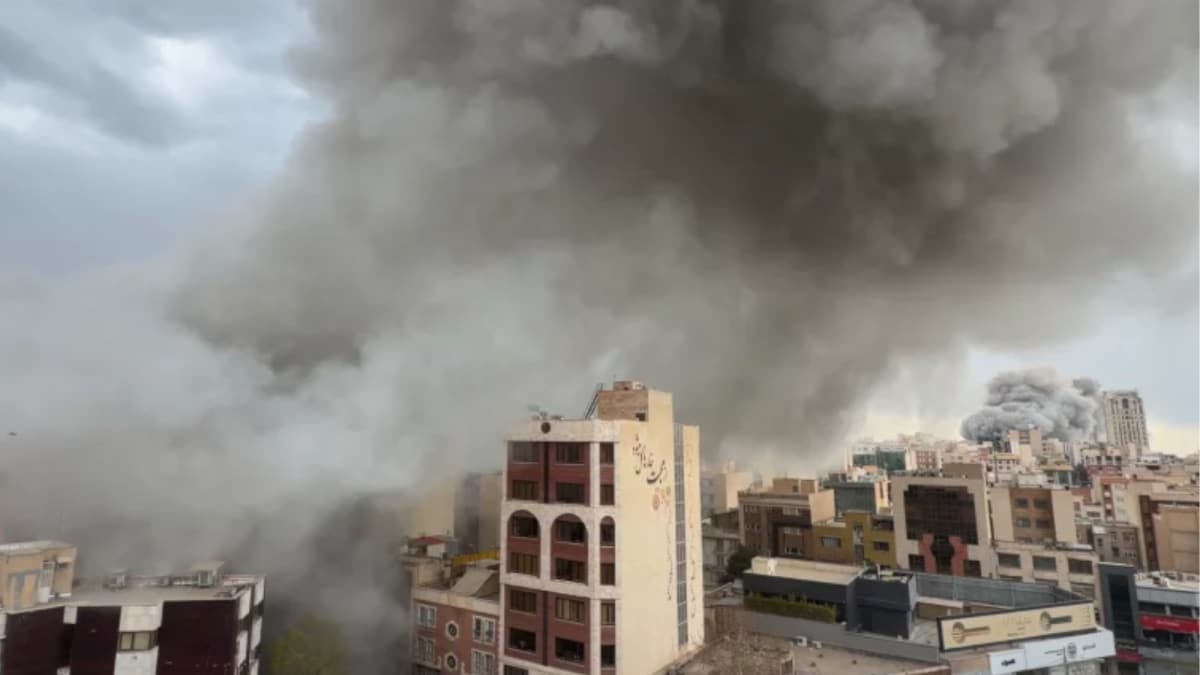
Khamenei was assassinated on February 28 in joint U.S.-Israeli air strikes on Tehran. Following his death, several key aspects of his governance have come into focus.
COMMANDER-IN-CHIEF OF ALL ARMED FORCES
In the Iranian military structure, the Supreme Leader serves as the Commander-in-Chief of all armed forces. This means he historically headed the IRGC, Artesh, and Basij simultaneously.
Artesh (Regular Army): The traditional military responsible for national defense, protecting Iran’s land, airspace, and waters. It includes Ground Forces, Air Force, Navy, and Air Defense. It is generally considered more professional and less involved in internal politics than the IRGC.
ALSO READ | Why Iranian Women Celebrated Ayatollah Khamenei’s Death: Hijab To Marriage At 13 Or Even 9 Explained
IRGC (Islamic Revolutionary Guard Corps): An ideological force tasked with safeguarding the Islamic system and the regime itself. It is often more powerful than the Artesh, controlling Iran’s ballistic missile program and its own air, land, and sea wings. It also manages the Quds Force, which handles operations outside of Iran.
Basij (The Volunteer Militia): A paramilitary volunteer network active inside the country. It is technically a branch of the IRGC. In peacetime, it serves as “morality police" and maintains social control; in times of unrest, it is the primary tool used to crush domestic protests. It is famously known for its “thug on motorbikes" tactics during crowd suppression.
COLLECTIVE GOVERNANCE?
Iran’s system includes various bodies that provided a facade of collective governance while remaining under his influence:
The Assembly of Experts: Officially responsible for electing and overseeing the Supreme Leader.
Advisory Councils: Close aides and a “council" of senior officials were often involved in daily administration, leading some experts to suggest a collective body may have already been running the country during his later years of ill health.
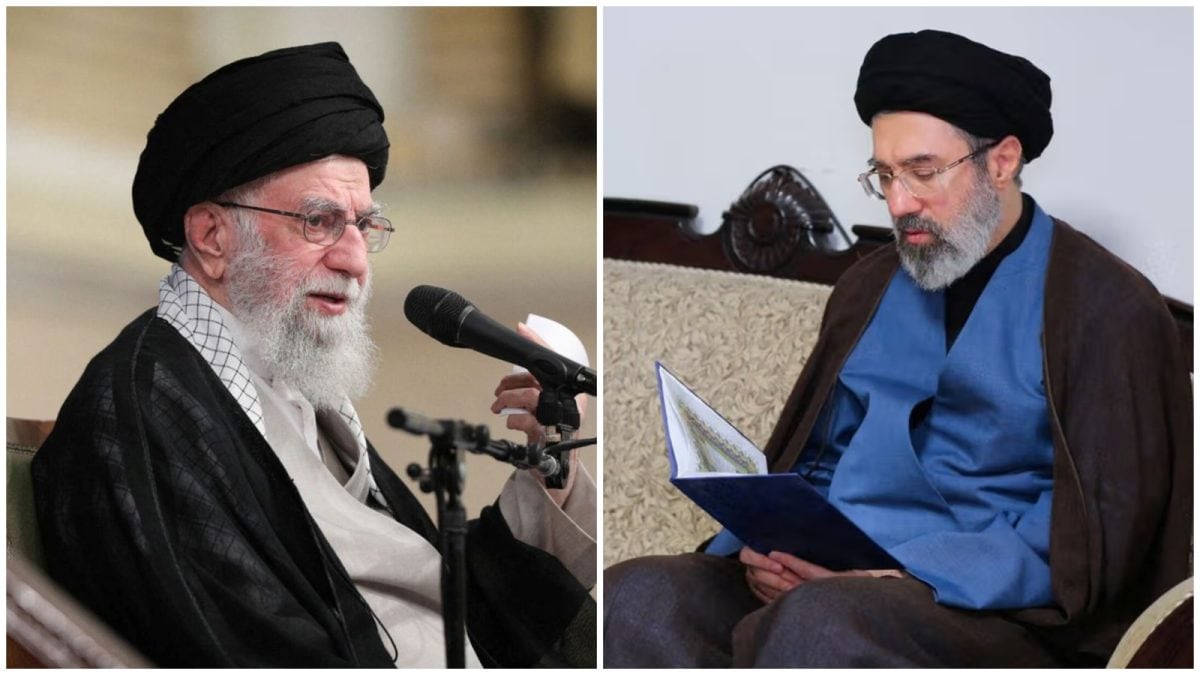
Iran’s Assembly of Experts has reportedly elected Mojtaba Khamenei, son of the late Supreme Leader Ayatollah Ali Khamenei, as the country’s new supreme leader. Reports indicate the decision came under pressure from the Islamic Revolutionary Guard Corps (IRGC) amid ongoing US-Israel strikes.
KHAMENEI’S WORD WAS FINAL
Khamenei held the “final say" on all major state matters, including foreign policy, the nuclear program, and the judiciary. He frequently sidelined dissidents and directly controlled the country’s most powerful institutions.
His power was deeply intertwined with the Islamic Revolutionary Guard Corps (IRGC). Rather than ruling alone, he acted as a “brutal balancer" between different hardline factions.
Analysts note that the IRGC provided the military and economic muscle that sustained his rule. Without his stabilising presence, it is expected the IRGC will emerge as the decisive power brokers, potentially reducing any future leader to a figurehead.
With Agency Inputs
First Published:
March 04, 2026, 14:55 IST
News explainers Ayatollah Ali Khamenei Ran One-Man Show In Iran? The Supreme Leader’s Power, Control Explained
Disclaimer: Comments reflect users’ views, not News18’s. Please keep discussions respectful and constructive. Abusive, defamatory, or illegal comments will be removed. News18 may disable any comment at its discretion. By posting, you agree to our Terms of Use and Privacy Policy.
Read More