1 month ago
Last Updated:February 07, 2026, 10:53 IST
On the issue of buying Russian oil, government sources told CNN-News18 that India will stick to a “people-first approach” & continue buying oil from markets giving the best deal


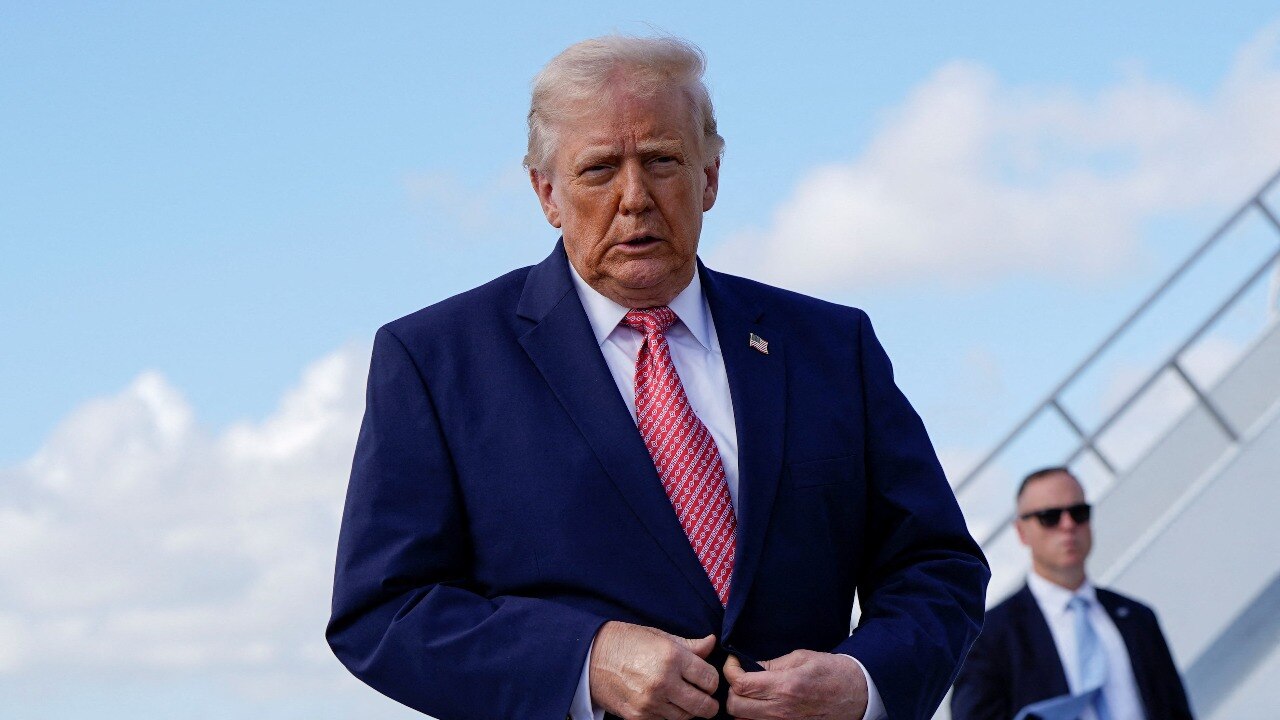
On Monday, when Trump announced that US and India had reached a trade deal, he categorically said India would stop buying Russian oil. (PTI)
As India and the United States announced an interim trade framework on Saturday, the question on everyone’s minds was the same—will India now stop buying Russian oil as claimed by US President Donald Trump?
A deep dive into the official joint statement on “interim framework", which was released by New Delhi and Washington early on Saturday, does not mention Russia. However, a separate executive order issued by the White House does so, even though India has refrained from making an official statement on the issue.
The executive order titled “Modifying duties to address threats to the United States by the government of the Russian Federation", released by the White House, specifically mentioned that the US had lifted the 25 per cent tariff it had imposed on Indian goods as a penalty for continuing to buy Russian oil amid the Russia-Ukraine war.
What this means is that the punitive tariff came down to zero from 25 per cent, while the reciprocal tariff rate was slashed from 25 per cent to 18 per cent.
According to the US executive order, “India has committed to stop directly or indirectly importing Russian Federation oil". However, the Indian side has not reacted to the statement yet.
WHAT HAS BEEN INDIA’S STAND?
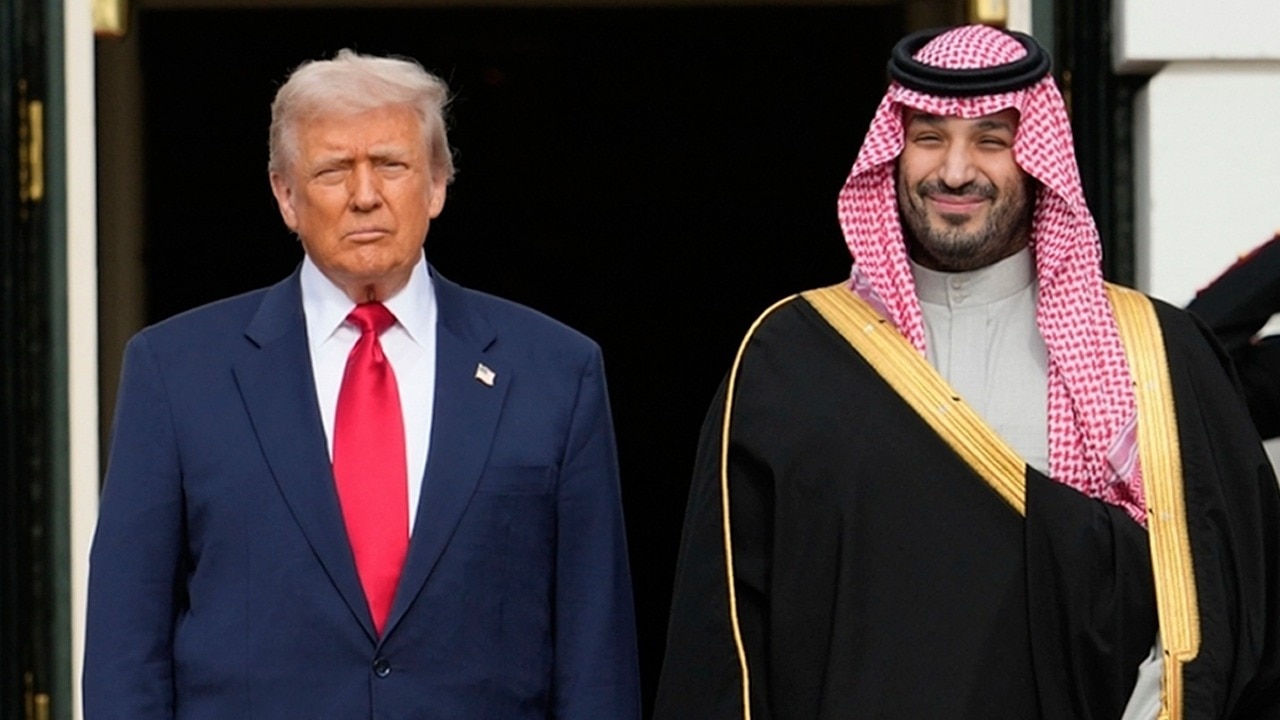
On Monday, when Trump announced on Truth Social that US and India had reached a trade deal, stating that the agreement would substantially reduce the reciprocal tariffs, he categorically said India would stop buying Russian oil.
However, as the day progressed, sources in the government told CNN-News18 that India would stick to a “people-first approach". “We will continue to buy oil from markets giving the best deal and from non-sanctioned entities. Our strategy will be decided by market prices."
CAN INDIA AFFORD TO STOP BUYING OIL FROM RUSSIA?
According to The Times of India, India imports a very large share of its crude oil—around 85-88 per cent of consumption—from overseas. Russia has been one of its largest suppliers, often providing crude at discounted prices that fit Indian refiners’ technical requirements.
Oil contracts are usually made weeks to months in advance, and as per the Indian Express, Indian refiners have booked Russian cargoes already through March or even April, making an immediate end to purchases impractical even if the government wanted it.
Apart from cargoes being booked, which can’t easily be cancelled without penalties or logistical issues, a key factor remains that Russian Urals crude has physical and cost advantages for many Indian refineries and lighter US grades or other sources may not replace it without blending or additional processing.
Government and industry officials have repeatedly said India will buy where it makes most economic sense, subject to sanctions and strategic needs, but it won’t ban Russian imports by directive.
According to Reuters, what is happening already, and could accelerate, is diversifying India’s crude imports, including increasing purchases from the US, Middle East, Africa, or Venezuela, as part of broader energy and trade strategies. India has publicly expressed openness to resuming Venezuelan oil imports if commercially feasible, a move that US officials have supported as part of shifting away from Russian crude.
THE US-INDIA INTERIM FRAMEWORK
Announced on Saturday, the framework says India will eliminate or reduce tariffs on all US industrial goods, cut duties on a wide range of US farm and food products, including dried distillers’ grains (DDGs), red sorghum for animal feed, tree nuts, fruits, soybean oil, wine, and spirits, and provide preferential market access in agreed sectors to facilitate smoother trade.
India plans to buy US goods worth $500 billion over the next five years, covering items such as energy supplies, aircraft and components, precious metals, technology products, and coking coal. The agreement also seeks to boost technology-related trade, with a focus on graphics processing units (GPUs) and equipment used in data centres.
The United States, meanwhile, will apply an 18 per cent reciprocal tariff on most Indian goods, including textiles, apparel, leather, footwear, plastics, rubber, organic chemicals, home décor, artisanal products, and certain machinery. It will also remove reciprocal tariffs on a wide range of Indian goods once the interim deal is successfully implemented, covering sectors such as generic pharmaceuticals, gems and diamonds, and aircraft parts.
India has also safeguarded its sensitive sectors in the deal, with Union commerce minister Piyush Goyal saying: “In the India-US trade agreement, dairy, fruits, vegetables, spices, and other grains have been protected. This will safeguard the interests of domestic farmers, strengthen local agriculture through preferential access to such a large market, and mark another powerful step forward in the direction of a self-reliant India."
Handpicked stories, in your inbox
A newsletter with the best of our journalism
First Published:
February 07, 2026, 10:53 IST
News india Will India Have To Stop Buying Russian Oil? Here's What US Trade Framework Says
Disclaimer: Comments reflect users’ views, not News18’s. Please keep discussions respectful and constructive. Abusive, defamatory, or illegal comments will be removed. News18 may disable any comment at its discretion. By posting, you agree to our Terms of Use and Privacy Policy.
Read More