3 hours ago
Last Updated:January 13, 2026, 16:36 IST
Shaksgam in Jammu and Kashmir: India says Pakistan illegally ceded it to Beijing in 1963; China is working on infrastructure in the valley as part of CPEC

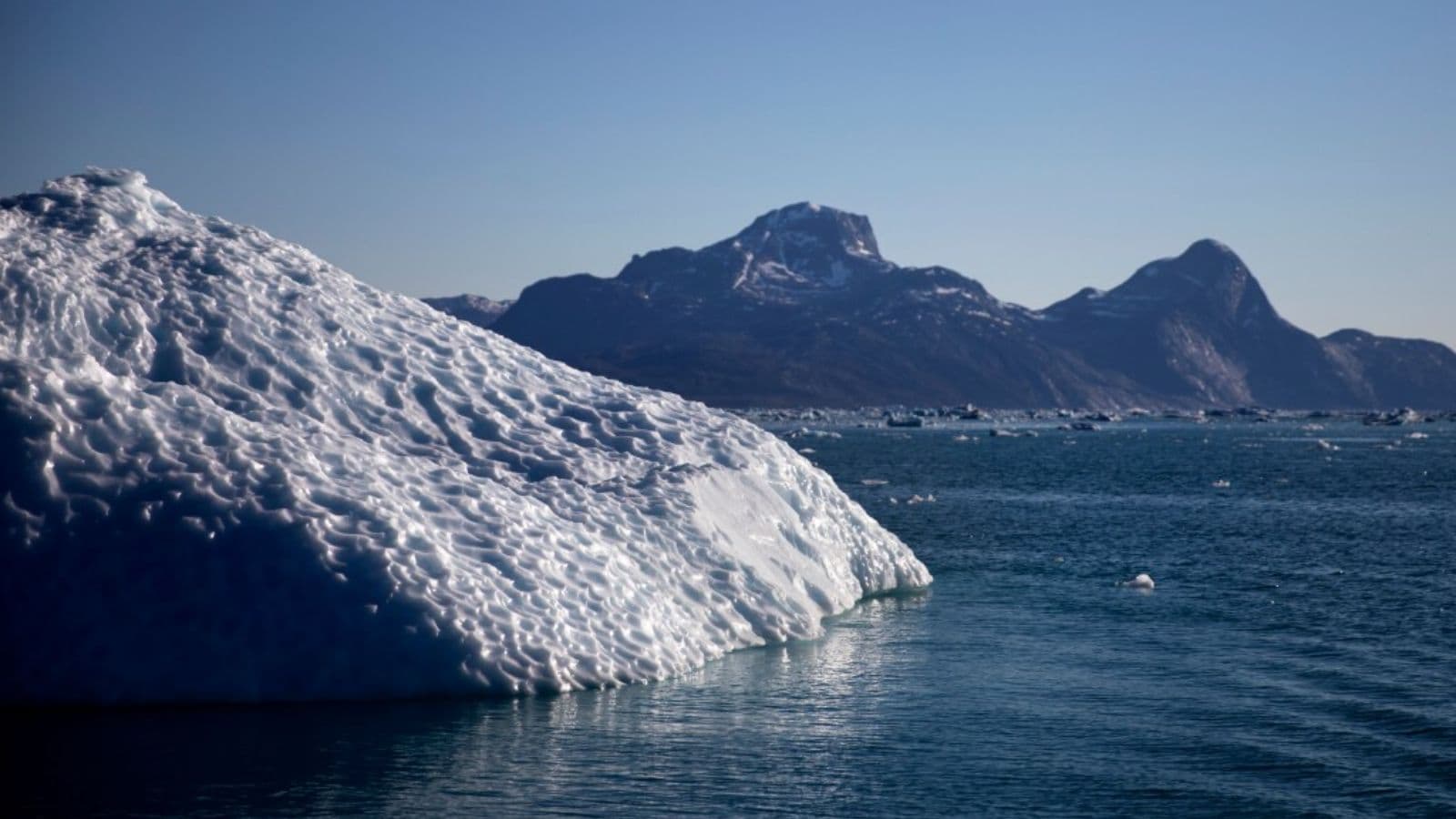
The Shaksgam Valley, also known as the Trans Karakoram Tract, lies high in the Karakoram mountains, north of the Siachen Glacier in the region of Jammu & Kashmir and Ladakh. (News18 Hindi)
A year after India and China reached a deal to end a protracted military standoff in eastern Ladakh, a new flashpoint has emerged – Shaksgam Valley in Jammu and Kashmir.
India and China recently had a sharp exchange over the strategic 5,000 sq km area. While New Delhi holds Islamabad illegally ceded it to Beijing in 1963, China has started to build infrastructure in the valley as part of the China-Pakistan Economic Corridor (CPEC).
Shaksgam Valley is key for India
The Shaksgam Valley, also known as the Trans Karakoram Tract, lies high in the Karakoram mountains, north of the Siachen Glacier in the region of Jammu & Kashmir and Ladakh. It borders China’s Xinjiang region to the north and Pakistan-controlled Gilgit-Baltistan to the south and west.
Siachen is key for India to monitor the activities of Pakistan, while the Karakoram Pass matters for Chinese acitivities.
How did Pakistan get to cede it to China?
As Jammu and Kashmir acceded to India in October 1947, the Valley legally became a part of India. However, Pakistan continued to occupy it forcibly. Soon, China started entering the territories in eastern Hunza. Ignoring India’s concerns, in 1963, Pakistan formally ceded the Yarkand River and Shaksgam Valley to China, ignoring India’s concerns.
What is China-Pakistan agreement?
The China-Pakistan Boundary agreement on the Shaksgam Valley refers to a 1963 border arrangement, in which Pakistan and China defined their border in the Trans-Karakoram tract, including the Shaksgam Valley. Under this agreement, Pakistan ceded control of the Shaksgam Valley area to China
It demarcated the boundary between China and Pakistan-occupied Kashmir and Gilgit-Baltistan).
The agreement also has a clause that stipulates that after the settlement of Kashmir dispute between Pakistan and India, the sovereign authority will reopen negotiations with the government of China to sign a formal boundary treaty.
India does not recognise this agreement.
What is China doing in the Shaksgam Valley?
Reports indicate that China has been building a long all-weather road through the Shaksgam Valley, extending connectivity from its side of the Karakoram range and enhancing access toward Pakistan-controlled areas.
China has reportedly completed construction of a75-km all-weather road in the valley.
‘Shaksgam Valley is Indian territory’: What New Delhi says
“Shaksgam Valley is Indian territory. We have never recognised the so-called China-Pakistan ‘boundary agreement’ signed in 1963. We have consistently maintained that the agreement is illegal and invalid," External Affairs Ministry spokesperson Randhir Jaiswal said on January 9.
“We also do not recognise the so-called China-Pakistan Economic Corridor, which passes through Indian territory that is under forcible and illegal occupation of Pakistan," he said.
Jaiswal said that the entire Union Territories of Jammu and Kashmir and Ladakh are an integral and inalienable part of India. “This has been clearly conveyed to Pakistani and Chinese authorities several times," he added.
India on Tuesday again rejected China’s renewed claims over the Shaksgam Valley, with Chief of Army Staff General Upendra Dwivedi declaring the 1963 boundary agreement between Pakistan and China illegal and reiterating that New Delhi does not recognise any activity carried out in the region.
Speaking on the issue, General Dwivedi said India considers the 1963 agreement, under which Pakistan ceded territory in the Shaksgam Valley to China, to be invalid.
‘We are fully justified’: What China says
Reacting to Jaiswal’s comments, Chinese Foreign Ministry spokesperson Mao Ning told a media briefing on Monday that “the territory you mentioned belongs to China".
“It’s fully justified for China to conduct infrastructure construction on its own territory. China and Pakistan in the 1960s signed a boundary agreement and delimited the boundary between the two countries, which is the right of China and Pakistan as sovereign countries," she said.
On India’s criticism of the CPEC, Mao repeated Beijing’s narrative that it is an economic cooperation initiative, aimed at promoting local socioeconomic development and improving people’s livelihood.
“The China-Pakistan boundary agreement and CPEC do not affect China’s position on the Kashmir issue and the position remains unchanged," she said.
Moreover, China’s official stand on the Kashmir issue, as often reiterated by Beijing, is that “Jammu and Kashmir dispute is left over from history, and should be properly and peacefully resolved in accordance with the UN Charter, relevant UN Security Council resolutions and bilateral agreements".
First Published:
January 13, 2026, 16:35 IST
News explainers Why Shaksgam Road Is Leading To India-China Clash: What Is Pakistan’s Role In It?
Disclaimer: Comments reflect users’ views, not News18’s. Please keep discussions respectful and constructive. Abusive, defamatory, or illegal comments will be removed. News18 may disable any comment at its discretion. By posting, you agree to our Terms of Use and Privacy Policy.
Read More