 1 month ago
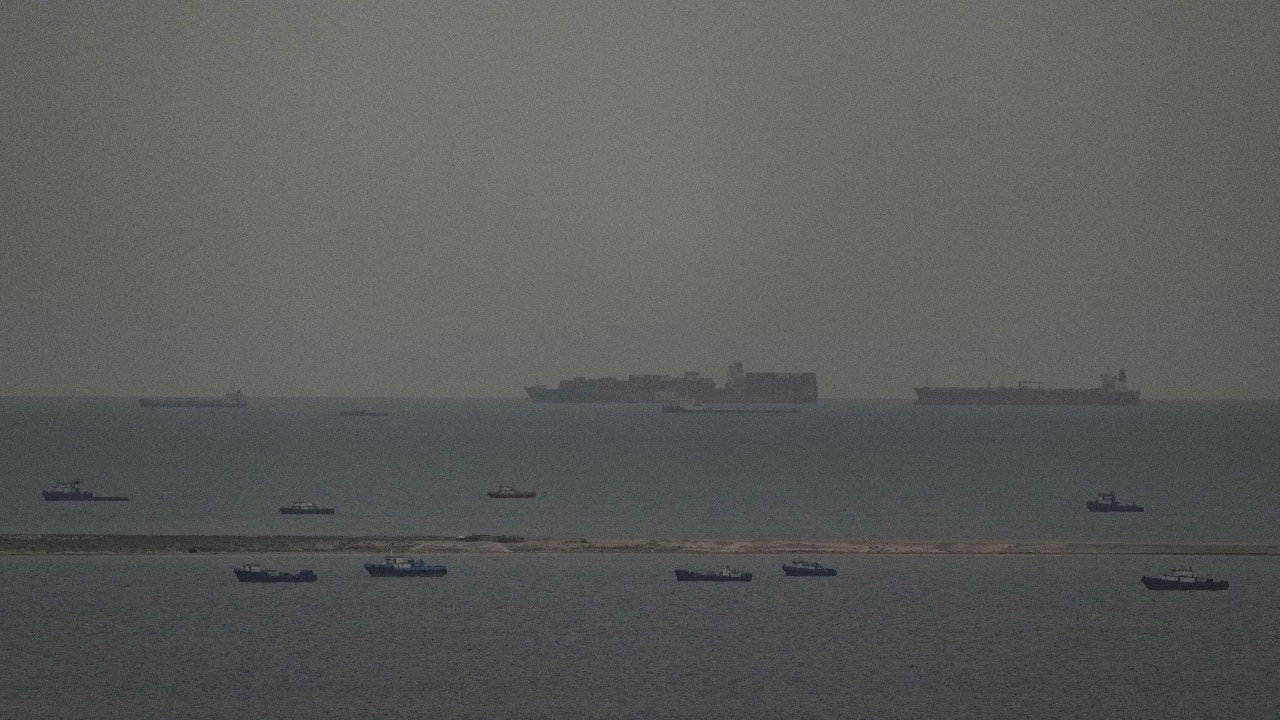
Iran conducted live-fire military drills in the Strait of Hormuz and temporarily restricted traffic, raising fresh concerns about global oil supplies as tensions with the United States intensify.
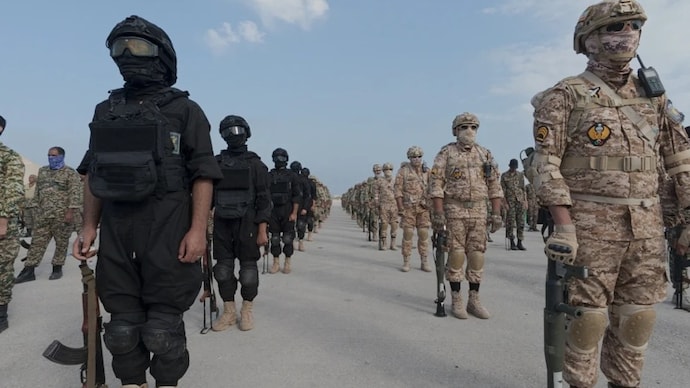
Troops standing at attention during Iranian Revolutionary Guard's drill in the Persian Gulf on Monday.
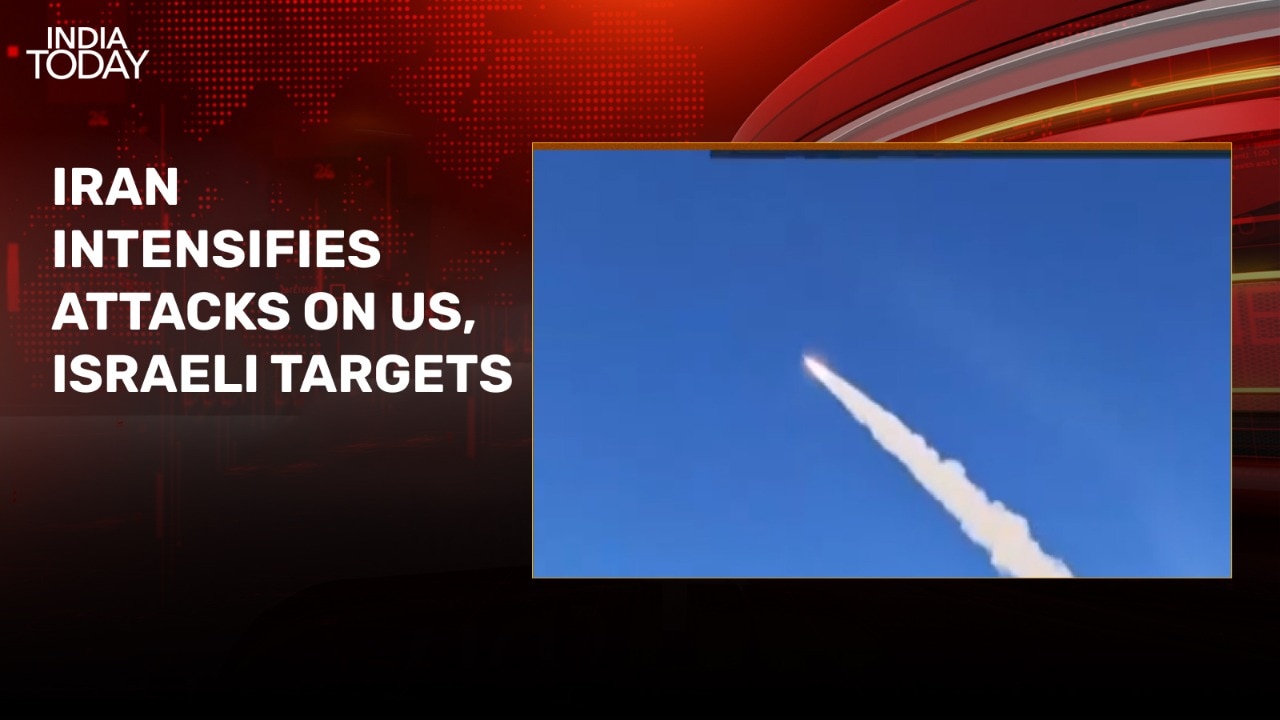
Iran temporarily shut parts of the Strait of Hormuz on Tuesday as it launched live-fire military exercises in one of the world’s most critical oil routes, raising fresh concerns about a wider confrontation with the United States.
Semiofficial Iranian news agencies reported missile tests in the narrow mouth of the Persian Gulf, through which about 20% of the world’s oil supply passes. Iranian media said the closure would last several hours, citing “safety and maritime concerns.”
The move marks a rare step by Tehran. In previous periods of tension, Iran has harassed shipping through the strait and, during the 1980s Iran-Iraq war, both sides attacked tankers and laid naval mines that at times shut down traffic. But Iran has not fully closed the waterway since then — even during last year’s 12-day war when Israel and the United States bombarded Iranian nuclear and military sites.
The US military’s Central Command did not immediately comment on Tuesday’s closure or the live-fire drills. Below is the details of the Strait of Hormuz and its impact;
A CHOKEPOINT FOR GLOBAL ENERGY
The Strait of Hormuz is about 33 kilometers, or 21 miles, wide at its narrowest point. It links the Persian Gulf to the Gulf of Oman and onwards to global markets.
While Iran and Oman control territorial waters along the strait, it is considered an international waterway open to all shipping. The United Arab Emirates, including Dubai, sits near the route.
Oil and gas from Saudi Arabia, Kuwait, Iraq, Qatar, Bahrain, the UAE and Iran move through the strait, much of it bound for Asia. According to the US Energy Information Administration, most of the oil that transits the passage has no viable alternative route, despite pipelines in Saudi Arabia and the UAE that bypass it.
Threats to the strait have historically rattled global energy markets, including during the Israel-Iran war in June.
LIVE FIRE DRILL AND RISING NAVAL TENSIONS
Iran announced the new exercise on Monday, calling it the “Smart Control of the Strait of Hormuz” drill. Mariners were warned by radio of planned “live surface firing.”
The semiofficial Tasnim news agency, which is close to Iran’s paramilitary Revolutionary Guard, reported that missiles launched from inside Iran and along its coast struck targets in the strait.
Earlier this month, tensions flared after a US Navy fighter jet shot down an Iranian drone approaching the aircraft carrier USS Abraham Lincoln in the Arabian Sea. The US military also reported that Iran harassed a US-flagged and US-crewed merchant vessel sailing through the strait.
US Central Command, which oversees the Navy’s Bahrain-based 5th Fleet, has said Iran has the right to operate professionally in international airspace and waters but warned it would not tolerate aircraft or vessels getting dangerously close to American warships or pointing weapons at them.
NUCLEAR TALKS AND WAR WARNINGS
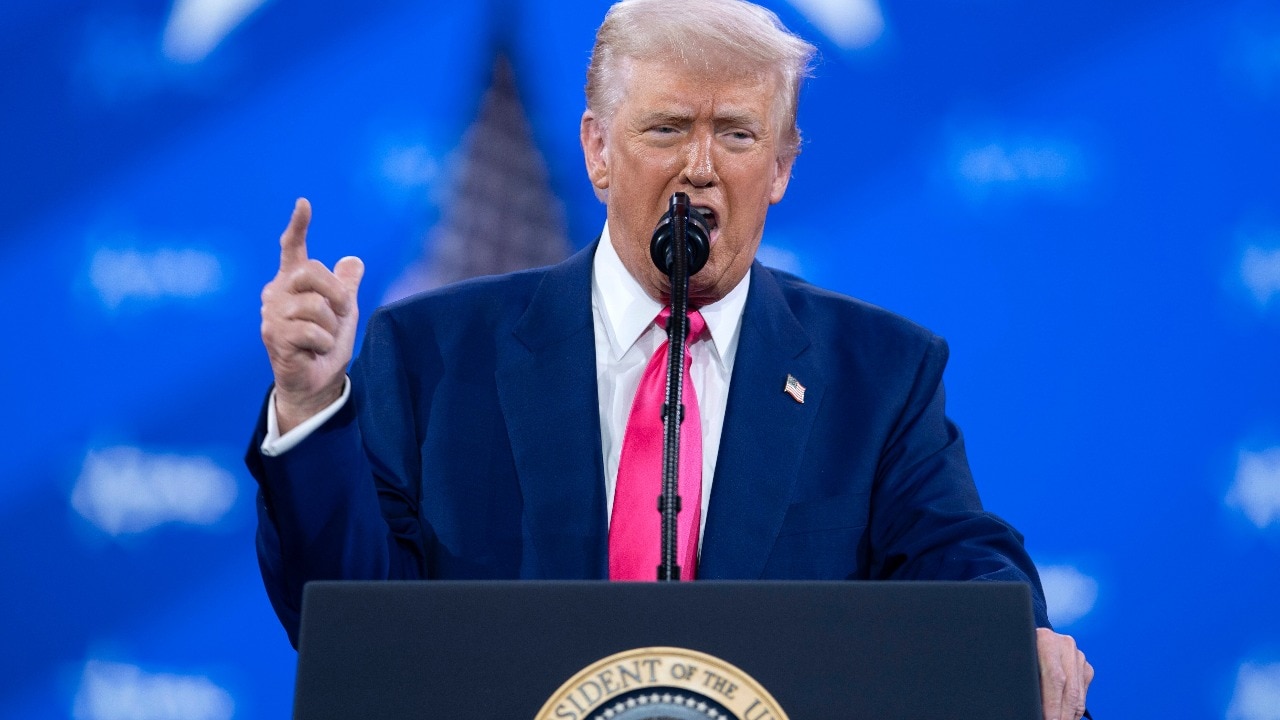
The maneuver comes as tensions between Washington and Tehran deepen. President Donald Trump initially threatened military action after Iran’s crackdown on nationwide protests earlier this year. More recently, he has used the threat of force to pressure Tehran in negotiations over its nuclear programme. The two sides held a new round of indirect nuclear talks in Geneva on Tuesday.
The USS Abraham Lincoln carrier strike group has been positioned in the Arabian Sea for weeks. Trump said Friday that the USS Gerald R. Ford, the world’s largest aircraft carrier, was being sent from the Caribbean to the Middle East to reinforce US forces in the region.
Iran has warned it could carry out a preemptive strike or target US interests across the Middle East and Israel. While last year’s brief war saw Iran fire ballistic missiles and Israel strike its arsenal, Tehran still maintains short- and medium-range missiles capable of reaching Gulf Arab states.
On Tuesday, Supreme Leader Ayatollah Ali Khamenei issued a stark warning.
“The strongest army in the world might sometimes receive such a slap that it cannot get back on its feet,” Khamenei said, according to Iranian state television.
“Of course a warship is a dangerous apparatus, but more dangerous than the warship is the weapon that can sink the warship into the depths of the sea.”
- Ends
Published By:
Nitish Singh
Published On:
Feb 18, 2026
Tune In