 1 hour ago
Indirect US-Iran talks in Doha ended with an agreement to partially release frozen Iranian funds and set up a channel for ceasefire disputes. The outcome signals cautious progress in a fragile truce, even as nuclear and sanctions issues remain unresolved.
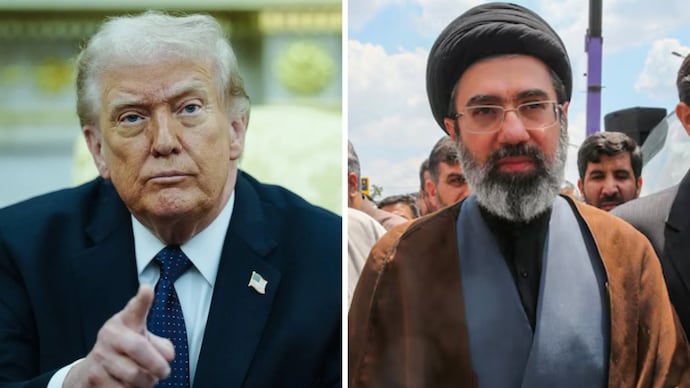
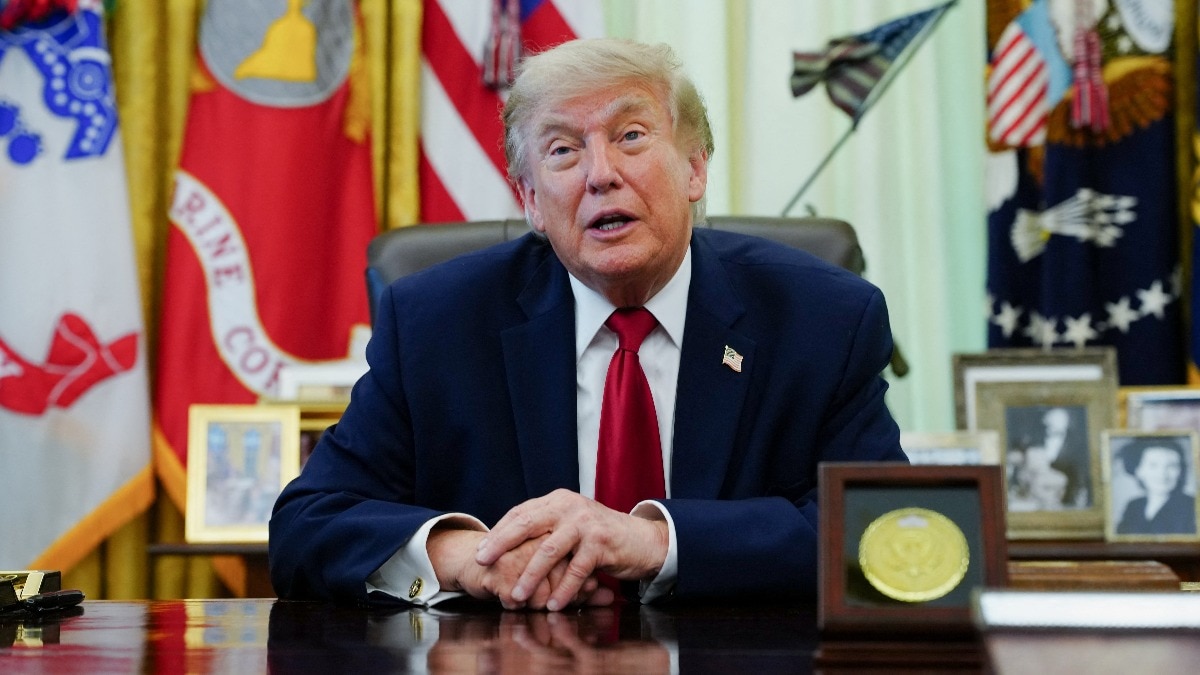
While major disagreements remain, both sides struck a more optimistic tone after the latest round of diplomacy. (File Photo: Reuters)
Iran said indirect talks with the United States in Qatar ended on Wednesday with what it described as a significant step forward, including an agreement to partially release the country's frozen assets and establish a communication channel to handle disputes over a fragile ceasefire agreement.
The announcement came after two days of technical discussions in Doha, where officials worked to implement a memorandum of understanding (MoU) aimed at reducing tensions following months of fighting that pushed the Middle East to the brink of a wider regional war.
While major disagreements remain, both Washington and Tehran struck a more optimistic tone after the latest round of diplomacy.
PARTIAL RELEASE OF FROZEN FUNDS AGREED
On Wednesday, Iranian Deputy Foreign Minister Kazem Gharibabadi, who headed Tehran's delegation, announced that the talks had concluded.
According to Iran's state-run IRNA news agency, Gharibabadi said the two sides had agreed that part of Iran's $6 billion in frozen funds would be made available so Tehran could purchase goods based on its domestic needs.
He also announced that a communication mechanism would be set up to prevent misunderstandings during the implementation of the agreement.
"A communication channel would be established by tomorrow" to report and discuss violations of the Iran-US memorandum of understanding, Gharibabadi said.
Iran did not specify how much of the frozen money would be released immediately or provide a timeline for future transfers.
The United States had not officially commented on Iran's announcement.
TALKS HELD THROUGH MEDIATORS
Unlike previous diplomatic engagements, the latest discussions were conducted indirectly.
According to Gharibabadi, there were no face-to-face meetings between the Iranian and American delegations.
Instead, Qatar and Pakistan acted as intermediaries, relaying messages between the two sides throughout the negotiations.
The talks began on Tuesday night and continued through Wednesday with separate sessions involving senior negotiators and technical experts.
US envoy Steve Witkoff and President Donald Trump's son-in-law Jared Kushner met Qatari Prime Minister Sheikh Mohammed bin Abdulrahman bin Jassim Al Thani before the negotiations to help prepare the diplomatic process. However, neither participated directly in the technical discussions.
The two American officials later met Qatar's emir, Sheikh Tamim bin Hamad Al Thani, to discuss developments in both the Iran negotiations and the parallel diplomatic efforts in Lebanon.
One of the main objectives of the Doha talks was restoring stability in Strait of Hormuz. Iran has repeatedly said it wants international recognition of its role in managing the strait and its authority to levy fees on ships entering or leaving the Gulf.
The United States has maintained that its priority is to guarantee the uninterrupted flow of commercial shipping through the route.
Shipping has partially resumed following the interim agreement, although market analysts say conditions remain uncertain.
US SUPPORTS DIPLOMACY
The Donald Trump administration expressed cautious optimism after the talks.
Vice President JD Vance said negotiations were progressing well and made clear that President Donald Trump preferred diplomacy over renewed military action.
"I can't commit to anything, because obviously it depends on what the Iranians are ultimately going to do," Vance said.
"What I can commit to is: The president's not going to send our military back in unless he has to, unless there's a clearly defined purpose for it."
Vance said discussions had initially focused on commercial shipping before eventually moving to Iran's nuclear programme.
"It's still pretty early, but talks are going well," he added.
Trump echoed that optimism while speaking to reporters on Wednesday.
"The denuclearization of Iran is moving along well," the president said.
"They've had very good meetings, and we'll see."
Referring to last week's US military strikes on Iran, Trump added: "Well, I think they've come a long way. We hit them very hard last week. I think they're fine."
LARGER CHALLENGES REMAIN
Despite the progress announced in Doha, negotiators still face difficult discussions over Iran's nuclear programme, sanctions relief and long-term security arrangements.
The current talks are part of a 14-point interim accord reached last month, which halted fighting, reopened the Strait of Hormuz and launched a 60-day process aimed at reaching a permanent peace agreement. The agreement also includes efforts to reduce tensions in Lebanon, where parallel diplomatic negotiations continue.
For the Trump administration, the talks offer a chance to avoid another military confrontation while easing pressure on global energy markets ahead of the US midterm elections.
For Iran, greater access to frozen assets could provide much-needed economic relief after months of war and sanctions.
- Ends
With inputs from agencies
Published By:
Satyam Singh
Published On:
Jul 2, 2026 01:51 IST