1 hour ago
The United States launched fresh airstrikes across Iran as Tehran fired at US-allied countries in the Gulf. The exchange has put the interim ceasefire at risk and revived fears over Hormuz oil shipments.

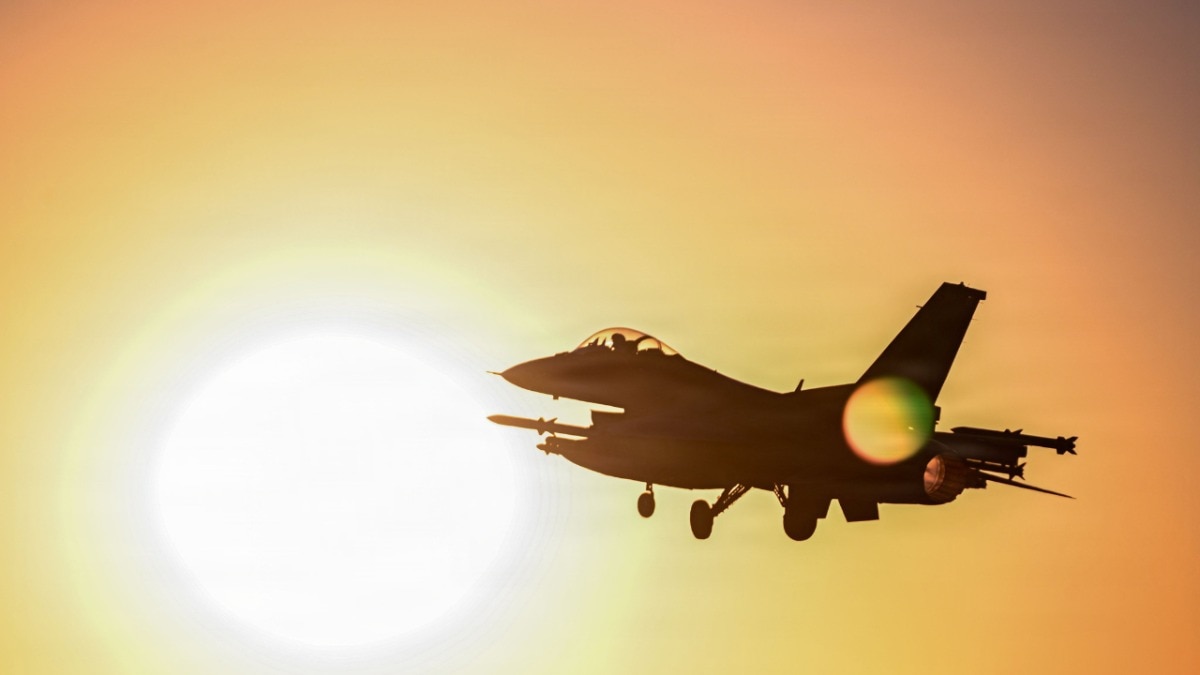
Stock photo used for illustration

Dubai,UPDATED: Jul 10, 2026 03:56 IST
The United States carried out fresh airstrikes across Iran early on Thursday, while Tehran responded by targeting US-allied countries in the Middle East, deepening fears that a fragile interim ceasefire could collapse. The exchange followed warnings from US President Donald Trump after recent attacks on ships in the Strait of Hormuz, raising fresh concern over a wider regional war and disruption to energy shipments through the key waterway.
The latest round of attacks appeared broader than earlier exchanges. Sirens sounded at least three times in Bahrain, which hosts the US Navy's 5th Fleet headquarters, while missiles were aimed at Kuwait and Qatar. Sirens also sounded in Jordan, where the US has troops and aircraft, as both sides traded strikes that again put the ceasefire under strain.
In Iran, the Health Ministry said two days of American airstrikes had killed at least 14 people and wounded 78 others, with most of the dead reported to be members of the armed forces. In Kuwait, the military said falling debris wounded one person after the country shot down three ballistic missiles, a cruise missile and 10 drones. Bahrain said it intercepted incoming fire but gave no details, while Jordan government spokesman Mohammad al-Momani said all incoming fire from Iran had been intercepted. Iranian state television said the Revolutionary Guard fired missiles at a US base in Jordan. There was no immediate word of damage in Qatar.
The US military's Central Command said it struck 90 targets across Iran and released black-and-white footage showing what appeared to be hits on an airport runway and missile launchers. The US said the strikes were meant to "further degrade" Iran's ability "to threaten freedom of navigation" in the Strait of Hormuz. The latest attacks came after Trump said Iranian strikes on ships in the strait signalled the end of a fragile ceasefire and could escalate the conflict if they did not stop. The strait is crucial for global energy flows. Traffic had picked up after a tentative deal last month that included reopening the waterway. Lloyd's List Intelligence said preliminary data showed at least 576 ships passed through the strait in June, compared with 233 in May. More than 3,100 transited the strait in June 2025.
Iranian state media reported explosions in several places, including Bushehr, home to Iran's only nuclear power plant complex, and in southern port cities. IRNA quoted local official Ehsan Jahanian as accusing the US of striking near the plant around noon, hours after Central Command said it had finished its latest round of strikes. Asked about Bushehr, Central Command referred to a press release listing targets but making no mention of the nuclear plant. For the first time since April, US strikes also appeared to hit Iranian bridges. State media reported a strike on a railway bridge in Golestan province, while the Revolutionary Guard said two bridges on the route to Mashhad were attacked, where officials planned to bury the late Ayatollah Ali Khamenei on Thursday.
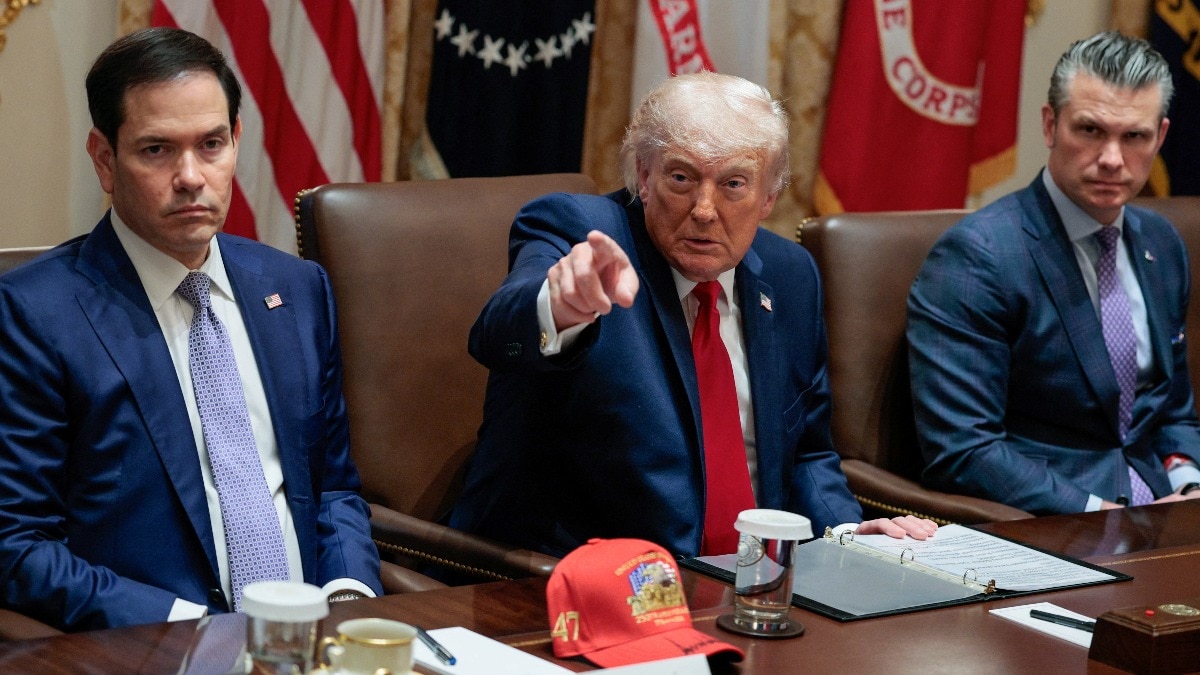
After leaving a NATO summit in Turkey, Trump posted videos on social media that he said showed explosions in Iran and issued a fresh warning. "This is in retribution for yesterday's bombing of ships by Iran. If it happens again, it will get much worse!" he wrote on Wednesday, a day after three tankers were attacked in the Strait of Hormuz. Trump said the latest fighting would not lead to lengthy military action. He also repeated earlier threats to target Iran's civilian infrastructure, including electric and desalination plants, and to seize Kharg Island, through which about 90 per cent of Iranian oil exports pass.
On Thursday morning, Parliament Speaker Mohammad Bagher Qalibaf, who is involved in efforts to reach a permanent end to the war, struck a defiant note in a post on X. "America still hasn't learned that bullying and breaking promises are no longer cost-free. Let me put it plainly: If you strike, you'll get hit." Iranian Foreign Minister Abbas Araghchi said on Telegram that he had spoken by phone with his Saudi, Turkish and Omani counterparts, as well as Pakistan's army chief, Field Marshal Asim Munir, one of the main mediators in the war. The contacts suggested efforts may be under way to reduce tensions.
Trump added to fears of a return to full-scale war by saying on Wednesday that the interim ceasefire was "over", though he said he would still allow negotiations to continue and that negotiators were "wasting their time". Talks on a final agreement were due to begin after the dayslong funeral for Khamenei, who was killed in the first moments of the war. Those negotiations are expected to focus on the hardest issues, including fully reopening the Strait of Hormuz and rolling back Tehran's disputed nuclear programme. The latest strikes and counter-strikes have once again left the ceasefire in doubt and the wider region on edge.
With PTI Inputs
- Ends
Published By:
India Today Web Desk
Published On:
Jul 10, 2026 03:56 IST