1 month ago
The Trump administration is expected to sign a nuclear agreement with Saudi Arabia this week. The move could advance Riyadh's enrichment ambitions while reviving proliferation fears across the region.
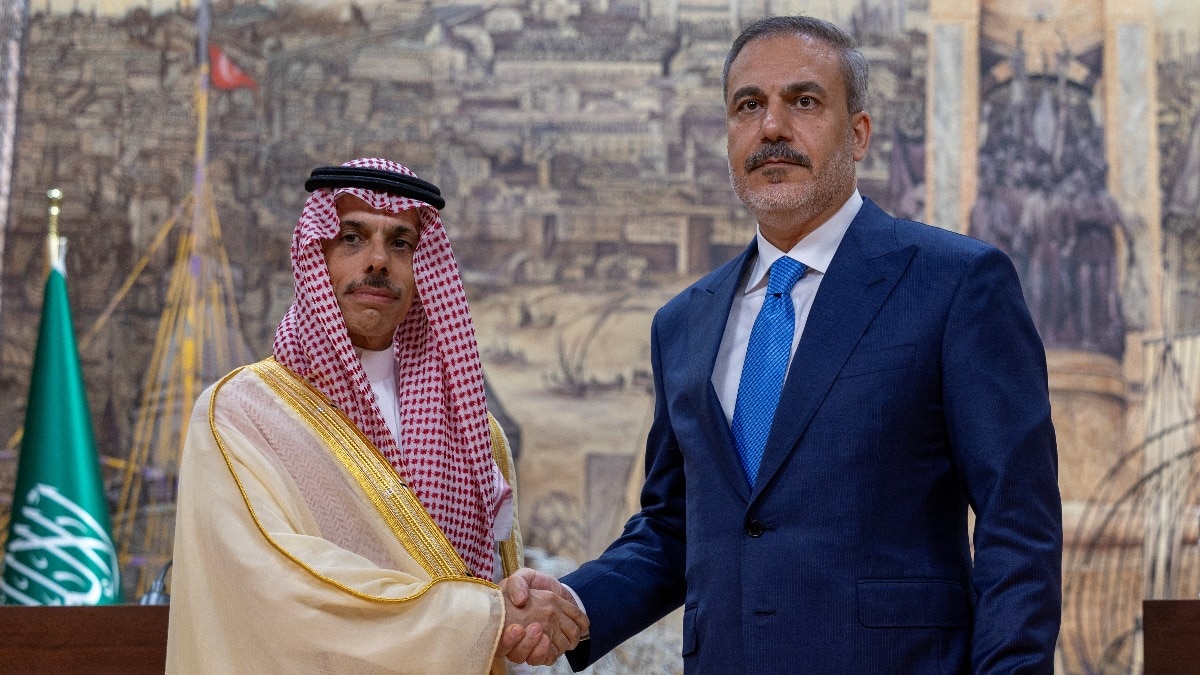
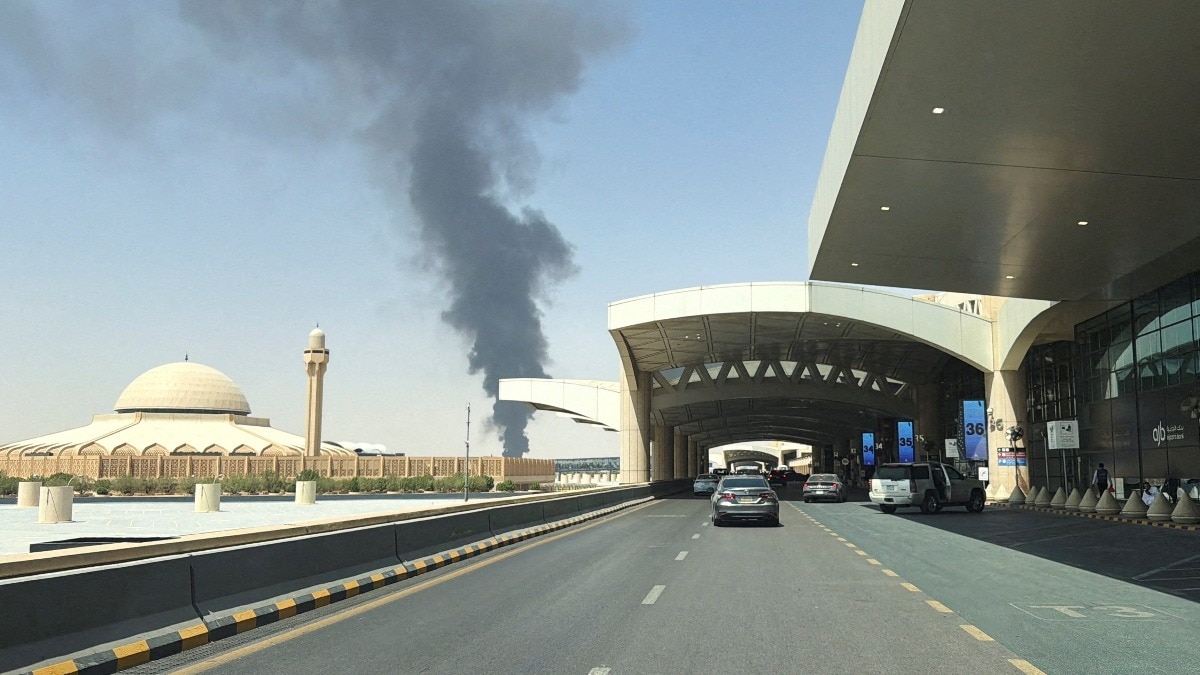
Stock photo used for illustration

Washington,UPDATED: Jul 22, 2026 19:44 IST
The Trump administration is expected to sign an agreement with Saudi Arabia as early as Wednesday that could pave the way for the kingdom to gain uranium enrichment capability for its civilian nuclear programme. US Secretary of State Marco Rubio said any agreement signed by Washington would not create a proliferation risk, even as the expected move has raised fresh concerns over nuclear competition in the region.
The proposed deal, confirmed to The Associated Press by two people familiar with the decision who were not authorised to discuss details publicly, is expected to allow for the possible construction of a uranium enrichment facility in Saudi Arabia after a joint US-Saudi study. The agreement is expected to run for 30 years, involve US firms in developing the programme, and be sent to Congress for review, where it could face opposition.
Rubio, speaking to reporters while travelling in the Philippines on Wednesday, did not confirm the agreement but sought to address criticism over the risk of aiding Saudi Arabia's long-standing push to enrich its own uranium. "The US is not going to reach any agreement with any country in the world that leads to the risk of proliferation," he said.
According to one of the people familiar with the decision, the agreement is not expected to include the Atomic Energy Agency's Additional Protocol, which allows greater monitoring, inspections and verification. The expected announcement comes during the war against Iran launched by the US and Israel, in part, to wipe out Tehran's ability to develop a nuclear weapon. Iran has maintained that its nuclear enrichment programme is peaceful.
The White House and Saudi officials in Riyadh did not immediately respond to multiple requests for comment on the decision, which was first reported by The Wall Street Journal. Alexander Bollfrass, a nuclear expert at the Institute for Strategic Studies in London, described the deal as "a revolutionary new approach" to nuclear non-proliferation policy. "The revolutionary aspect of this agreement is that the United States is not asking Saudi Arabia to abide by the highest possible safeguards, internationally monitored safeguards that are standard and are available today, but instead is willing to at least theoretically transfer highly sensitive technology without the same level of oversight that one would expect," he said.
Both President Donald Trump and former President Joe Biden had tried to reach a nuclear deal with Saudi Arabia to share American technology. Non-proliferation experts have warned that any spinning centrifuges inside Saudi Arabia could open the door to a possible weapons programme, something Crown Prince Mohammed bin Salman has suggested he could pursue if Tehran obtains an atomic bomb.
Energy Secretary Chris Wright travelled to Saudi Arabia last year shortly before Trump visited the kingdom and discussed expanding the country's commercial nuclear power industry with his Saudi counterpart. The US Department of Energy also did not respond to multiple requests for comment. Saudi Arabia and nuclear-armed Pakistan had already signed a mutual defence pact after Israel launched an attack on Qatar targeting Hamas officials. Pakistan's defence minister then said his country's nuclear programme "will be made available" to Saudi Arabia if needed, a remark seen as a warning for Israel, long believed to be the Middle East's only nuclear-armed state.
Enrichment is not an automatic path to a nuclear weapon, as a country must also master other steps, including the use of synchronised high explosives. But it can open the door to weaponisation, which has been central to Western concerns over Iran's programme. By contrast, the United Arab Emirates signed what is known as a "123 agreement" with the US for its Barakah nuclear power plant, built with South Korean help, without seeking enrichment, an approach non-proliferation experts have described as the "gold standard" for countries pursuing atomic power. Overall, the expected US-Saudi agreement has brought together Washington's assurances on non-proliferation, Saudi Arabia's nuclear ambitions and wider regional security concerns.
With PTI Inputs
- Ends
Published By:
India Today Web Desk
Published On:
Jul 22, 2026 19:44 IST