 19 minutes ago
A question about Nvidia's former chief executive Jensen Huang has landed a Bloomberg TV journalist in trouble with Chinese officials, after she shouted it at US President Donald Trump during his meeting with Chinese President Xi Jinping. According to US media outlets, Annmarie Hordern, who was covering Trump's visit to China, was subsequently barred from attending a high-profile trilateral meeting involving Trump, Xi and Russian President Vladimir Putin, despite efforts to have her reinstated.
The incident unfolded during Trump's meeting with Xi in Shenzhen on Thursday. As the two leaders sat across a long table, Hordern called out a question that brought the controversy surrounding the former Nvidia chief into the spotlight.
"President Trump," Hordern shouted, "has Jensen Huang been disloyal to the United States?"
Trump responded briefly, saying, "Thank you very much," without addressing the topic of her question. Xi looked towards the reporters but did not respond. Moments later, a Chinese security official stepped in and blocked a camera that had been recording the exchange.
WOW: Chinese officials BANNED a Bloomberg reporter from the Trump-Xi-Putin meeting in Shenzhen after she asked President Trump about Jensen Huang being “DISLOYAL” "The question was President Trump, has Jensen Huang, the Nvidia CEO, been disloyal to the United States?" "Apparently, Chinese authorities weren't happy about that. They consider it rude for reporters to yell questions." Per the pool, the White House pushed to get her REINSTATED, but Chinese officials insisted she stay out! A second reporter was SHUSHED mid-question, and the pool was warned it would be pulled from the room for yelling The media always complains in America and then realizes what it’s like in countries like China! They should feel privileged that Trump is the most accessible president ever — Eric Daugherty (@EricLDaugh) November 19, 2026
The question appeared to irritate Chinese officials, who subsequently prevented Hordern from entering the room where the three leaders were scheduled to meet.
QUESTION ON NVIDIA CHIEF TRIGGERS FRICTION
The incident is particularly striking because Hordern's question concerned an US corporate executive rather than a direct dispute between Washington and Beijing. However, the allegations surrounding Huang have brought China's role into an increasingly sensitive debate.
Huang, who recently stepped down as Nvidia's chief executive, has faced scrutiny over allegations involving an extramarital affair with Alice Huang, whom US intelligence officials have reportedly identified as a Chinese spy.
The allegations are particularly sensitive as Nvidia's advanced chips have become a key battleground in Washington's efforts to limit China's access to cutting-edge AI technology. The company's China dealings have also attracted growing attention on Capitol Hill.
China has denied the espionage allegations.
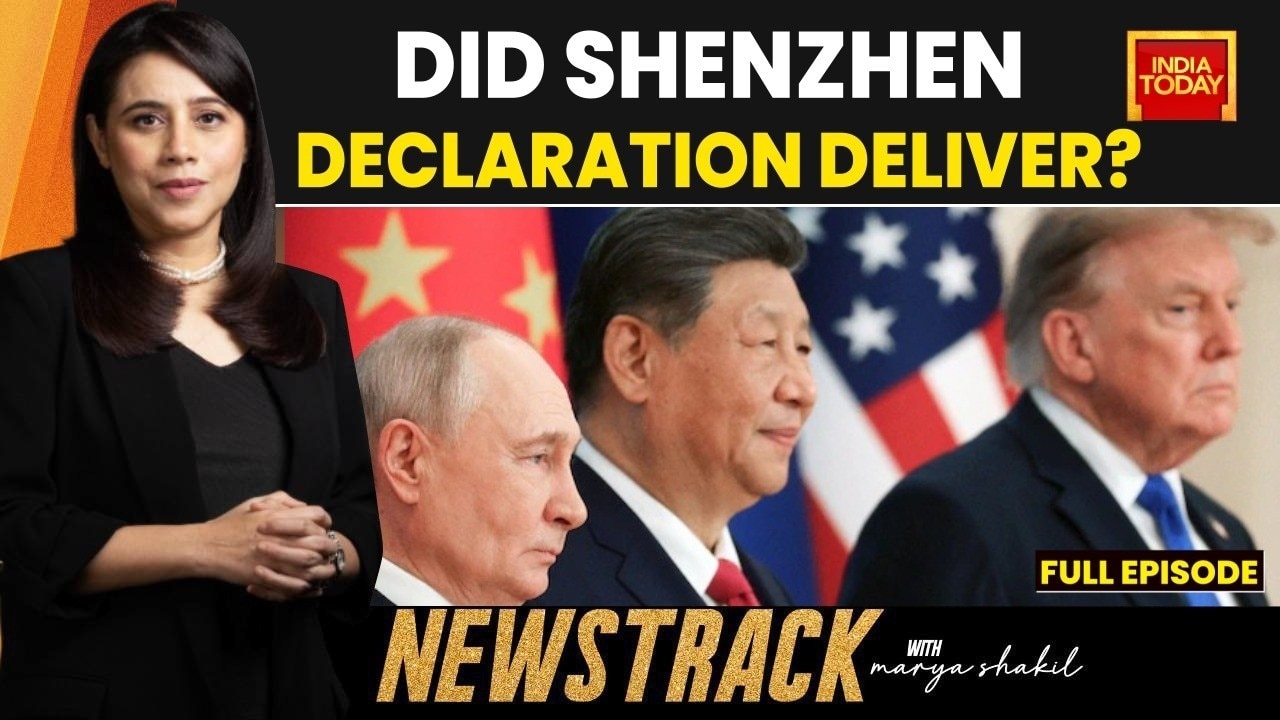
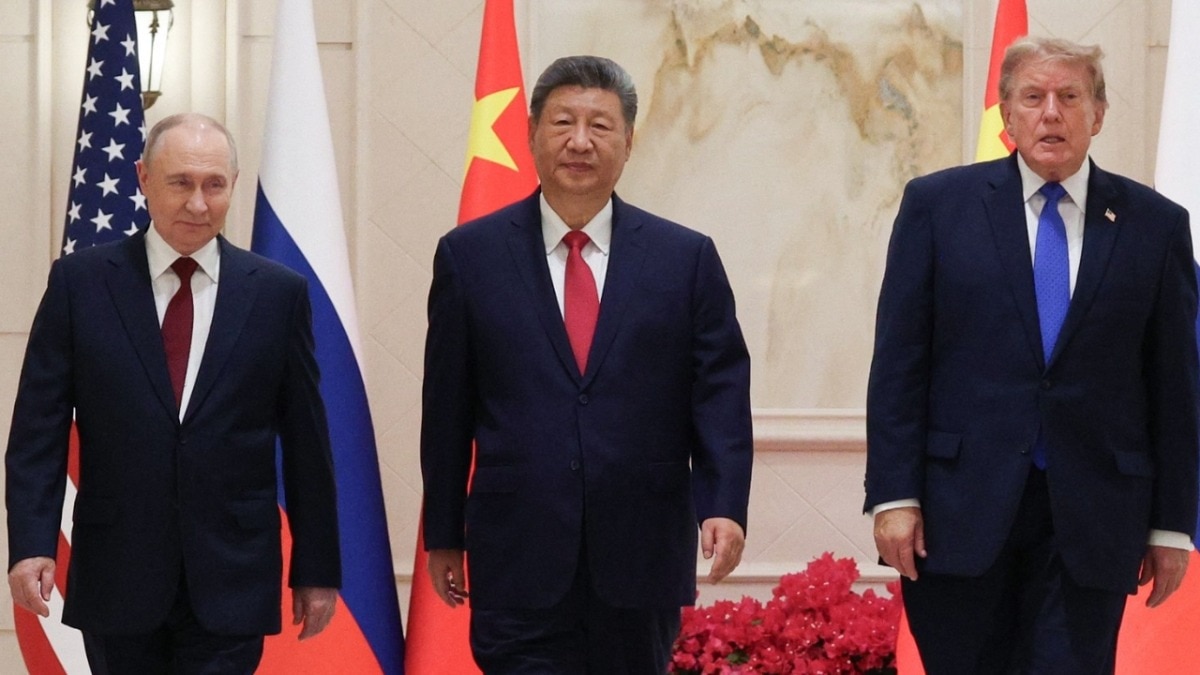
Hordern's exclusion became apparent when she was prevented from covering the subsequent trilateral meeting between Trump, Xi and Putin.
According to a pool dispatch circulated among television journalists, Chinese officials had warned reporters against shouting questions during the proceedings. The dispatch also carried a warning from officials that shouting questions would be considered extremely rude and could result in journalists being removed from the room.
TRUMP'S SUBTLE DIG AT CHINESE MEDIA CONTROLS
The restrictions also appeared to draw a pointed, if indirect, response from Trump himself.
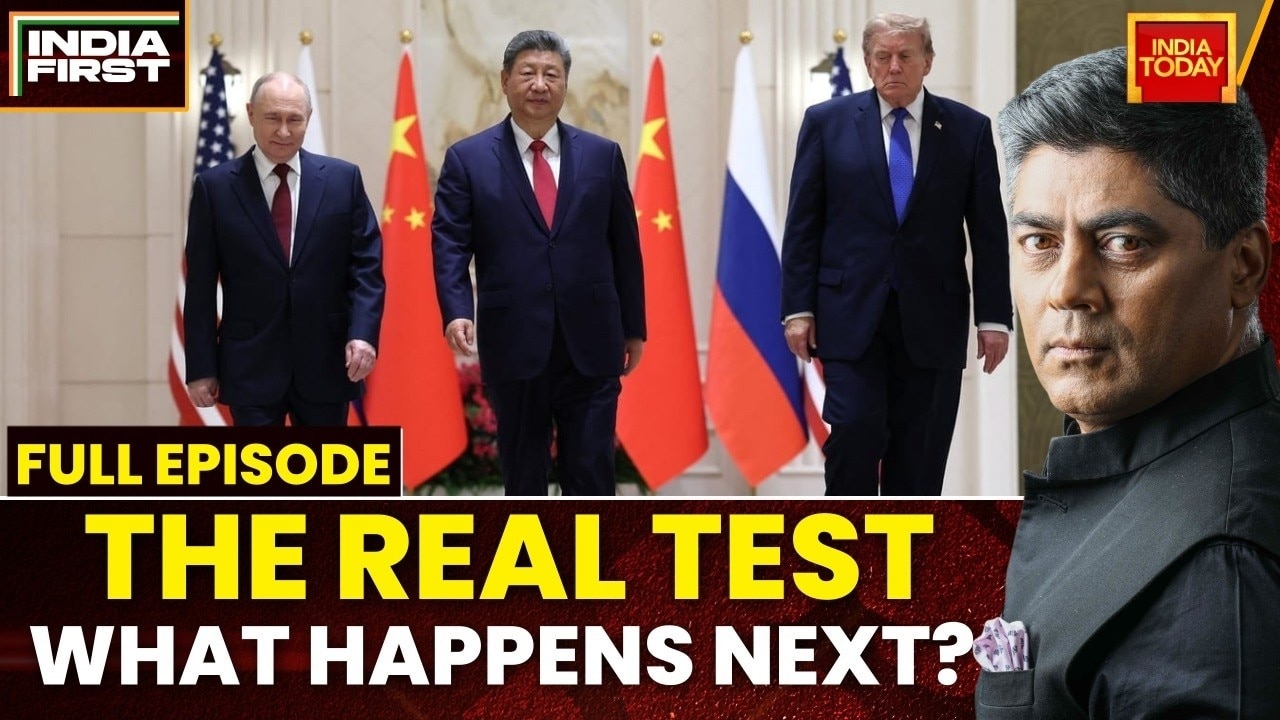
During his meeting with Xi, the US President seemed to notice the absence of the usual group of American journalists and photographers who typically follow him during international engagements. Praising the organisation of the summit, Trump remarked that the media had not been able to witness much of what was happening behind the scenes.
"It's too bad the media couldn't see some of it, because every move was perfectly executed," he told Xi.
His comment came against the backdrop of China's tightly managed approach to international media coverage. Foreign journalists are often given limited access to official events, while access to senior Chinese leaders is closely controlled. Xi himself rarely engages directly with journalists and does not routinely hold open news conferences. His public remarks are generally delivered through prepared speeches and statements carried by Chinese state media.
Previous US Presidents have attempted to use diplomatic visits to encourage greater media access in China.
During Barack Obama's 2014 visit to Beijing, US officials negotiated a joint news conference at which Xi took a question from an American journalist about Washington's renewed focus on Asia. Xi also answered a question about cybersecurity during his 2015 visit to Washington.
Trump, however, took a different approach during his 2017 China visit, when he did not take questions. His subsequent engagements with Xi have also stopped short of establishing a regular format for open questioning by journalists.
Meanwhile, scrutiny surrounding Huang continues to mount in Washington, where the former Nvidia chief is expected to face questions from lawmakers. Huang has agreed to testify before the Senate Banking Committee next month as congressional scrutiny of the allegations intensifies. He and Nvidia General Counsel Tim Teter are also scheduled to face questioning from three House committees on December 1.
- Ends