5 hours ago
Last Updated:March 09, 2026, 19:32 IST
US-Israel-Iran war: The dangerous lesson countries may take is international treaties may be insufficient to deter major powers, potentially sparking a global nuclear arms race


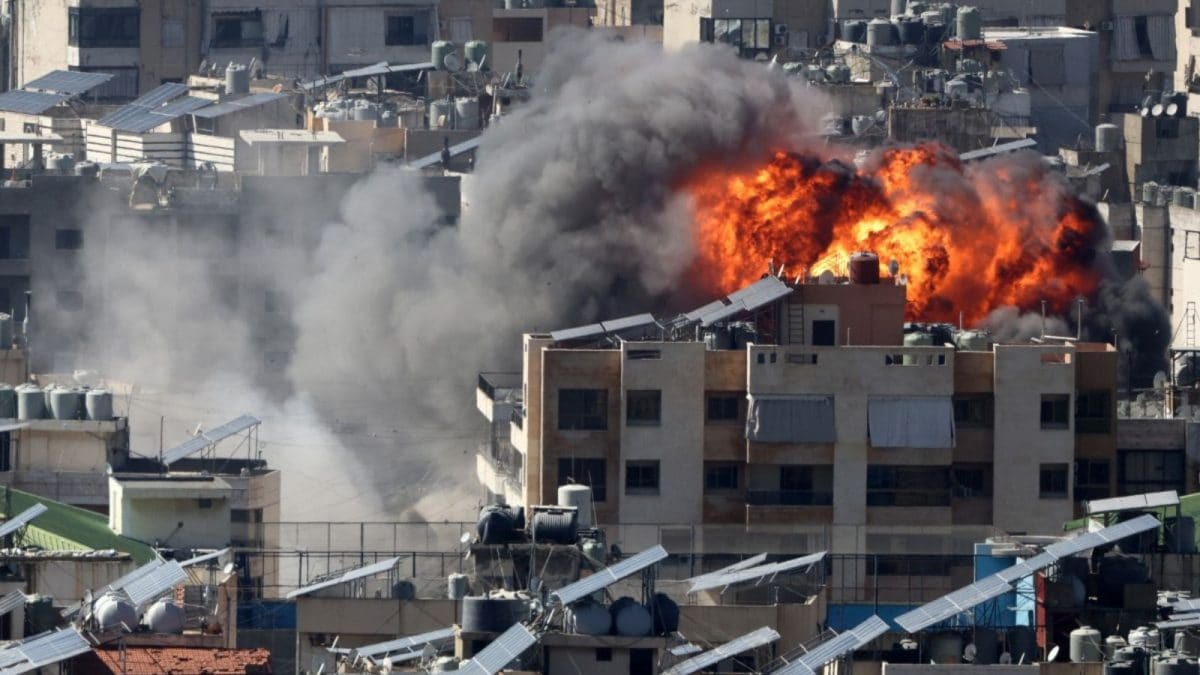
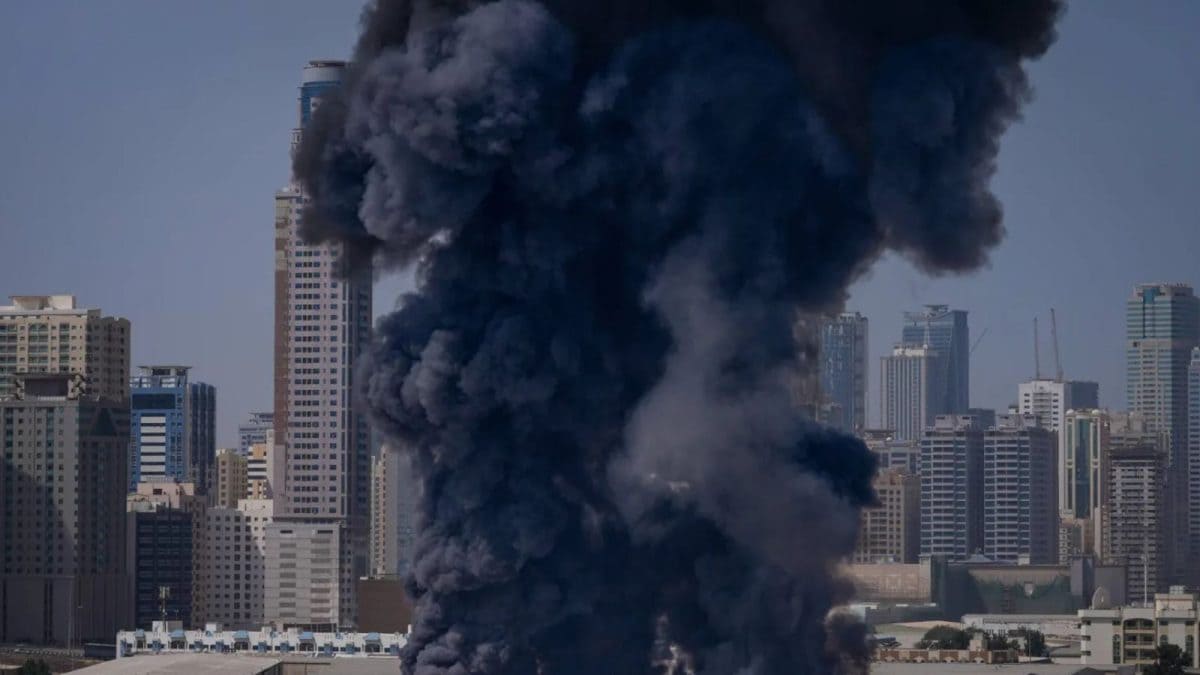
Motorists drive past a plume of smoke rising from an Iranian strike in Doha on March 1. (AFP)
The US-Israel-Iran war has broken most traditional templates, setting dangerous precedents for global conflicts in the future.
The primary “dangerous lesson" countries may take is that international treaties and conventional defences may be insufficient to deter major powers, potentially sparking a global nuclear arms race.
News18 decodes the four dangerous lessons.
LESSON 1: THE NUCLEAR PARADOX AND THRESHOLD FAILURE
The most critical lesson for global powers is the perceived failure of “nuclear latency" or “threshold" status as a deterrent.
Iran’s strategy of maintaining the ability to build a bomb without actually possessing one failed to prevent direct “Operation Rising Lion" and “Operation Epic Fury" strikes.
ALSO READ | When Will US-Israel-Iran War End? Who Will Decide: Donald Trump or Benjamin Netanyahu? Explained
Observers note that while a non-nuclear Iran was bombed, nuclear-armed North Korea was not, potentially incentivizing a global shift where nations believe only functional nuclear weapons guarantee regime survival.
The joint US-Israeli strikes on hardened sites like Fordow and Natanz have normalized “preventative war" against suspected proliferators, even without UN authorisation.
By observing that Iran’s “threshold" nuclear status failed to prevent a direct “Operation Epic Fury" decapitation strike, other nations may conclude that only the actual possession of functional nuclear weapons — rather than just the capability to build them — guarantees regime survival.
LESSON 2: EROSION OF CONVENTIONAL AND LEGAL DETERRENCE
The conflict demonstrated that high-tech superiority can now be used to decapitate sovereign leadership and bypass international norms, media reports quoted analysts as saying.
The killing of Iran’s Supreme Leader Ali Khamenei and top IRGC commanders (Mohammad Bagheri and Hossein Salami) proves that “leadership targeting" is no longer a red line for major powers.
The strikes were conducted despite Iran’s technical compliance with IAEA monitoring at the time, signaling to other nations that following international treaties may not protect them from military aggression.
The transition from decades of “shadow war" to direct state-on-state missile exchanges (e.g., Iran’s October 2024 barrage of 180+ missiles) suggests that regional powers can no longer rely on proxies alone to maintain a “forward defense".
LESSON 3: ASYMMETRIC WARFARE AND SUICIDAL AGGRESSION
Weakened regimes may take the lesson that desperate, unconstrained responses are the only remaining lever of influence.
Iran’s use of inexpensive drone swarms to deplete multi-million dollar air defense systems (Iron Dome, David’s Sling) has forced a global rethink of the “cost-per-kill" military calculus.
ALSO READ | US-Israel-Iran War Rages On: 10 Key Questions Answered On Day 10
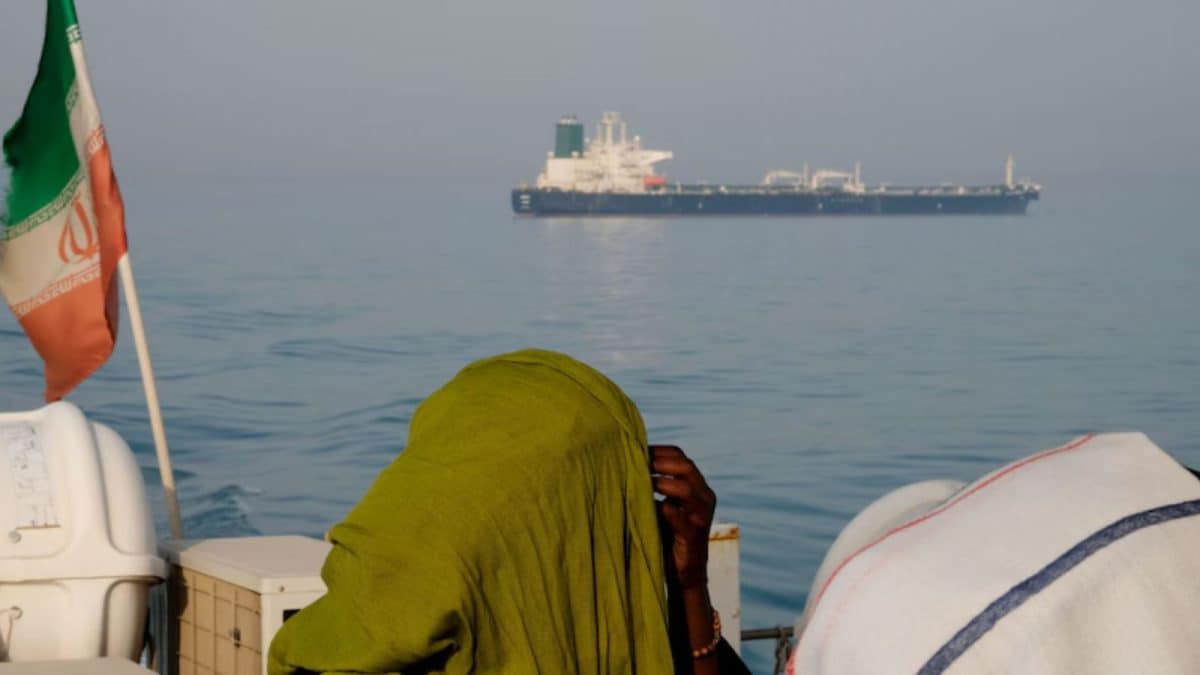
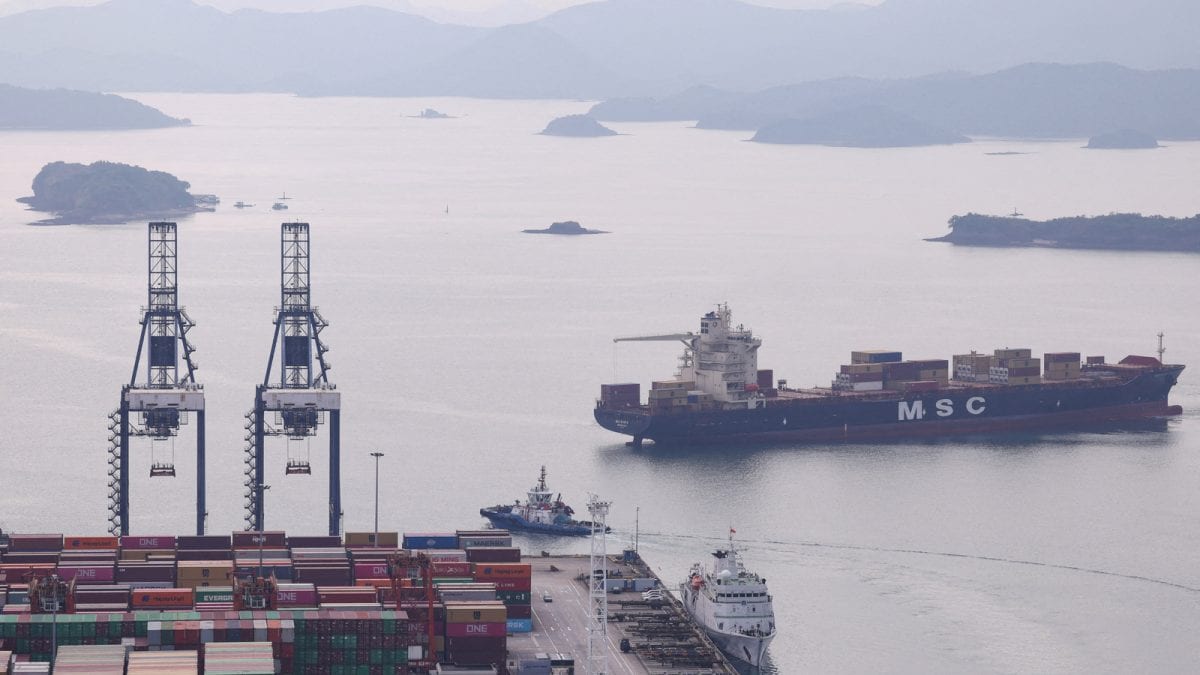
Analysts warn that when a regime perceives an existential threat (e.g., the “unconditional surrender" demands), it may shift into “suicidal aggression," targeting critical non-military infrastructure like desalination plants or global energy chokepoints like the Strait of Hormuz.
LESSON 4. FRAGILE ALLIANCES AND STRATEGIC AUTONOMY
The war highlighted the “strategic loneliness" of nations without an “all-weather" superpower friend.
Israel’s success was largely underpinned by US military and intelligence support, while Iran found its partners (Russia and China) unable or unwilling to intervene directly to protect it.
Countries like India and Turkey found that maintaining “strategic autonomy" is increasingly difficult in a polarized world, as they were forced to manage humanitarian crises (e.g., evacuating millions of diaspora workers) while balancing conflicting diplomatic ties.
With agency inputs
First Published:
March 09, 2026, 19:30 IST
News explainers US-Israel-Iran War Has Set Dangerous Precedents For The World: 4 Key Lessons Explained
Disclaimer: Comments reflect users’ views, not News18’s. Please keep discussions respectful and constructive. Abusive, defamatory, or illegal comments will be removed. News18 may disable any comment at its discretion. By posting, you agree to our Terms of Use and Privacy Policy.
Read More