8 hours ago
Last Updated:March 06, 2026, 13:43 IST
With Tehran’s ability to launch massive ballistic missile barrages weakened, it is new moving to a strategy – fewer shots, more targets


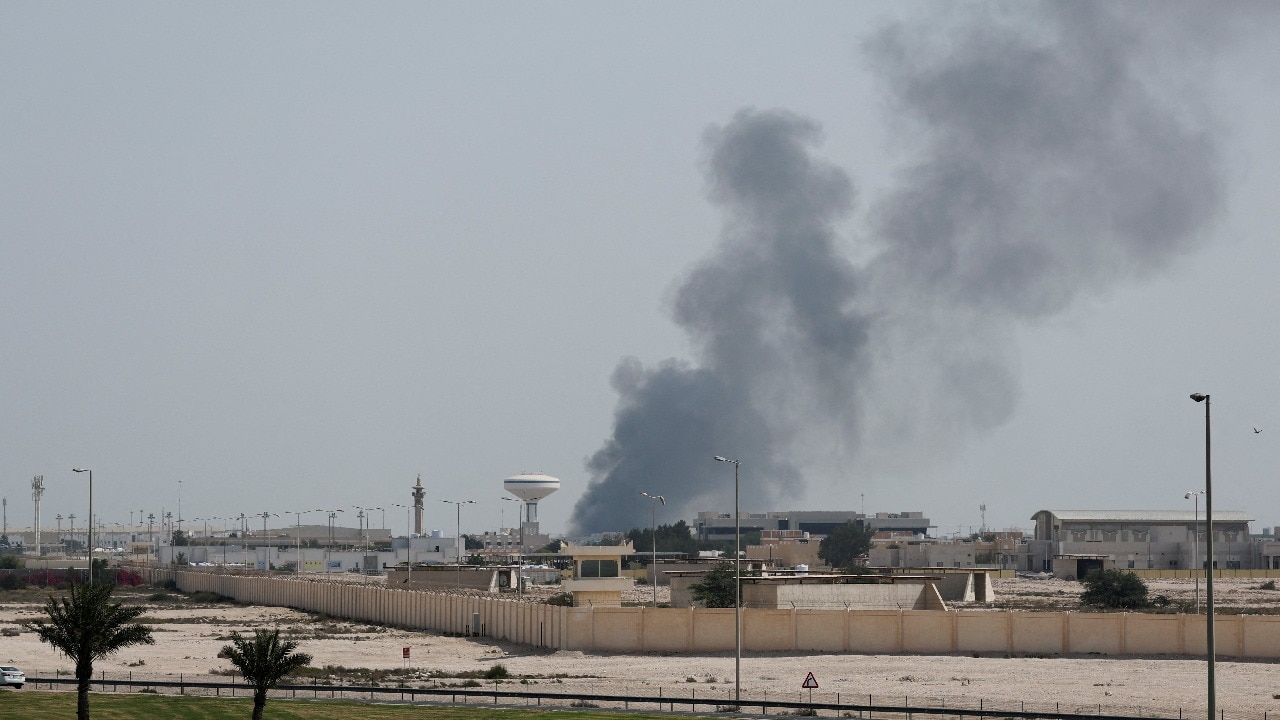
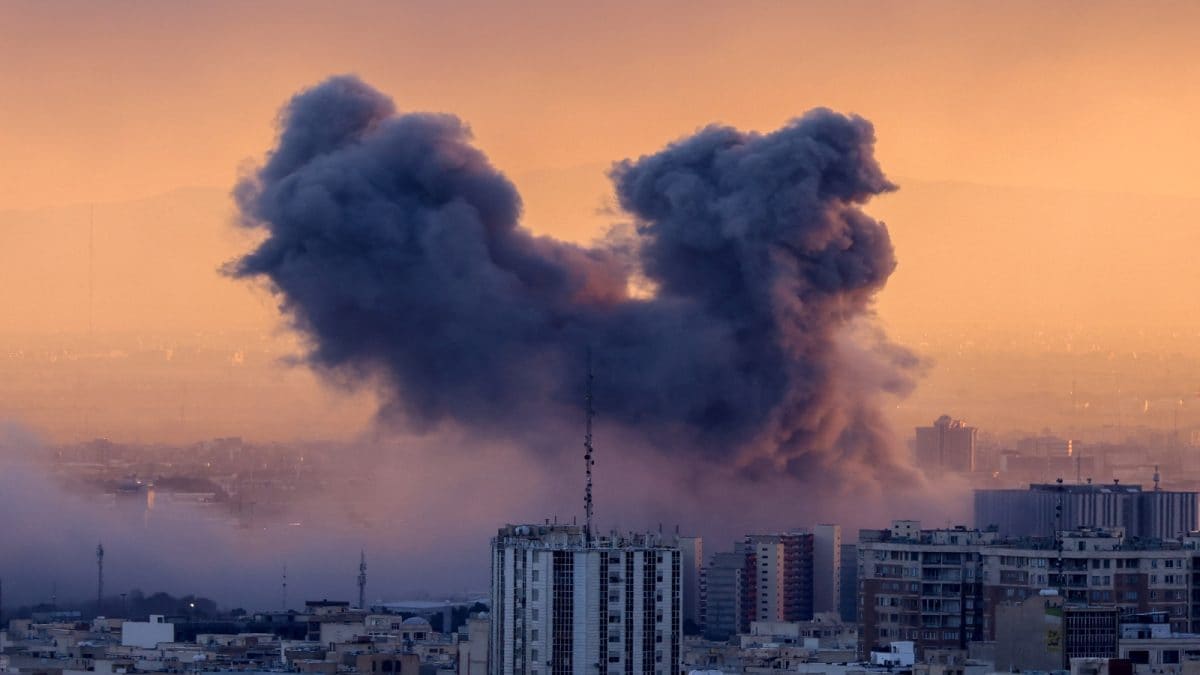
Iran launched waves of missile attacks in the Gulf in retaliation to the US-Israeli attacks on Feb 28. (Reuters)
With the United States and Israeli forces significantly degrading Iran’s missile stockpiles and launchers during Operation Epic Fury, Tehran’s ability to launch massive ballistic missile barrages has weakened. Consequently, it has now pivoted to a new strategy – fewer shots, more targets.
The Wall Street Journal, in an analysis, highlighted how Iran is using low-cost drone attacks across at least 11 countries to impose economic costs on the U.S. and its allies.
Iran’s warfare
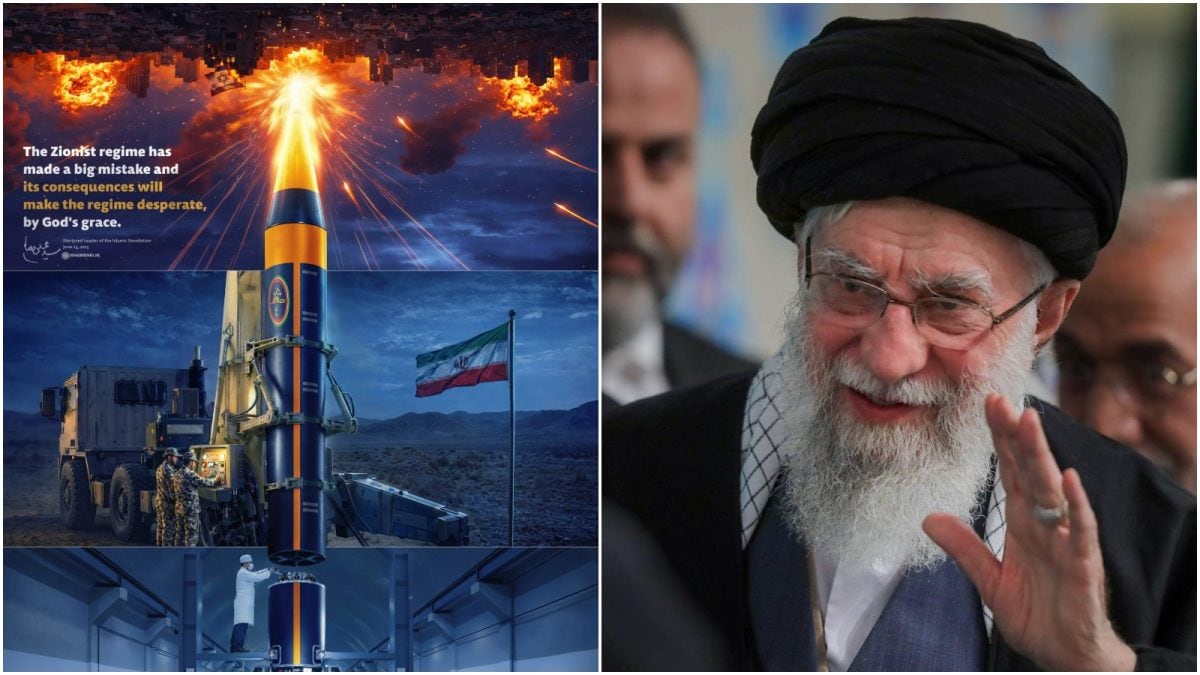
Iran’s IRGC on Friday said its aerospace forces launched the 21st wave of Operation True Promise utilizing swarms of suicide drones and the advanced Khayber missiles with cluster warheads to saturate and bypass the Zionist regime’s multi-layered air defences. The IRGC said the coordinated assault was codenamed “Ya Mu’izz al-Mu’minin."
Iran further said that its retaliatory campaign will intensify in the coming days, with military officials vowing expanded strikes while air defences continue to intercept Israeli and US aircraft and drones across the country.
ALSO READ | US-Israel-Iran War News Live Updates HERE
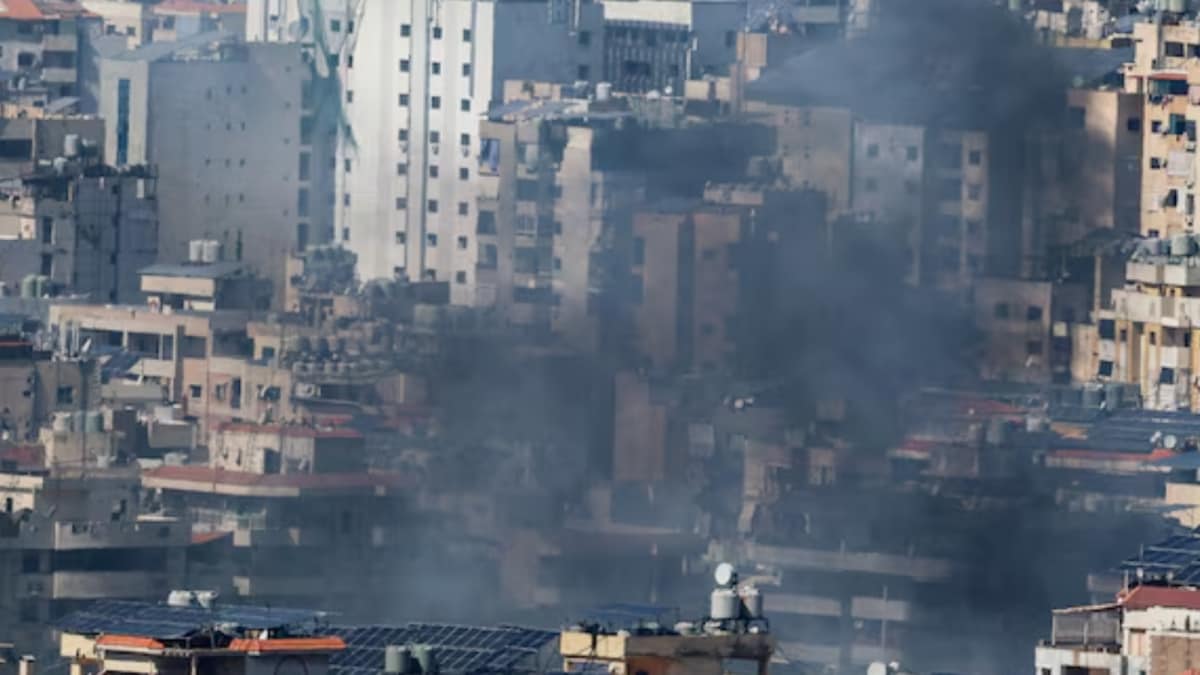
Lieutenant Colonel Ibrahim Zolfaghari, spokesperson for the Khatam al-Anbiya Central Headquarters, told Press TV that Israel has attempted to hide its military resources among civilian areas but Iranian forces are continuing to locate and strike them.
“The cowardly military forces and facilities of the Zionist regime have hidden in civilian and public layers," Zolfaghari said. “But the detection and striking of the aggressors will continue, and in the coming days the trend of attacks will become more intense and widespread."
He added that Iranian air defences had intercepted and destroyed advanced enemy aircraft over several regions of the country. According to Zolfaghari, the latest interceptions bring the total number of enemy drones shot down by Iranian armed forces to more than 75 since the US-Israeli aggression began last Saturday.
In New Delhi, Iranian Deputy Foreign Minister Saeed Khatibzadeh asserted that Tehran has “no option" but to engage in a “heroic nationalist defence" against what he termed an American and Israeli “invasion," vowing that the nation will resist to the “last bullet" and “last soldier."
Where do Iran’s military capabilities stand?
Ballistic Missiles: Launches have plummeted 90% since the start of the conflict. The U.S. Pentagon reported an 86% decrease in theater ballistic missile shots as of mid-week, according to the WSJ.
Drones: One-way attack drone launches have decreased by 83% overall, but they remain Iran’s primary tool for retaliation due to their low cost and ability to evade some air defences.
Air Defenses: Iranian air defenses have been “severely degraded," allowing U.S. and Israeli forces to establish localized air superiority and strike deeper into Iranian territory, according to foreign news media reports.
Regional and Economic Impact
Iran has launched attacks across 11 countries, including Turkey, Cyprus, Azerbaijan, and Gulf states like the UAE and Bahrain.
Attacks have effectively closed the Strait of Hormuz, trapping approximately 20% of the world’s daily oil and liquefied natural gas (LNG) consumption.
Drone strikes have hit Saudi oil facilities and forced Qatar to halt gas exports, pushing U.S. oil prices above $80 a barrel for the first time in over a year.
Six American troops were killed in a drone strike in Kuwait, and drones have struck high-rise buildings and hotels in Dubai and Bahrain.
ALSO READ | Did Iran Trick Israel Into Bombing A Painting Of A Helicopter? IDF Video Sparks Online Debate
What is the fewer shots, more targets strategy?
Iran’s “Fewer Shots, More Targets" strategy is a tactical shift from high-volume missile barrages to widening the conflict across the Middle East using low-cost, persistent drone strikes. This change follows the degradation of Iran’s advanced ballistic missile stockpiles by U.S. and Israeli air strikes during the current 2026 conflict, according to the WSJ.
By targeting at least 11 countries in less than a week—including Gulf states like the UAE, Kuwait, and Qatar—Iran aims to impose massive economic costs on U.S. allies and jolt global energy markets.
Tehran is attempting to create a “general risk perception" to pressure the U.S. political establishment into halting its military campaign before the U.S. midterm elections.
The strategy forces defenders to use expensive interceptors (e.g., $4 million Patriot missiles) to destroy cheap drones (approx. $20,000–$50,000), creating a significant economic imbalance for the U.S. and its partners.
Attacks on major airports (like Dubai ) and energy hubs (like Saudi Arabia’s Ras Tanura refinery) are designed to spread the risks of the war beyond Israel, according to reports in foreign media.
Iran’s Tactics
Asymmetric Endurance: Iran accepts initial damage to its infrastructure while preserving its ability to escalate when allied air defenses are stretched thin.
Drone Swarms: Utilizing the Shahed-136 “kamikaze" drones in large numbers to overwhelm radar systems.
Maritime Chokeholds: Official closure of the Strait of Hormuz to halt global energy shipments and drive up oil prices.
Decentralised Command: Authority for strikes has been decentralized to prevent U.S.-Israeli “decapitation" strikes from crippling Iran’s response, said reports.
U.S. and Allied Response
The U.S. has deployed over 50,000 troops, 200 fighters, and two aircraft carrier strike groups (USS Gerald R. Ford and USS Abraham Lincoln) to the region.
CENTCOM reported striking nearly 2,000 targets within Iran using more than 2,000 munitions in the first 100 hours of the operation.
NATO and regional partners, including Jordan, Saudi Arabia, and the UAE, have increased their ballistic missile defense postures to intercept continuing Iranian threats.
With Agency Inputs
First Published:
March 06, 2026, 13:30 IST
News explainers US-Israel Depletes Iran’s Missile Stockpiles, Tehran Pushes ‘Less But More’ Strategy | Explained
Disclaimer: Comments reflect users’ views, not News18’s. Please keep discussions respectful and constructive. Abusive, defamatory, or illegal comments will be removed. News18 may disable any comment at its discretion. By posting, you agree to our Terms of Use and Privacy Policy.
Read More