14 hours ago
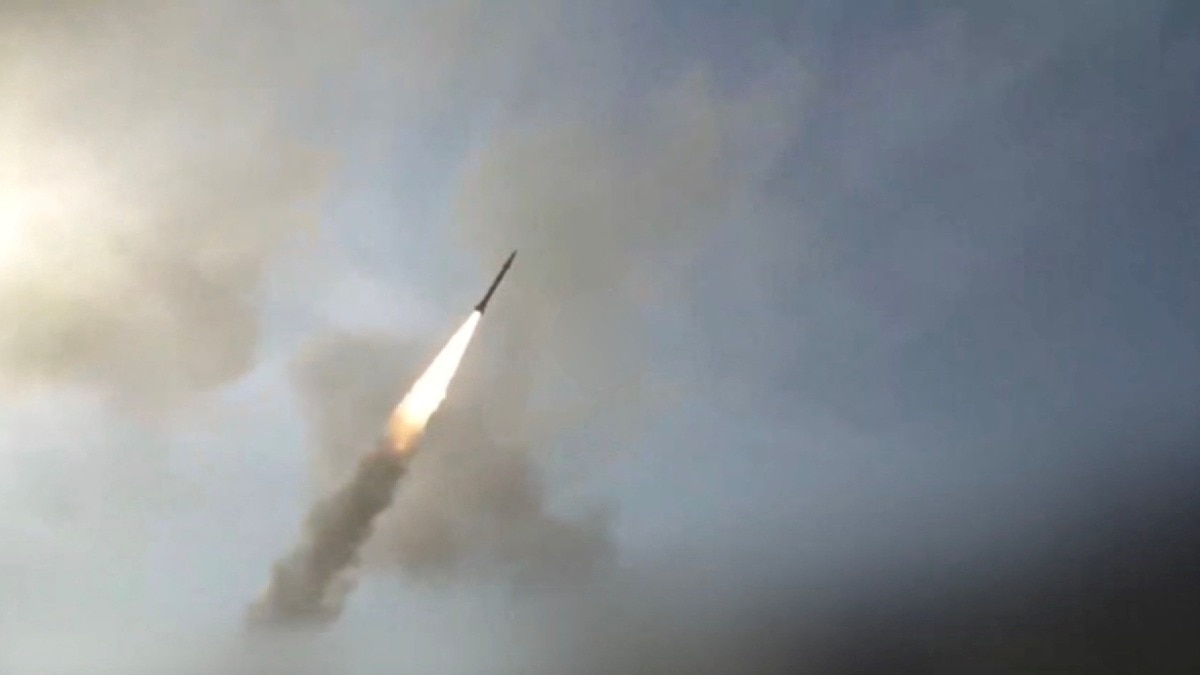
The United States launched fresh airstrikes on Iran as Tehran hit Bahrain and Kuwait. The exchanges have pushed the war closer to a wider regional crisis and jolted oil and shipping markets.

Dubai,UPDATED: Jul 20, 2026 18:46 IST
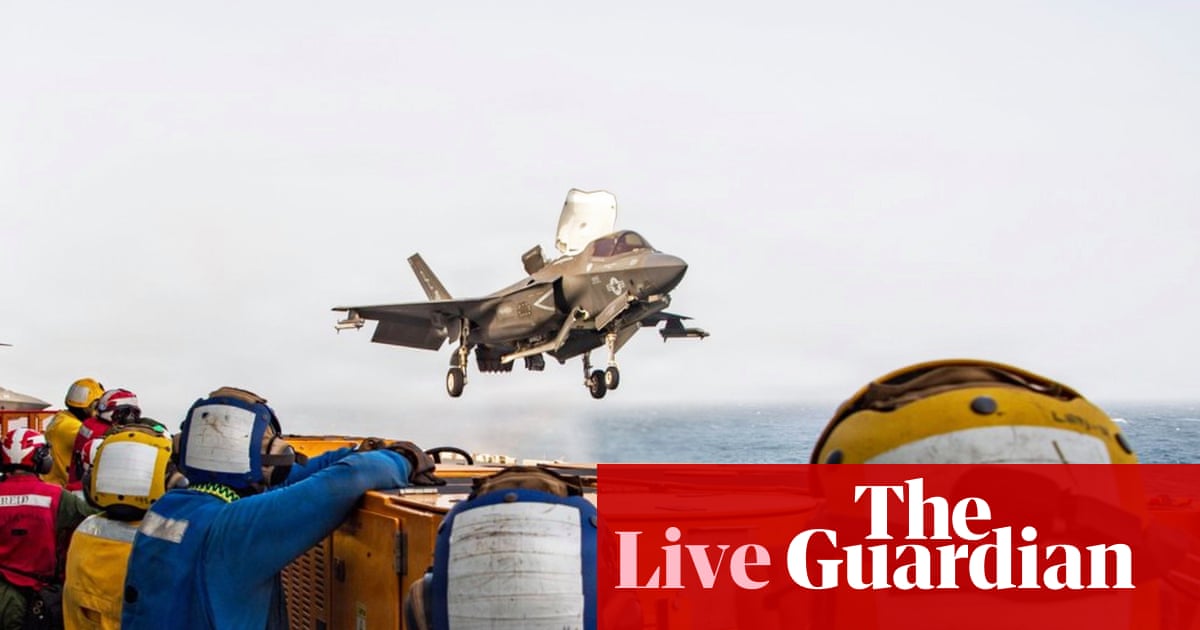
The United States carried out a fresh round of airstrikes on Iran early Monday, hours after announcing the death of another American service member, as the conflict between the two countries continued to widen. Iran responded by launching attacks targeting Bahrain, home to the US Navy's 5th Fleet, and Kuwait, underlining how both sides have moved closer to a wider war.
The latest escalation has also deepened pressure on global energy markets and shipping. Last month's interim deal aimed at permanently ending the fighting has fallen apart, traffic through the Strait of Hormuz has largely stalled, and both sides have struck civilian infrastructure used by millions. Benchmark Brent crude rose above USD 90 a barrel on Monday, while regular petrol in the US climbed to an average of USD 4 a gallon.
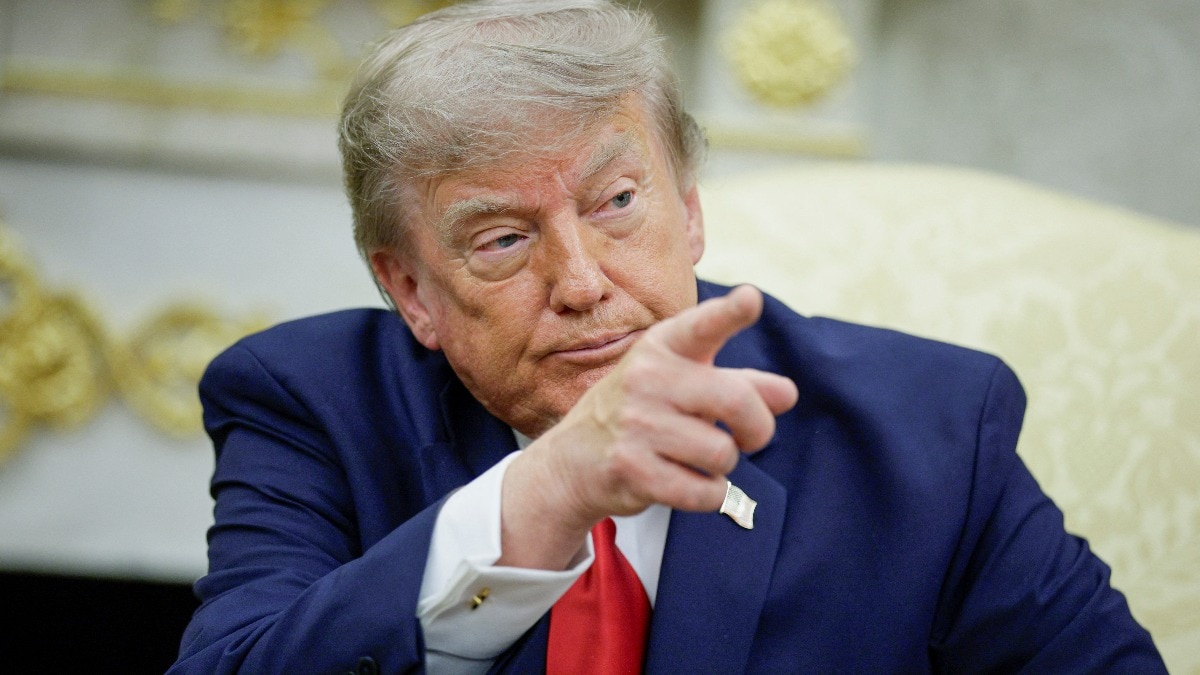
The US military said the American service member was killed in Iraq on Saturday during the "controlled detonation" of a downed Iranian drone. "We hit them very hard again tonight," US President Donald Trump said. "And we did that in honour of" the soldiers killed, he said.
US Central Command said the latest operation was the ninth straight night of strikes. It said it targeted "Iranian military command centres, air defence and coastal surveillance sites, maritime capabilities, missile and drone launch sites and communications networks".
Iran's state-run IRNA news agency reported that the American strikes killed at least one person near Tabriz, a northwestern city about 520 km from Tehran. Tabriz is believed to host underground missile bases run by Iran's paramilitary Revolutionary Guard. IRNA also said strikes likely hit Bandar Imam Khomeini in Khuzestan province, Sirik and Jask in Hormozgan province, and Konarak and Chahbahar in Sistan and Baluchistan province.
As the strikes began, a vessel caught fire early Monday in the Strait of Hormuz after being hit by a projectile near the coast of Oman, according to the British military's United Kingdom Maritime Trade Operations centre. The crew abandoned the vessel, which remained adrift and on fire for hours. The route around Oman has been the one the US military has encouraged ships to use to avoid Iran's control, but the Revolutionary Guard later claimed it was targeting tankers in the strait.
Iran has also hit US-allied countries across the Middle East. Bahrain sounded missile alert sirens on Monday morning, while Kuwait said its air defences were firing at an incoming Iranian barrage.
A fresh pressure point for world energy markets emerged after Yemen's Houthi rebels announced on Monday a maritime embargo against Saudi Arabia in response to an attack on Sanaa Airport last week. With the Strait of Hormuz blocked, Saudi Arabia has been relying on a pipeline to move oil through the Red Sea.
Trump has threatened to target Iran's power stations and bridges in an effort to force Tehran to loosen its grip on the Strait of Hormuz, through which one-fifth of the world's oil supply moved before the war. Recent attacks suggest the US military is carrying out that plan. The US also reimposed a naval blockade on Iranian ports last week to stop crude shipments, and the military said on Saturday that it had redirected six ships and disabled one since then.
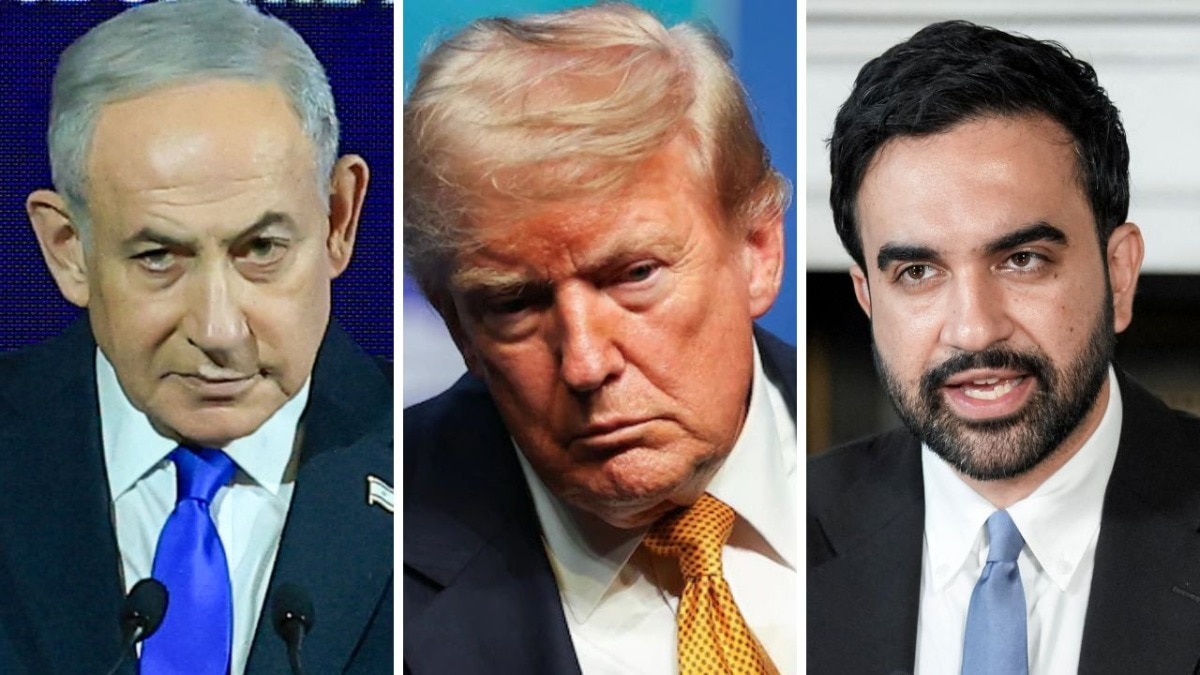
The conflict has now passed the halfway mark in the 60-day period set by the interim deal to negotiate a permanent end to the war and address other issues, including Iran's nuclear programme. US Secretary of State Marco Rubio said Washington remained open to talks, but added that "it has to be real". "We're going to continue to respond. If the door opens to diplomacy - if the guys that want to do something productive for Iran win and take control of that system, or take control of the negotiations - that'll be a very positive development," Rubio said. "That's not where we are tonight, unfortunately."
Hours later, Iranian Foreign Ministry spokesperson Esmail Baghaei said that "proposals conveyed through mediators have been communicated to us," but did not give details. In an essay published Monday by Foreign Policy, former Iranian foreign minister Mohammad Javad Zarif wrote that the interim "deal could never survive such dissonance" over the Strait of Hormuz. "As the current conflict makes clear, Washington cannot eliminate the Iranian government," Zarif wrote. "Only diplomacy, a new peace agreement, and a new security framework produced by regional states and for regional states will allow the United States to turn its attention elsewhere." He also warned that "if Iran repeatedly threatens maritime traffic, it could turn much of the world against it."
Iranian authorities said on Sunday that at least 50 people had been killed and 517 wounded in the latest rounds of US strikes. Since the war began on February 28, 17 US service members have been killed. The latest exchanges showed the fighting spreading further even as both sides continued to speak of possible diplomacy.
With PTI Inputs
- Ends
Published By:
India Today Web Desk
Published On:
Jul 20, 2026 18:46 IST