 1 month ago
The talks, mediated by Oman and held under tight security at the residence of the Omani ambassador to the United Nations, mark the latest attempt to resolve a long-running dispute over Iran's nuclear activities.
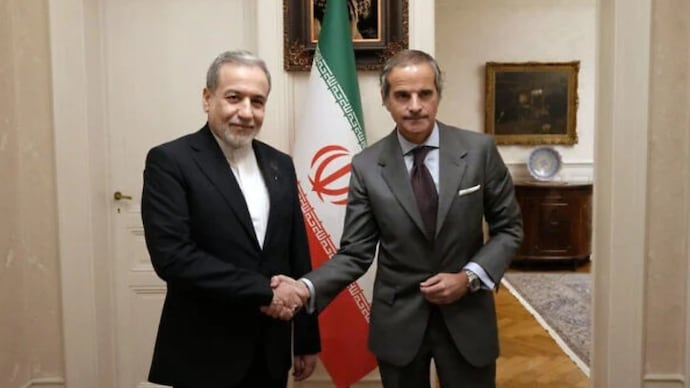
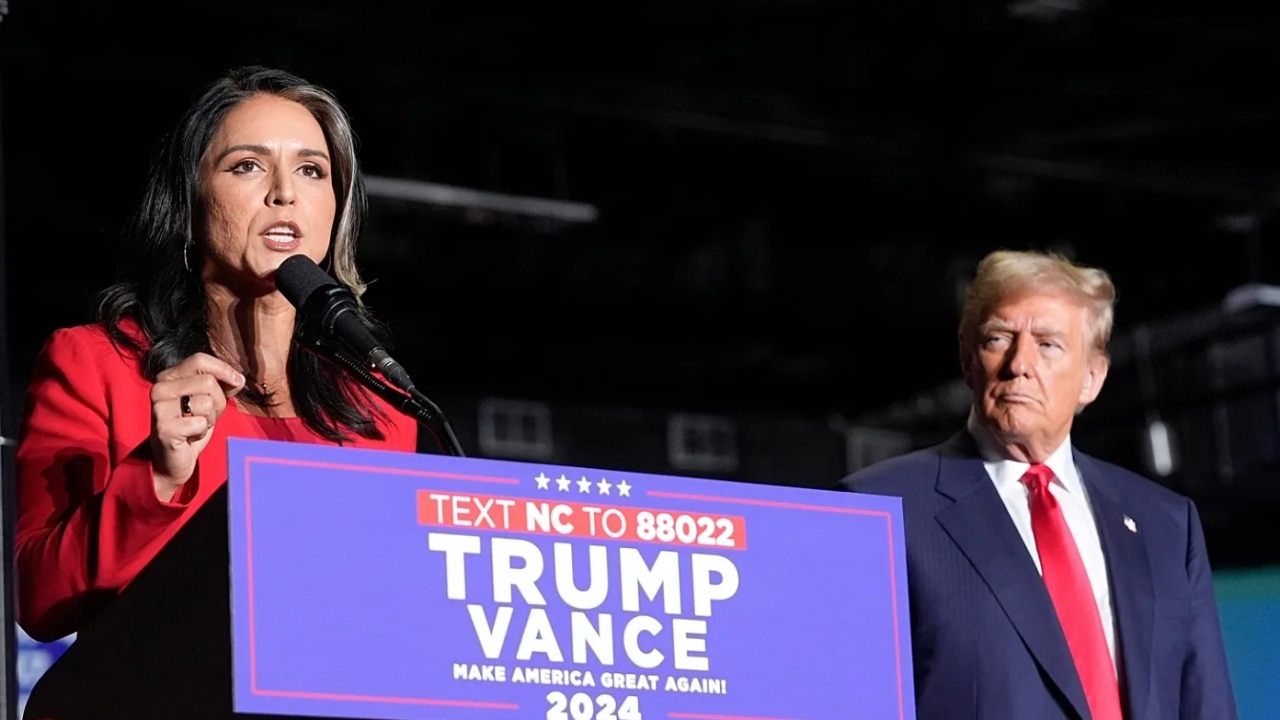
The talks are taking place against a backdrop of escalating regional tensions.(Photo: AP)

UPDATED: Feb 17, 2026 17:48 IST
The United States and Iran resumed indirect nuclear negotiations in Geneva on Tuesday over Tehran's nuclear activities as it partially shut the Strait of Hormuz to conduct military drills amid mounting regional tensions, with each side warning of consequences if diplomacy fails.
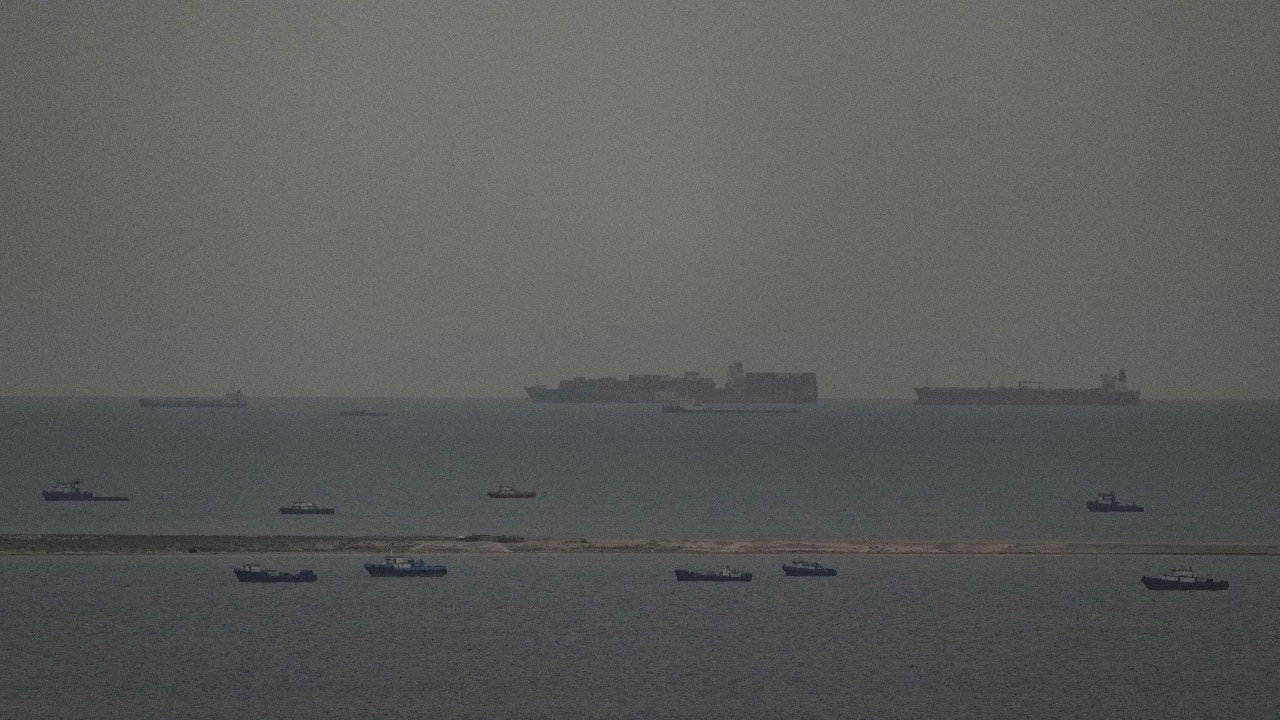
The talks -- mediated by Oman and held under tight security at the residence of the Omani ambassador to the United Nations -- mark the latest attempt to resolve the tensions. They come alongside an expanding US military presence in the Middle East and Iranian live-fire drills in the Strait of Hormuz, a vital global oil transit route.
Iranian Foreign Minister Abbas Araghchi, who is leading Tehran’s delegation, said before the meeting: "I am in Geneva with real ideas to achieve a fair and equitable deal. What is not on the table: submission before threats."
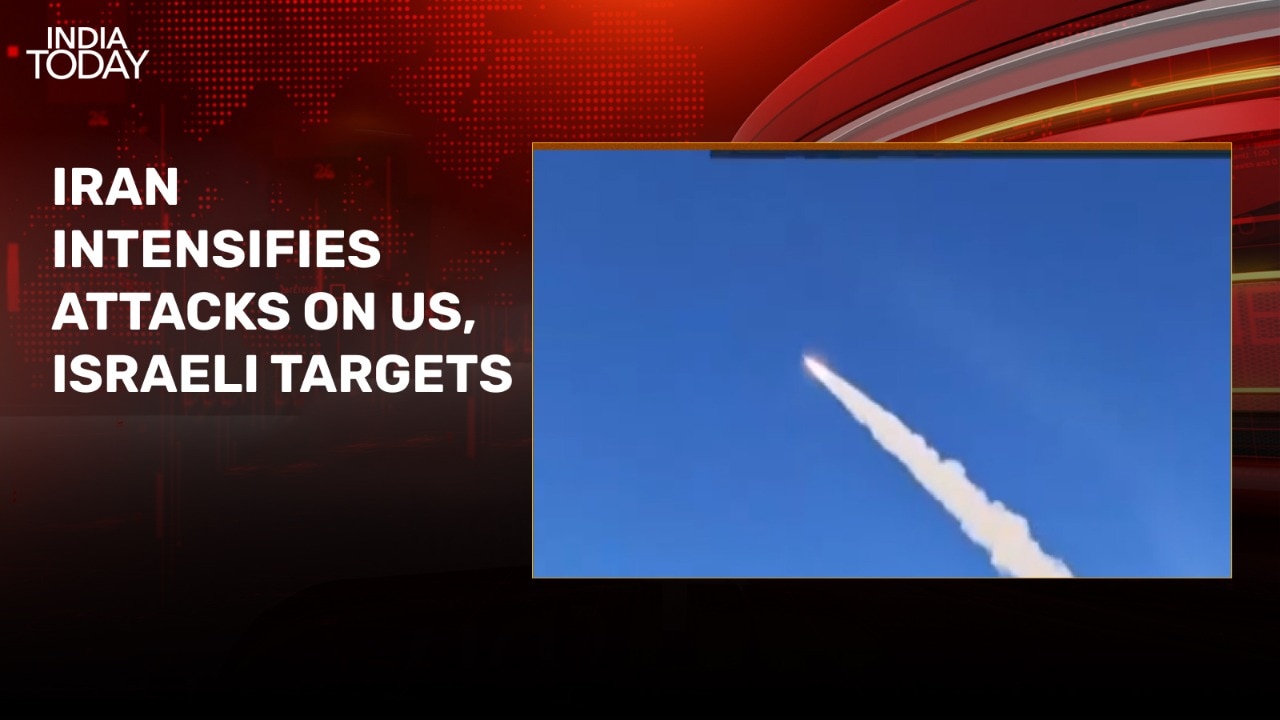
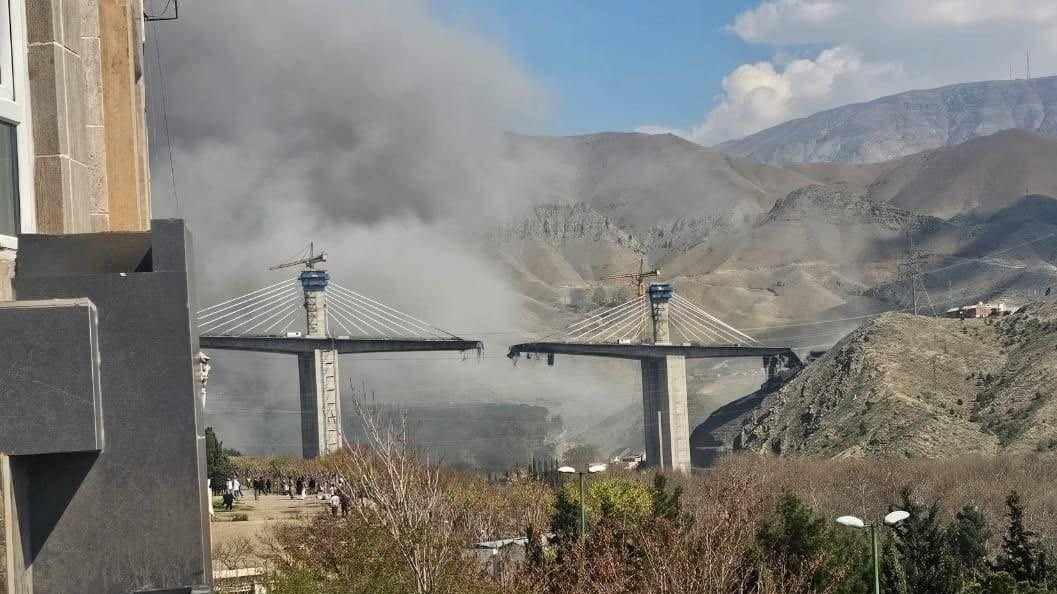
Iranian state media reported that missiles launched from within Iran and along its coast struck targets in the Strait of Hormuz during drills timed with the talks. Authorities also announced temporary closure of parts of the waterway for safety during live-fire exercises.
The negotiations follow earlier rounds in Oman and take place as both sides signal readiness for escalation. Washington has increased its regional military deployments, while Tehran has carried out missile and maritime exercises in waters through which about a fifth of global oil supplies pass.
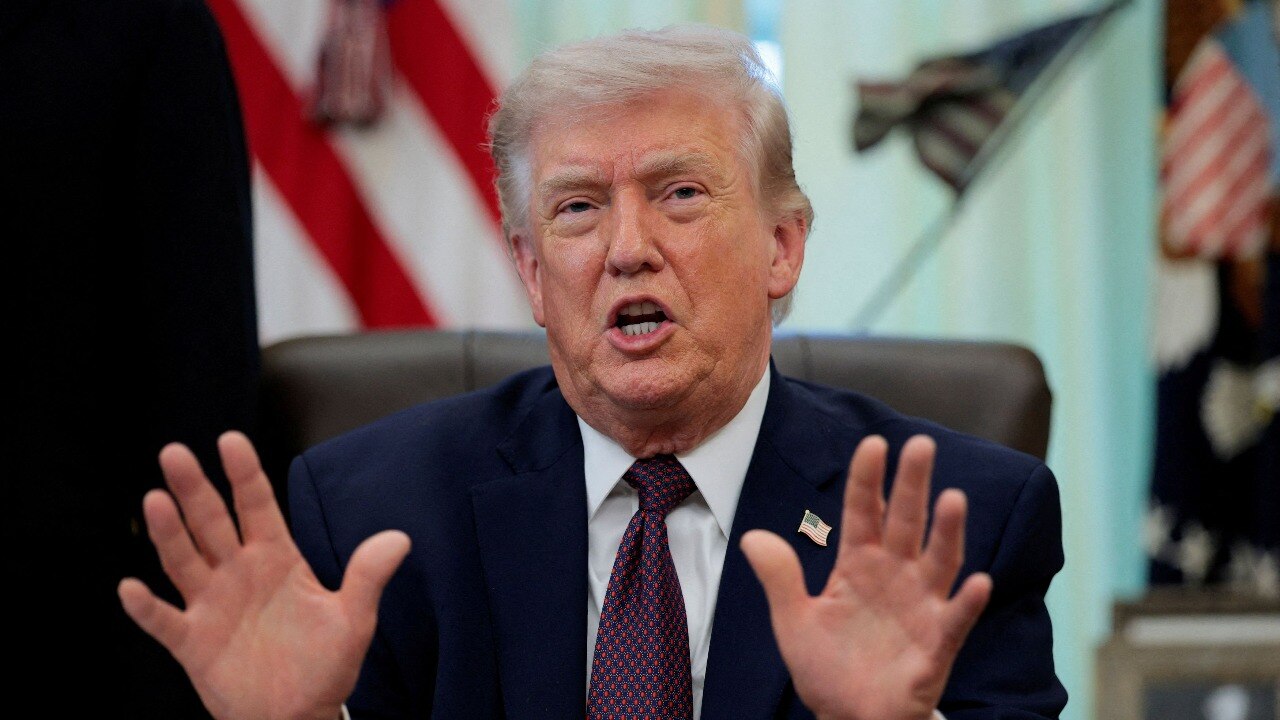
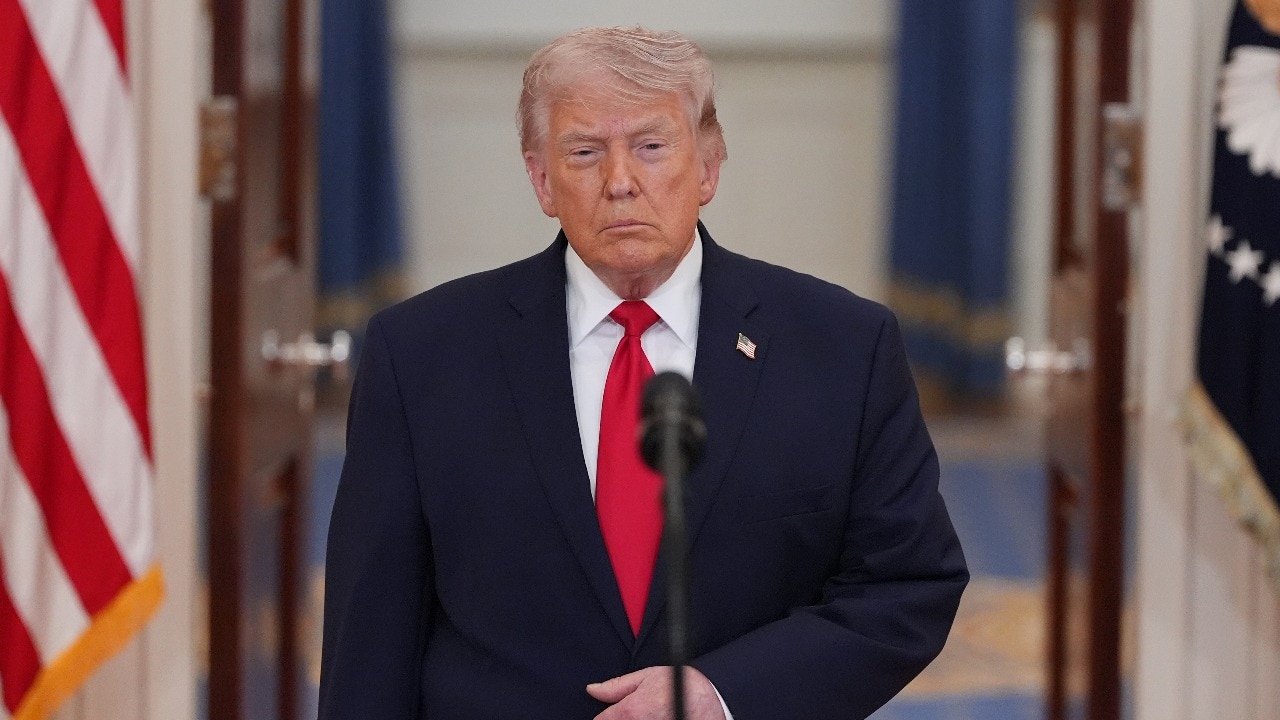
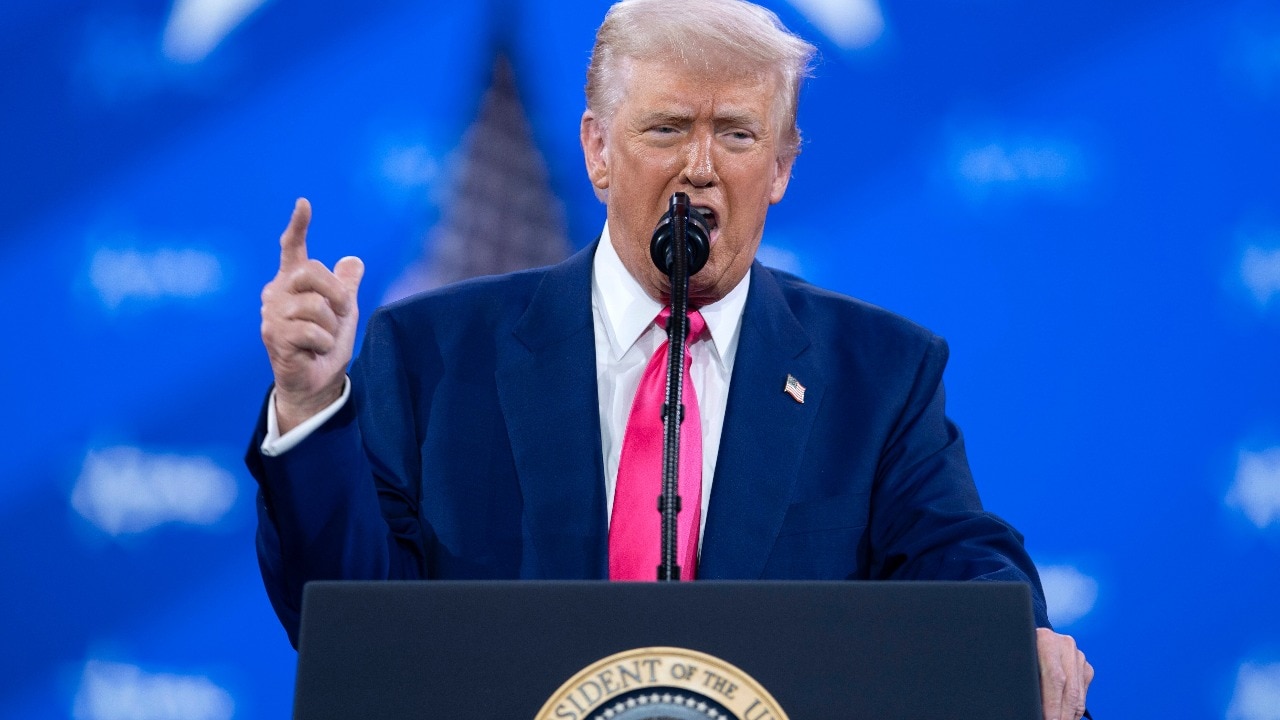
Ahead of the talks, US President Donald Trump said he would be involved "indirectly" in the negotiations and expressed confidence that Tehran wanted an agreement. "I think they want to make a deal. I don’t think they want the consequences of not making a deal," he told reporters aboard Air Force One.
US officials have warned that military options remain available if diplomacy collapses. Trump has repeatedly threatened force to compel limits on Iran’s nuclear programme and has said “regime change” could be the best outcome for Iran.
Tehran also fired back. Iran’s Supreme Leader, Ayatollah Ali Khamenei, said Washington could not impose its will through threats. "The US President says their army is the world's strongest, but the strongest army in the world can sometimes be slapped so hard it cannot get up," Iranian media quoted him as saying.
In separate remarks carried by Iranian state television, he added: "Of course a warship is a dangerous apparatus, but more dangerous than the warship is the weapon that can sink the warship into the depths of the sea,” and warned that “forcing the result of talks in advance is a wrong and foolish job."
- Ends
With inputs from agencies
Published By:
Satyam Singh
Published On:
Feb 17, 2026
Tune In