1 hour ago
The United States launched fresh airstrikes across Iran after attacks on ships in the Strait of Hormuz. Iran retaliated against Gulf states hosting US assets, deepening doubts over the interim truce.

Dubai,UPDATED: Jul 9, 2026 13:00 IST
The United States launched fresh airstrikes on Iran early Thursday, while Tehran responded by targeting Bahrain, Kuwait and Qatar, in an escalation that again put a fragile interim deal under strain. The exchange followed US President Donald Trump's statement that recent Iranian attacks on ships in the Strait of Hormuz showed the ceasefire was effectively over.
The latest strikes came after the US hit military sites and port facilities early Wednesday in response to Iran targeting merchant vessels off the coast of Oman. Thursday's attacks appeared wider in scale, with sirens sounding at least twice in Bahrain, which hosts the headquarters of the US Navy's 5th Fleet. There was no immediate word on damage in Bahrain, Kuwait or Qatar from the attacks claimed by Iran's military.
In Iran, two days of American airstrikes have killed at least 14 people and injured 78 others, the Health Ministry said on Thursday in its first overall casualty count.
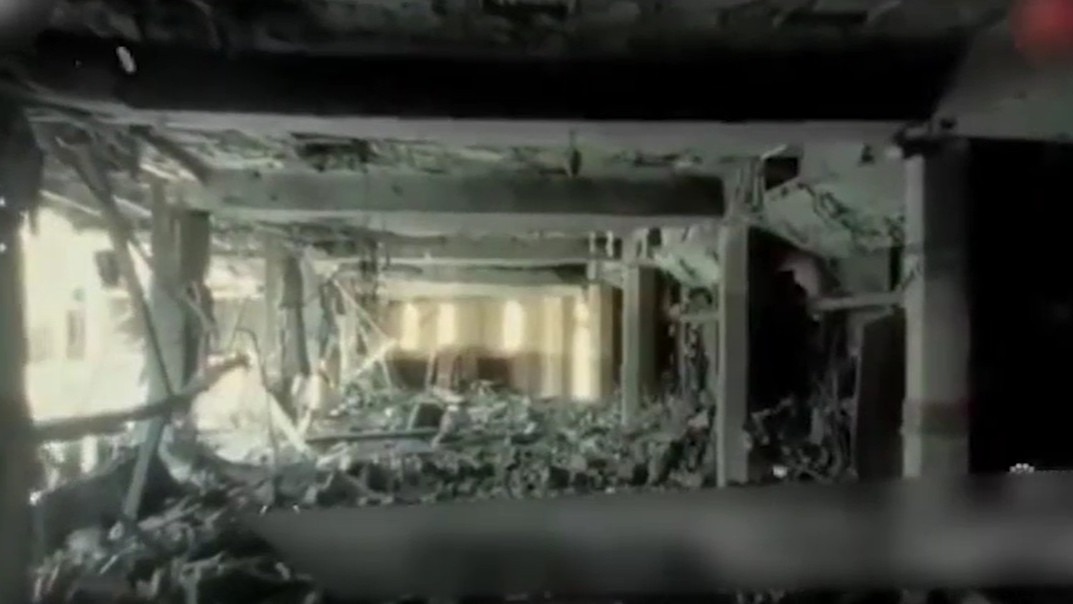
The US military's Central Command said it struck about 90 targets across Iran and released black-and-white footage that appeared to show attacks on an airport runway and missile launchers. "US forces remain vigilant, lethal, and prepared to execute operations directed by the Commander in Chief," it said.
The US said the strikes were meant to "further degrade" Iran's ability "to threaten freedom of navigation" in the strait, through which a fifth of the world's traded oil and natural gas passed before the war began with US and Israeli attacks on February 28.
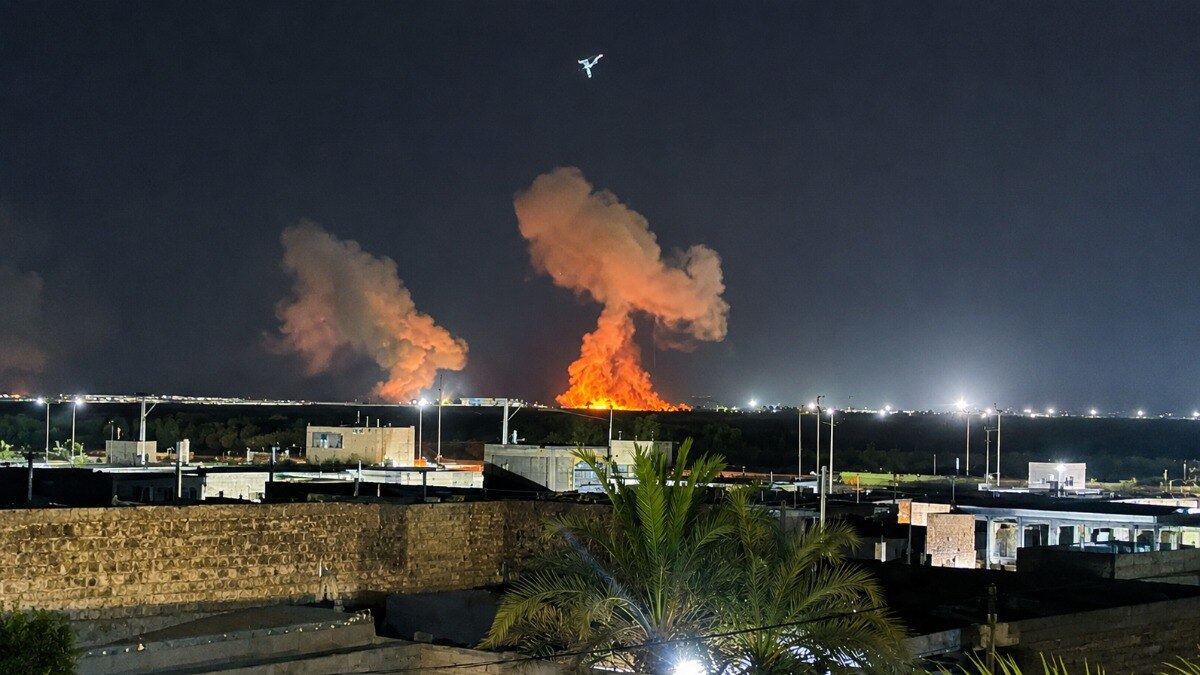
Iranian state media reported explosions in several places, including Bushehr, home to Iran's nuclear power plant complex, and the southern port cities of Chabahar, Konarak, Bandar Abbas and Sirik. In Khuzestan province, at least three people were killed on Thursday, state media said. In Iranshahr, authorities said a strike also killed a firefighter at an airport. Those deaths followed the killing of at least nine members of Iran's armed forces in Wednesday's strikes. It was not clear when the other fatality happened or who was killed.
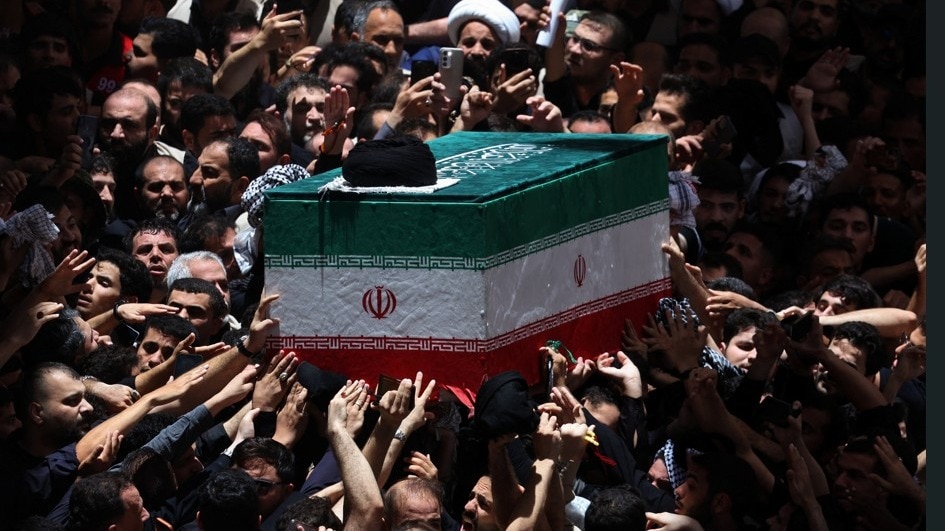
For the first time since April, the US strikes also appeared to target Iranian bridges. State media reported a strike on a railway bridge in Golestan province, while the Revolutionary Guard said two bridges had been attacked on the route to Mashhad, where officials plan to bury the late Ayatollah Ali Khamenei on Thursday. It was not clear whether the Golestan strike was the same attack referred to by the Guard.
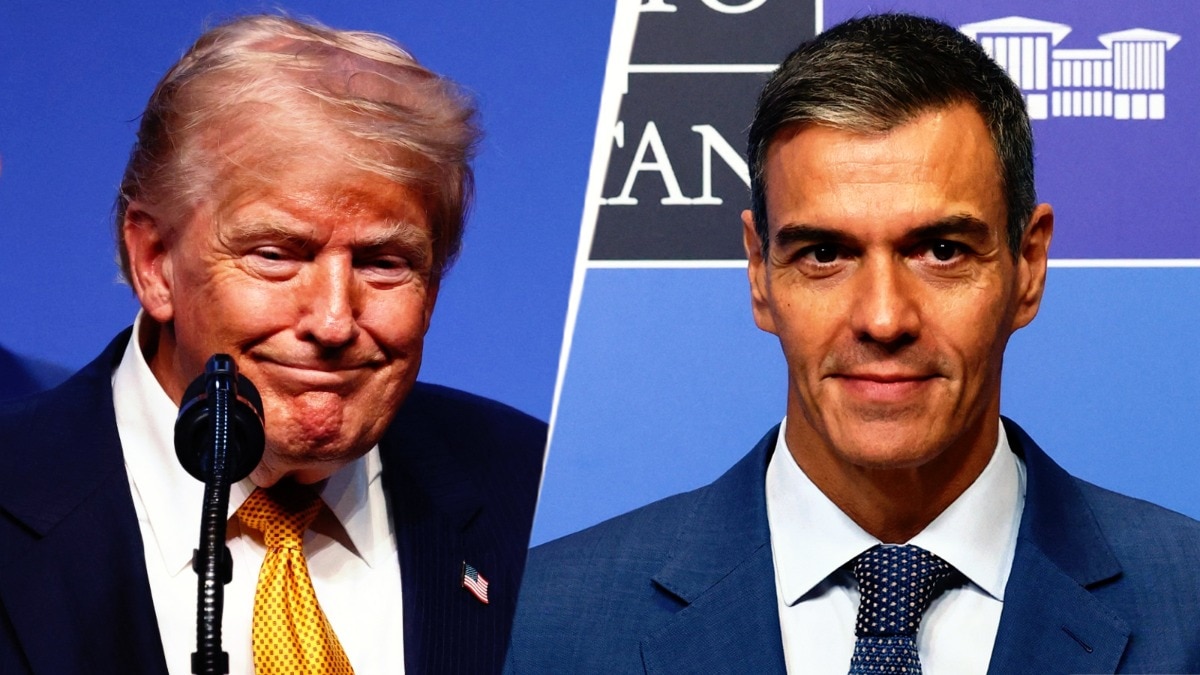
After leaving a NATO summit in Turkey, Trump posted videos on social media of what he said were explosions in Iran and warned Tehran again. "This is in retribution for yesterday's bombing of ships by Iran. If it happens again, it will get much worse!" Trump wrote.
Earlier in the day, Trump had said the latest fighting would not lead to "long-term" military action. "Anything that happens is going to happen very fast," he said, though he also suggested the US military might "just finish the job." He also renewed earlier threats to hit Iran's civilian infrastructure, including electric plants and desalination plants, and to seize the oil-production hub of Kharg Island.
After three tankers were hit on Tuesday, the US launched strikes on Iran, and Iranian forces retaliated by targeting American military sites in the Persian Gulf. Iran has said the interim ceasefire deal gives it the right to manage traffic through the strait. Parliament Speaker Mohammad Bagher Ghalibaf, a key negotiator in talks aimed at a permanent end to the war, wrote on X on Thursday morning: "America still hasn't learned that bullying and breaking promises are no longer cost-free. Let me put it plainly: if you strike, you'll get hit."
Trump added to concerns of a wider conflict by saying the interim agreement to pause fighting was "over", though he said negotiations could continue. "For me, I think it's over," he said when asked about the ceasefire. He added that US representatives could keep talking, but questioned the point of it. "They can talk, but I think they're wasting their time," he said.
Iranian Deputy Foreign Minister Kazem Gharibabadi, also a senior negotiator, replied on X that Trump's remarks "are not a sign of power but an admission of the failure" of US policy towards Iran. Trump has also repeated threats to seize Kharg Island, including last month when he questioned whether the US "has the stomach for it". Around 90 per cent of Iranian oil exports pass through the island.
The latest attacks on ships in the strait, despite negotiations, may reflect differences within Iran's leadership. Hard-liners want lasting control over the waterway, while pragmatists want a permanent peace deal to ease sanctions and bring economic relief. Talks on a final agreement were due to begin after Khamenei's funeral, which ends on Thursday and had been expected to be a period of lower tensions. The negotiations are meant to address the most difficult issues, including fully reopening the strait and rolling back Tehran's disputed nuclear programme. Overall, the fresh strikes and sharp exchanges have again cast doubt on the interim truce and the prospects of a lasting settlement.
With PTI Inputs
- Ends
Published By:
India Today Web Desk
Published On:
Jul 9, 2026 13:00 IST