2 hours ago
The United States struck around 140 Iranian targets after Tehran hit a vessel in the Strait of Hormuz. Iran retaliated across the Gulf, pushing the fragile ceasefire closer to collapse.

Stock photo used for illustration

Dubai,UPDATED: Jul 12, 2026 19:02 IST
The United States carried out a major attack on Iran early on Sunday after an Iranian strike on a vessel in the Strait of Hormuz set a container ship on fire and forced its crew to abandon it. Iran then hit several countries in the Middle East, including Bahrain, Kuwait, Qatar, Oman and Jordan, in a fresh burst of fighting that has cast doubt on efforts to secure a permanent end to the war.
The latest violence has again put the Strait of Hormuz at the centre of the conflict. The waterway, a key route for oil and natural gas, has become the main sticking point in negotiations during a 60-day interim ceasefire that began on June 17. US President Donald Trump had declared the war "over" three days ago, but repeated fighting over the past week has left talks at risk of collapse.
The US military's Central Command said it struck about 140 targets on Sunday, including missile and drone launch sites, ammunition dumps, communication equipment and other sites. It said the operation was heavier than previous attacks in recent days and would weaken Iran's ability to threaten civilian shipping. "Iran made a poor choice. Now they pay," US Defence Secretary Pete Hegseth wrote online. Semiofficial Iranian news agencies said an Iranian navy officer was killed in the early morning attack. Iranian state media also reported US strikes in southern Iran, in the province closest to the Strait of Hormuz, and on military sites in a province near Tehran.
Iran then launched attacks at countries in the region that host US military forces, while insisting that it alone must control the strait and could charge vessels for travelling through it. "The era of one-sided deals is OVER," Mohammad Bagher Ghalibaf, speaker of Iran's parliament and a main negotiator, wrote on Sunday. "We told you: keep your word or pay the price. Reality is knocking." Iran also said the strait would remain closed "until further notice" and warned it could target "additional enemy bases in the region" if it faced more attacks.
Missile alerts sounded across several Gulf Arab countries early on Sunday. Qatar's military said it intercepted incoming Iranian fire, while explosions were heard in the neighbouring United Arab Emirates. Qatar's Interior Ministry said three people, including a child, were wounded by falling shrapnel from the interception, without giving further details on their condition. Bahrain, home to the US Navy's 5th Fleet, also sounded missile alerts, and Kuwait's military said it was intercepting incoming fire. The Omani state news agency said drones struck sites in an area on the Strait of Hormuz and issued a shelter-in-place warning for residents there. The strikes came after the two countries held talks on Saturday, and Oman later summoned the Iranian ambassador to protest. Jordan's state news agency said three Iranian missiles hit areas across the country, causing minor damage but no injuries. Sirens also sounded in the UAE, though the government said missiles did not cross into its borders.
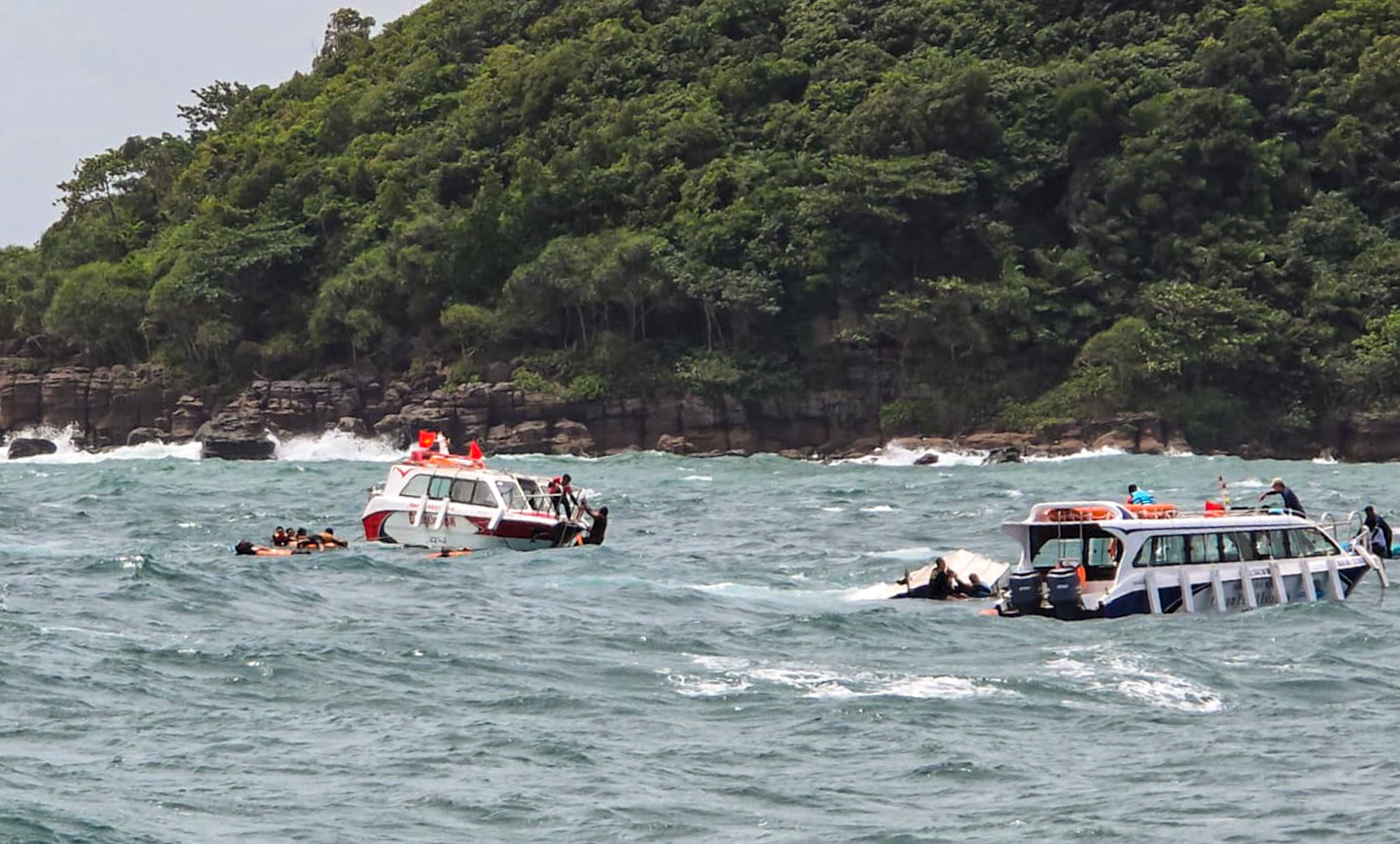
At sea, the US Central Command said a Cyprus-flagged container ship was hit by Iran in the Strait of Hormuz and suffered "significant engineroom damage". Oman's maritime authority said it rescued 23 crew members from the vessel, but one person was still missing. India's Ministry of External Affairs said the missing crew member is an Indian national and that it was working with Oman to locate him. The United Kingdom Maritime Trade Operations centre, overseen by the British military, said the ship had been hugging Oman's shoreline, the route vessels have been using to enter and leave the Persian Gulf while avoiding Iranian territorial waters.
Iran has sought to maintain control over transit through the strait during the ceasefire. Its paramilitary Revolutionary Guard said multiple vessels had "disregarded our warnings" and ignored instructions to follow what it called an approved route. It said one of them "was struck by a warning shot and brought to a stop". Before the war began on February 28, about a fifth of all traded oil and natural gas passed through the strait. Iran's control over it during the war triggered a global energy crisis, though oil prices have dropped sharply from wartime highs of USD 120 a barrel.
The latest violence followed Saturday's meeting between the foreign ministers of Iran and Oman to discuss the strait, which lies in the territorial waters of both countries but has long been treated as an international waterway. Oman said both sides agreed to continue discussions on the Strait of Hormuz "at the technical and political levels", though Iran did not say the route would be open to all, something sought by the Trump administration. Mediators including Pakistan, Qatar and Egypt are still trying to secure an agreement, and a regional official involved in the effort said on condition of anonymity that attempts to shore up the ceasefire were continuing on Sunday. In his first statement since the funeral of his father, Ayatollah Ali Khamenei, Iran's new supreme leader Ayatollah Mojtaba Khamenei also said Iranians would avenge his killing in the war's opening strikes on February 28. Such revenge "is the will of our nation and must certainly be carried out," he said. Overall, the US strikes, Iran's regional retaliation and the renewed dispute over the Strait of Hormuz have left the interim ceasefire under fresh strain.
With PTI Inputs
- Ends
Published By:
India Today Web Desk
Published On:
Jul 12, 2026 19:02 IST