1 hour ago
Despite initial interest shown by the UAE, it failed to name a local partner for outsourcing the management and operations of Islamabad Airport, indicating disinterest on Abu Dhabi's part.
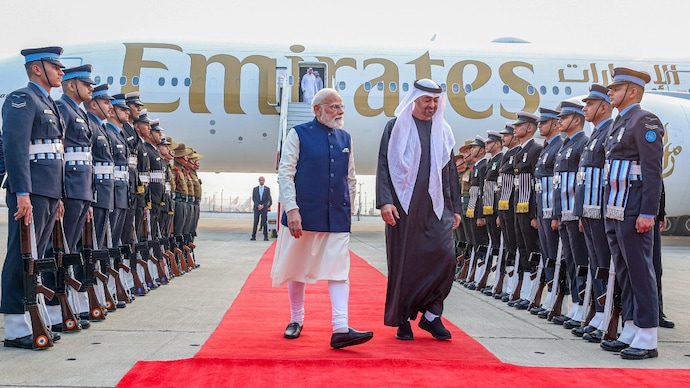
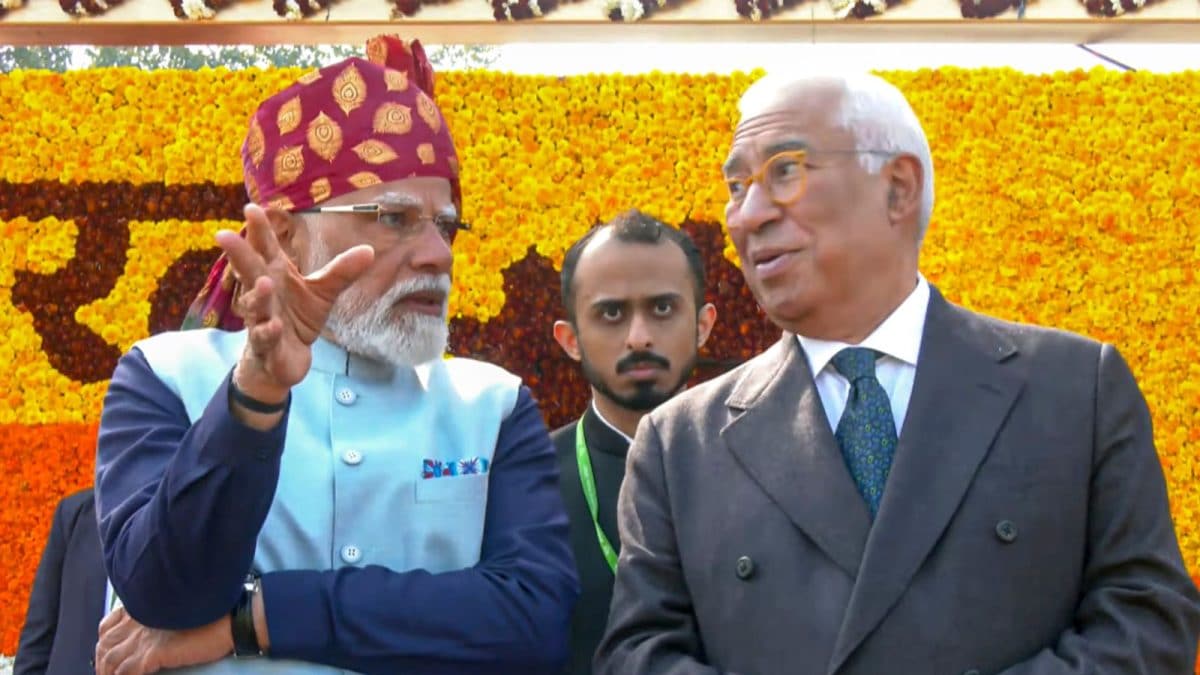
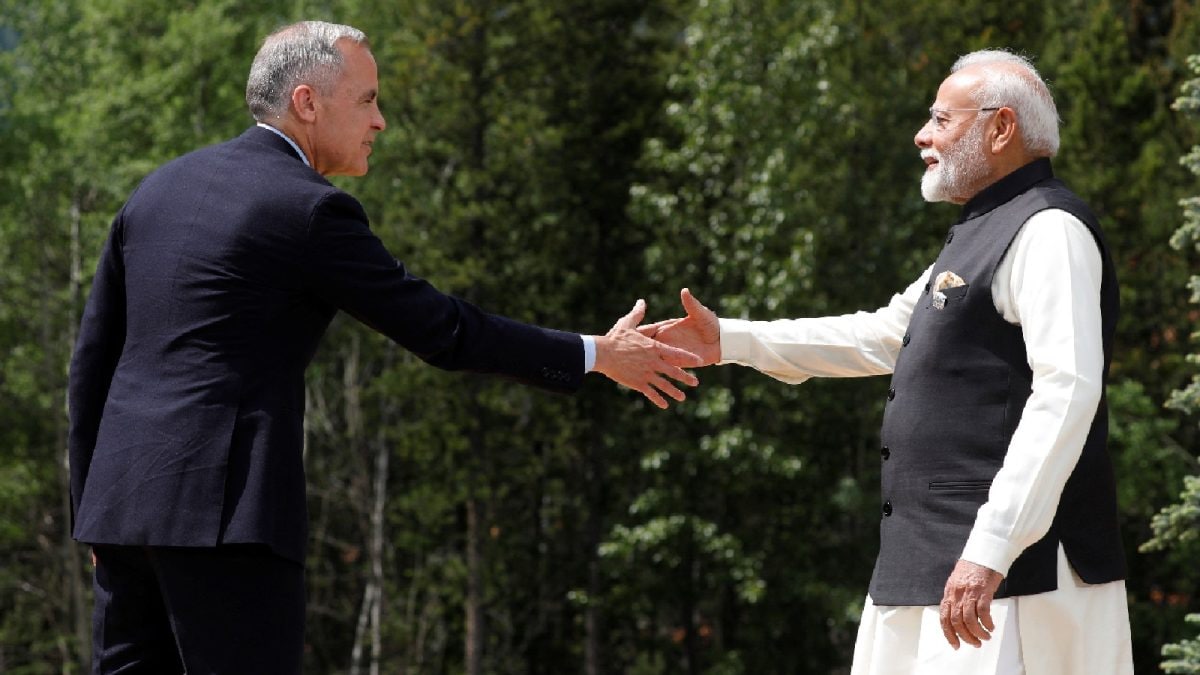
PM Narendra Modi received UAE President Sheikh Mohamed bin Zayed Al Nahyan at Delhi's Palam Air Force Station.

New Delhi,UPDATED: Jan 26, 2026 20:18 IST
Just days after UAE President Sheikh Mohamed bin Zayed Al Nahyan paid Prime Minister Narendra Modi a sudden one-and-a-half-hour visit, Abu Dhabi has reportedly lost interest in ongoing discussions over managing operations at Islamabad Airport, forcing Islamabad to halt its plan to outsource the management, Pakistani newspaper The Express Tribune reported.
Despite initial interest shown by the UAE, it failed to name a local partner for outsourcing the management and operations of Islamabad Airport, indicating disinterest on Abu Dhabi’s part, the report added, citing official sources.
In response, the UAE reportedly conveyed that it was still unable to confirm any nominated entity. It further said the UAE was not interested in continuing the process.
The development occurred shortly after Sheikh Mohammed bin Zayed Al Nahyan visited India, where both countries agreed to enhance their strategic partnership.
The Pakistani media report stopped short of attributing the deal’s collapse to political factors, but it comes at a time of widening differences between the UAE and Saudi Arabia, which have backed opposing sides in several regional conflicts. Even as Islamabad has moved closer to Riyadh -- signing a defence agreement and exploring the idea of an "Islamic Nato" with Saudi Arabia and Turkey -- Abu Dhabi has pursued a different track, sealing new defence partnerships with India.
Historically, the UAE has been one of Pakistan’s major trading partners and a significant source of remittances, with robust cooperation in sectors such as defence, energy, and investment. However, security concerns, licensing controversies, and Pakistan’s ageing infrastructure have contributed to a decline in relations.
According to a recent report, political meddling and weak governance have resulted in heavy losses at Pakistan’s state-owned enterprises, which are often followed by their sale under distress at deeply discounted valuations.
Against this backdrop, the UAE’s decision to step away from Islamabad Airport -- despite its extensive experience in managing airports, including in Afghanistan -- underscores a growing lack of confidence in Pakistan’s operating climate.
By contrast, the UAE leader’s visit to New Delhi last week was followed by the decision to release 900 Indian nationals from detention, a step widely viewed as a strong signal of goodwill towards India.
In their discussions, Prime Minister Narendra Modi and President Mohamed bin Zayed took stock of bilateral ties and concurred that the India-UAE Comprehensive Strategic Partnership has moved beyond consolidation and is now poised for deeper, broader engagement across multiple areas.
- Ends
Published By:
Sayan Ganguly
Published On:
Jan 26, 2026