2 hours ago
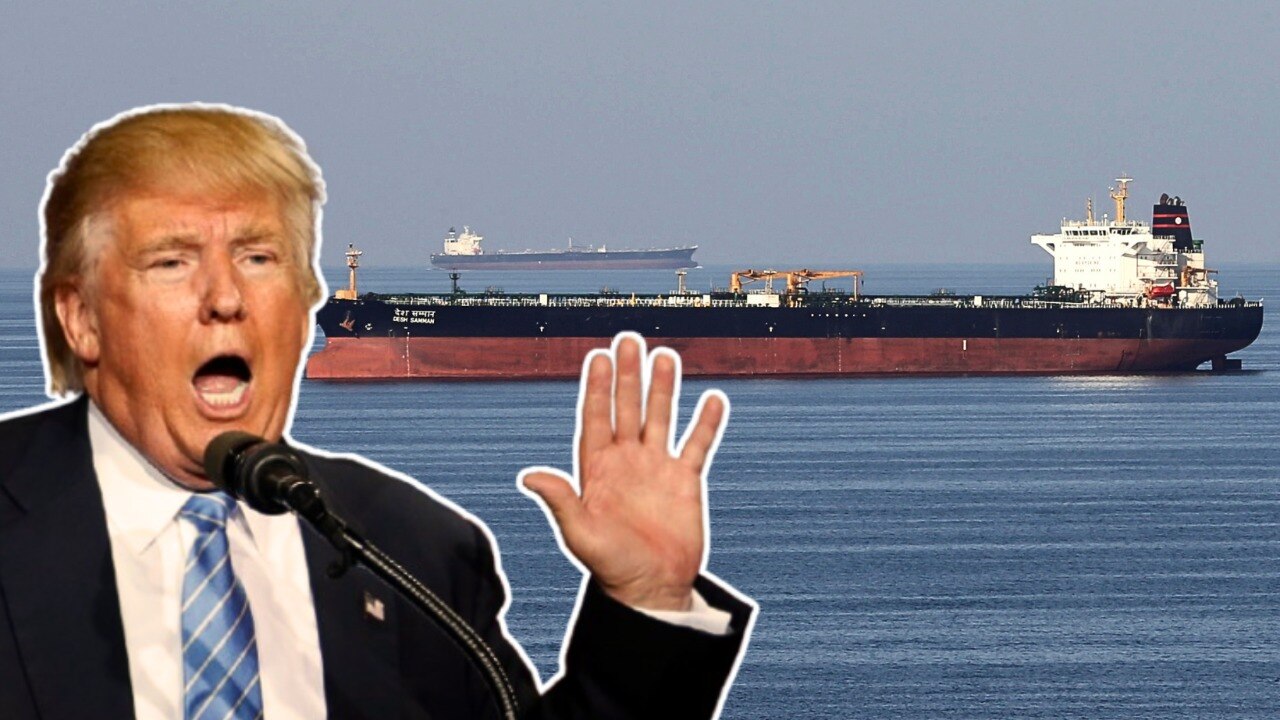
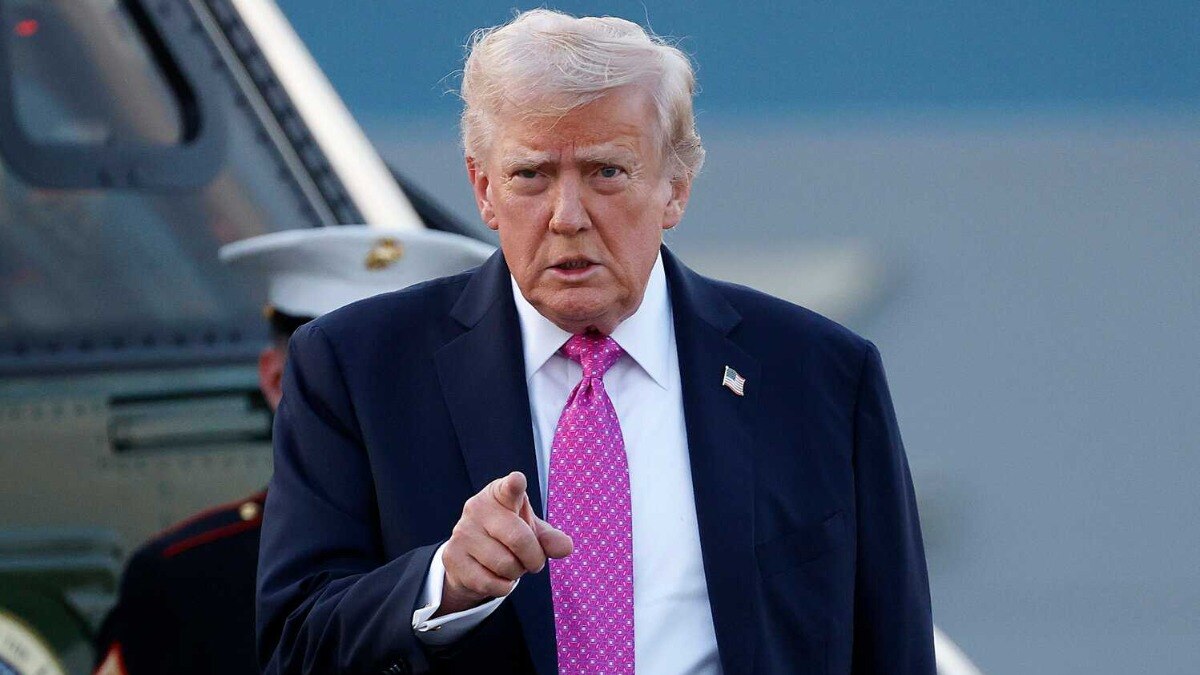
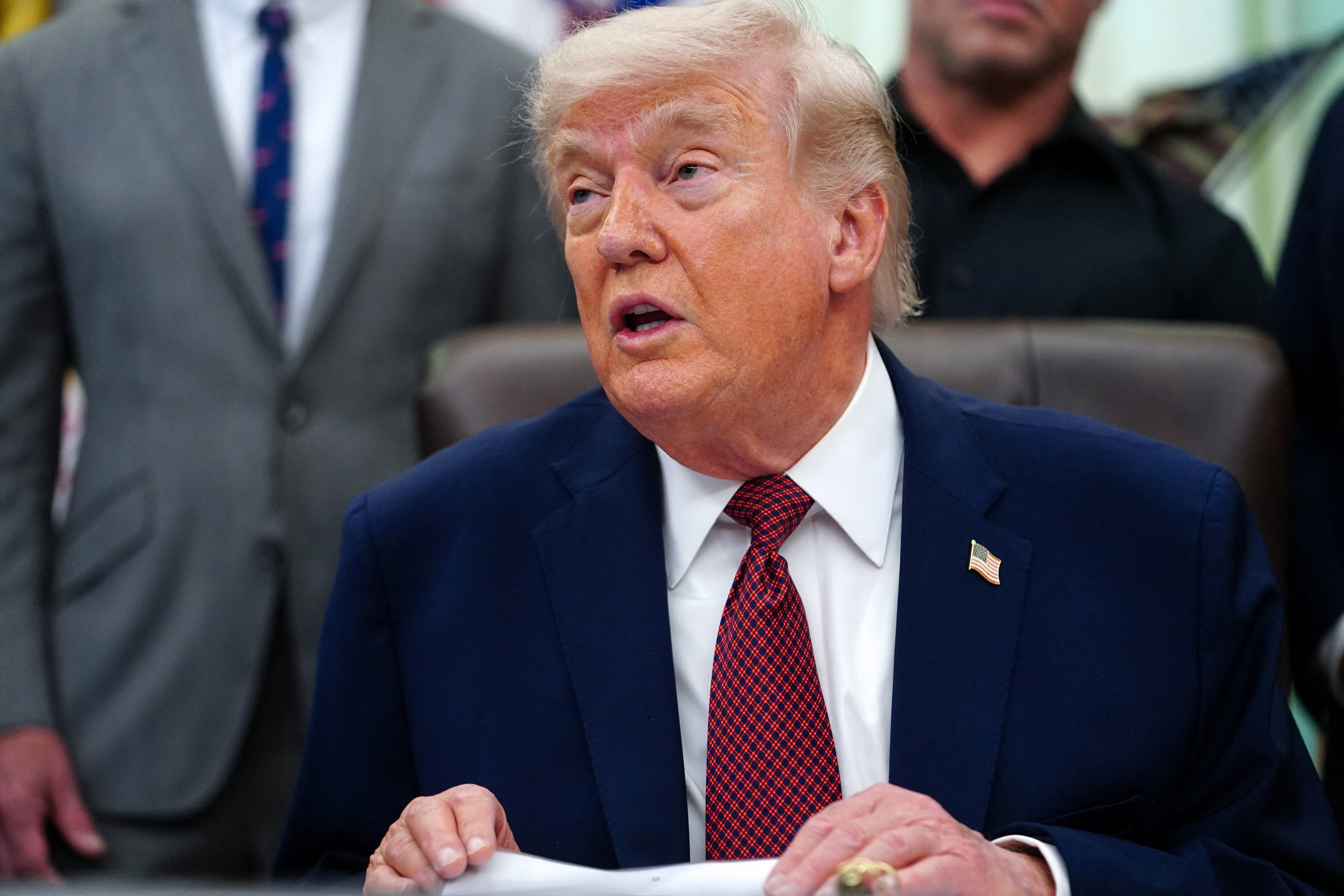
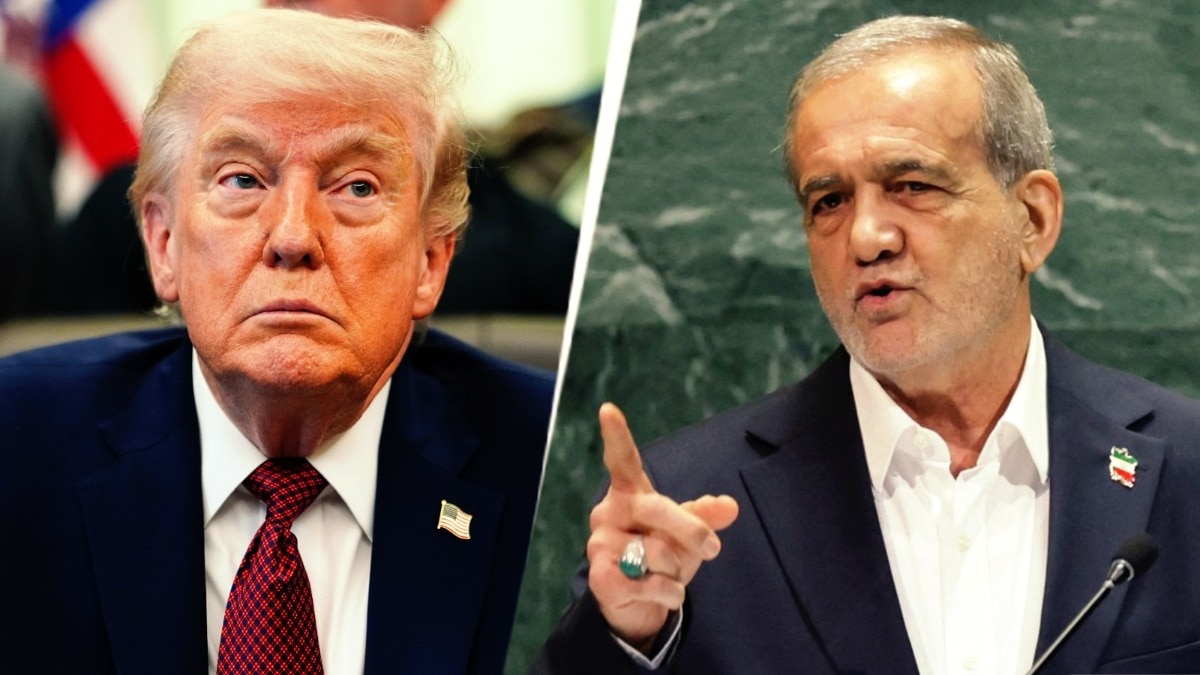
US President Donald Trump screamed at aides for hours after learning that two American airmen were missing when an F-15 Eagle was shot down over Iran on April 3, and later kept out of key war-room briefings as the crisis unfolded, The Wall Street Journal (WSJ) reported, citing senior administration officials. However, the White House rejected the report and said Trump had “remained a steady leader our country needs”.
The downing of the American F-15 jet triggered a high-stakes rescue mission. One crew member was swiftly recovered by US forces after ejecting before the aircraft went down. The second, however, remained stranded behind enemy lines for more than 24 hours, setting off a race against time to locate and extract him before Iranian forces could.
Back in Washington, Trump’s fears about how the conflict was unfolding “were ramping up,” the WSJ report said. He was said to be fixated on parallels with the Iran hostage crisis, one of the most significant US foreign policy crises, images of which “loomed large” in his mind.
As the situation intensified, senior officials, including Vice President JD Vance and White House Chief of Staff Susie Wiles dialled into the Situation Room for minute-by-minute updates over the next 24 hours. Trump was not included in these meetings.
Instead, he was kept informed only at “meaningful moments” via phone calls. Aides deliberately kept him out of the room, believing his impatience would not be helpful during real-time operational decision-making, officials told WSJ.
The White House, however, pushed back on that portrayal. Press Secretary Karoline Leavitt told the WSJ that Trump had “remained a steady leader our country needs,” adding that the operation aligned with his stated goal of denying Iran the ability to develop a nuclear weapon.
After the first airman was recovered on April 3, US agencies intensified efforts to locate the second. More than 24 hours later, on the evening of April 4, Trump was informed that the missing crew member had also been safely rescued. A senior administration official said the operation was made possible with support from the Central Intelligence Agency, which alerted the Pentagon and the White House to the airman’s location.
Officials described the effort as the ultimate “needle in a haystack” mission, locating a “brave American soul inside a mountain crevice,” invisible, but for the CIA’s capabilities. The agency also reportedly conducted a deception campaign, spreading false information suggesting the airman had already been found and recovered, according to WSJ.
Trump later boasted about the mission’s success on Truth Social around midnight and went to bed at about 2 am (local time), according to the report. In his post, he described the rescued serviceman as a “brave warrior” who had been “behind enemy lines in the treacherous mountains of Iran,” hunted by enemies closing in “by the hour”.
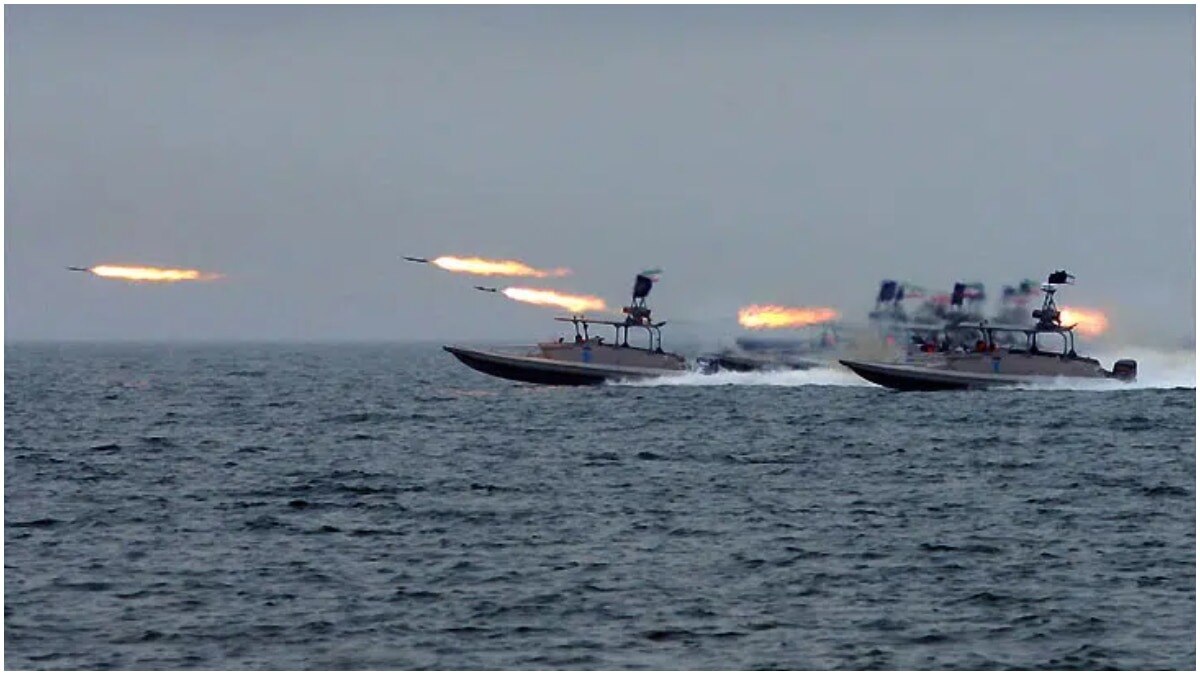
The following morning, Trump escalated his rhetoric, ordering Iran to reopen the Strait of Hormuz in an expletive-laden message, warning of severe consequences if it did not comply. On April 7, he went further, threatening that a “whole civilisation will die tonight” unless Iran agreed to open the strategic waterway. However, hours later, he announced a fragile two-week ceasefire beginning April 8, the first such truce since US-Israeli strikes on Iran began on February 28.
When questioned by an advisor about the tone and unusual phrasing of his posts, including invoking religious language, Trump reportedly said he had deliberately chosen to “praise Allah” to appear unpredictable and offensive, believing such messaging would resonate with or unsettle Iranian leaders, the WSJ report said.
The remarks triggered global alarm and prompted concerned US lawmakers to contact the White House seeking clarity about the US President’s state of mind, per the newspaper.
- Ends
Published By:
Prateek Chakraborty
Published On:
Apr 20, 2026 16:56 IST
Tune In