2 hours ago
Donald Trump said he dropped plans for new US strikes on Iran after Gulf leaders urged restraint. The pause keeps diplomacy alive, but disagreements over Hormuz and ceasefire terms remain.

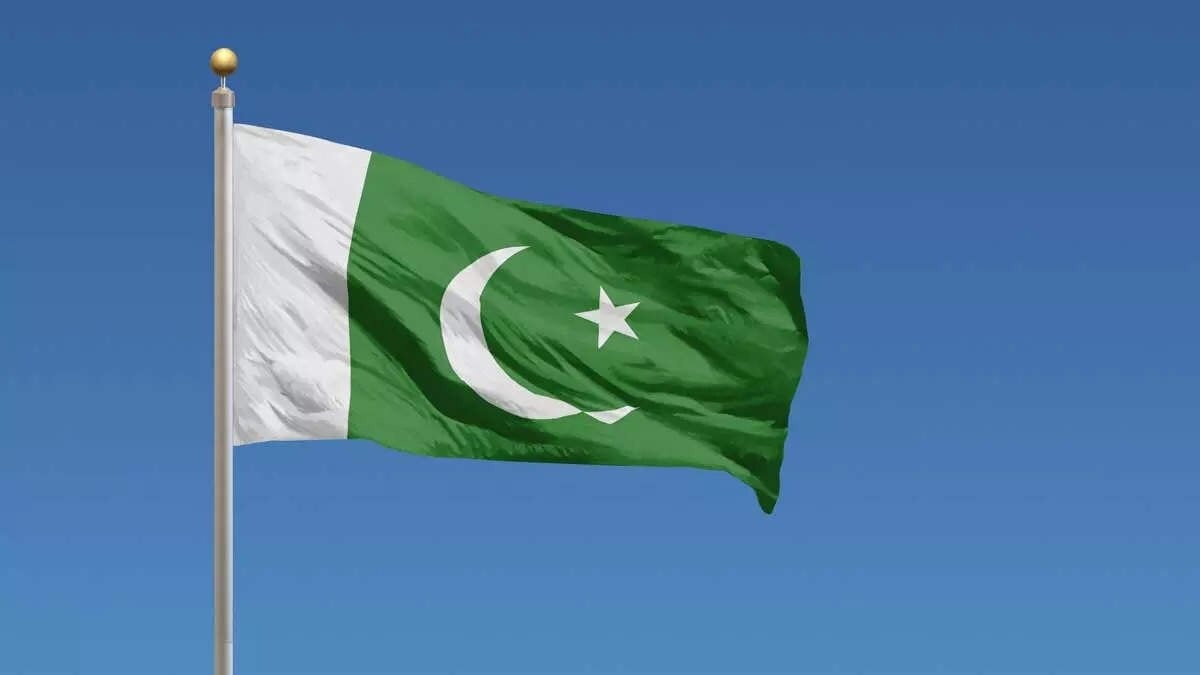
Image used for representational purposes only

Washington,UPDATED: Aug 3, 2026 04:46 IST
US President Donald Trump said on Sunday that he had decided against ordering fresh American strikes on Iran after Gulf allies including Qatar, Saudi Arabia and the United Arab Emirates urged restraint and asked for more time for diplomacy.
Trump said a plan had been ready for US forces to launch what he called "the biggest attack since World War II" on Sunday, but he scrapped it after speaking to key Gulf leaders and after requests from unnamed Iranian officials. He said an emerging deal would address US concerns over Iran's nuclear programme and include the reopening of the Strait of Hormuz, though there is no agreement yet.
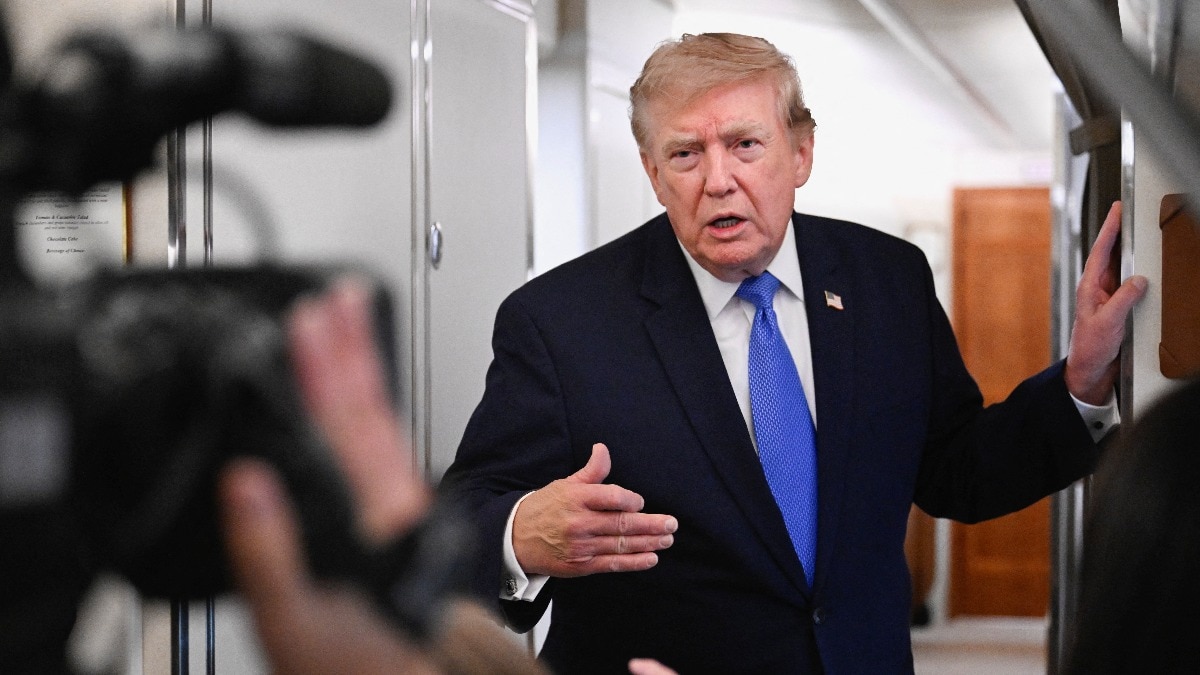
Speaking to reporters on Air Force One while returning to Washington after spending the weekend in Bedminster, New Jersey, Trump referred to his conversation with Saudi Crown Prince Mohammed bin Salman. "I said to the crown prince, 'What would you rather do? Would you rather us do this or not?'" Trump said. "They said we would much prefer a deal as opposed to an attack, because you don't know where these attacks lead."
Trump and the crown prince spoke on Saturday, before the US president said in a social media post that Middle East allies had reached the "perimeters" of a deal to end the five-month-old war. The latest move marked another sharp shift after Trump said a day earlier that he was "losing faith" in negotiations with Iran and warned that the US military "will be hitting them very hard".
On Sunday, Trump again said the proposed deal would reopen the Strait of Hormuz, a vital waterway through which about a fifth of the world's energy had flowed before the war began. Iran, however, pushed back. Foreign Ministry spokesperson Esmail Baghaei said on Sunday that the Strait of Hormuz "will in no way return to the status it was before February 28", the day the war started.
In a call with Iranian state TV, Baghaei said Iran was discussing shipping through the strait with Oman, which lies across Hormuz, but added that there was no current discussion on reopening the waterway. Iran has repeatedly attacked vessels trying to pass through the strait without its authorisation during the conflict with the US.
Trump has announced pauses in strikes on Iran several times since the US and Israel attacked Iran on February 28, but those efforts have repeatedly broken down and fighting has resumed. Iran's defence minister said on X that the country was "neither surprised nor passive" after Trump's announcement and that Iran remained alert in the face of concrete threats from the US.
At the same time, there appeared to be a struggle within Iran's leadership between those opposed to any negotiations with the US and others who see military pressure as a way to gain leverage in talks. Trump said on Sunday that he expected negotiations to resume "tomorrow afternoon", though he did not say who would take part.
A regional official involved in the mediation said the proposal announced by Trump over the weekend calls for the US and Iran to return to negotiations and keep working through issues that had blocked progress earlier. The official said the proposal included reopening the Strait of Hormuz and halting attacks across the region, including those by Iranian-backed militias in Iraq on Arab Gulf countries and Jordan.
In return, the US would end its naval blockade on Iran and allow Tehran to export oil, as set out in the tentative ceasefire deal, the official said. The official, who spoke on condition of anonymity because he was not authorised to speak to the media, said no deal had been reached yet and mediation efforts were continuing. Trump also said Israel was joining his push to end the war by implementing the ceasefire deal reached in June, though Israel did not publicly comment.
The Saudi crown prince, the kingdom's de-facto leader, raised concerns over a possible escalation during his phone call with Trump on Saturday. A person briefed on the call described it as "candid and constructive" and said the crown prince warned that a wider conflict could badly affect the global economy if Tehran responded to fresh US bombing by targeting some of Washington's Gulf allies.
The person said the crown prince sought clarity before Trump's social media announcement on what action the US president was considering against Iran. Saudi officials have also told the Trump administration that while Saudi Arabia, the UAE and Qatar are well placed to defend against further Iranian attacks, Kuwait could be more vulnerable to attacks by Iranian-backed militias in Iraq.
Trump indicated that the exchange with the Saudi crown prince played a major role in his decision. "It would have been disastrous for them. And they didn't want us to do it," he said. "And frankly, Saudi Arabia didn't want it either. They thought that a deal is imminent." Taken together, Sunday's developments showed that while the threat of military action remained, the US and regional mediators were trying to bring Washington and Tehran back to the negotiating table.
With PTI Inputs
- Ends
Published By:
India Today Web Desk
Published On:
Aug 3, 2026 04:46 IST