2 hours ago
Last Updated:February 28, 2026, 15:52 IST
Iran has the third-highest proven oil reserves in the world, making it an extremely important country


A direct hit on Iran’s oil fields, oil export facilities, or oil refineries would mean the loss of a large chunk of oil production for the world. (AI-Generated Image)
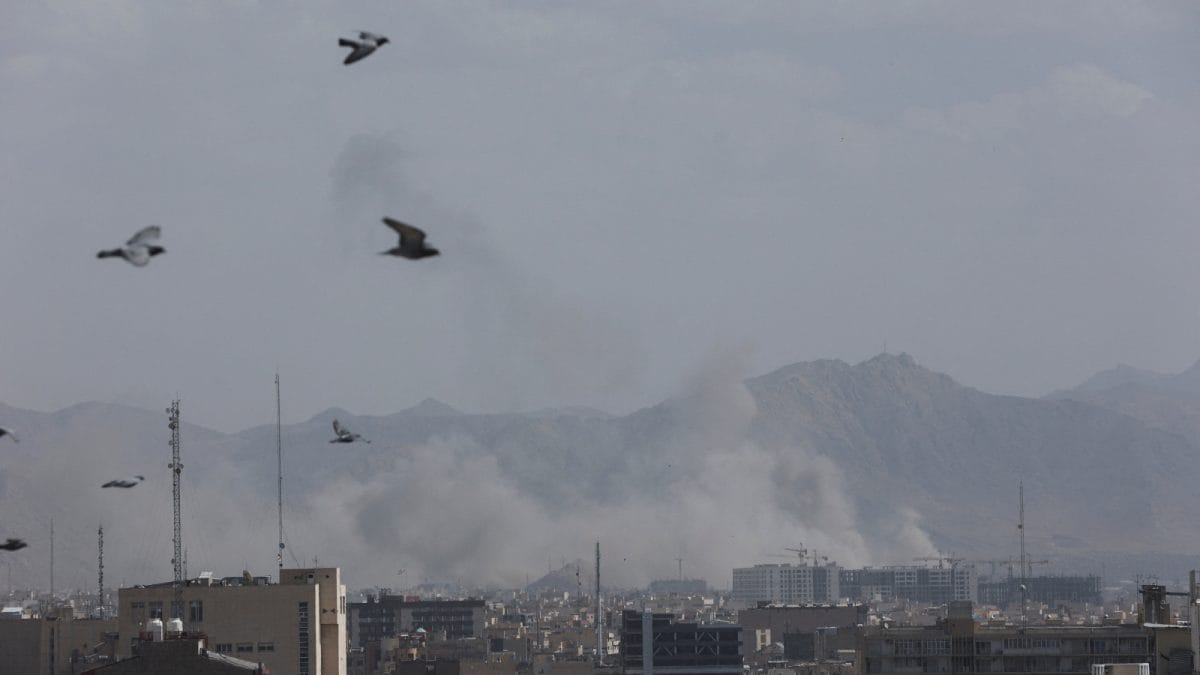
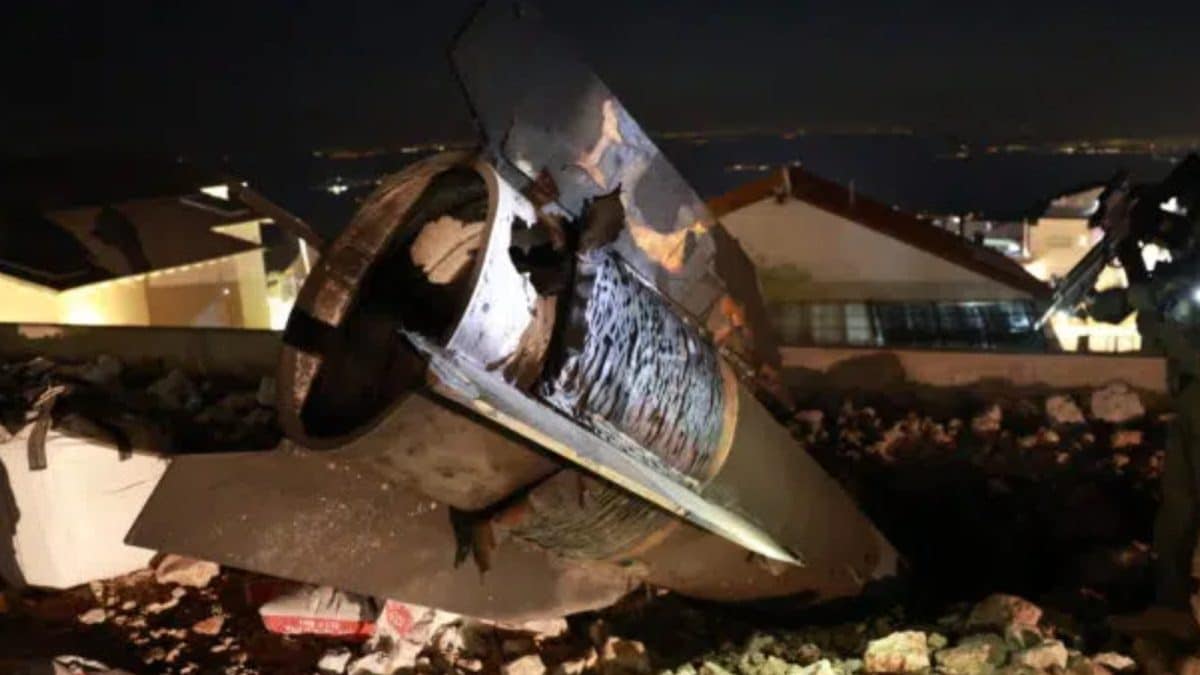
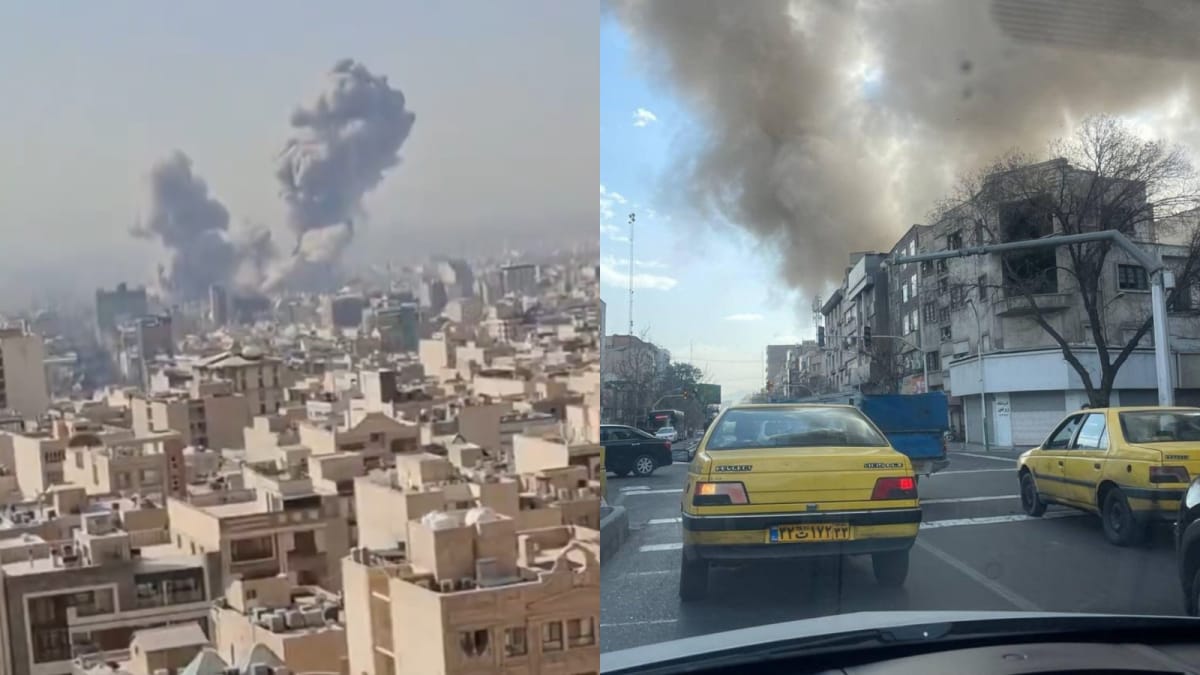
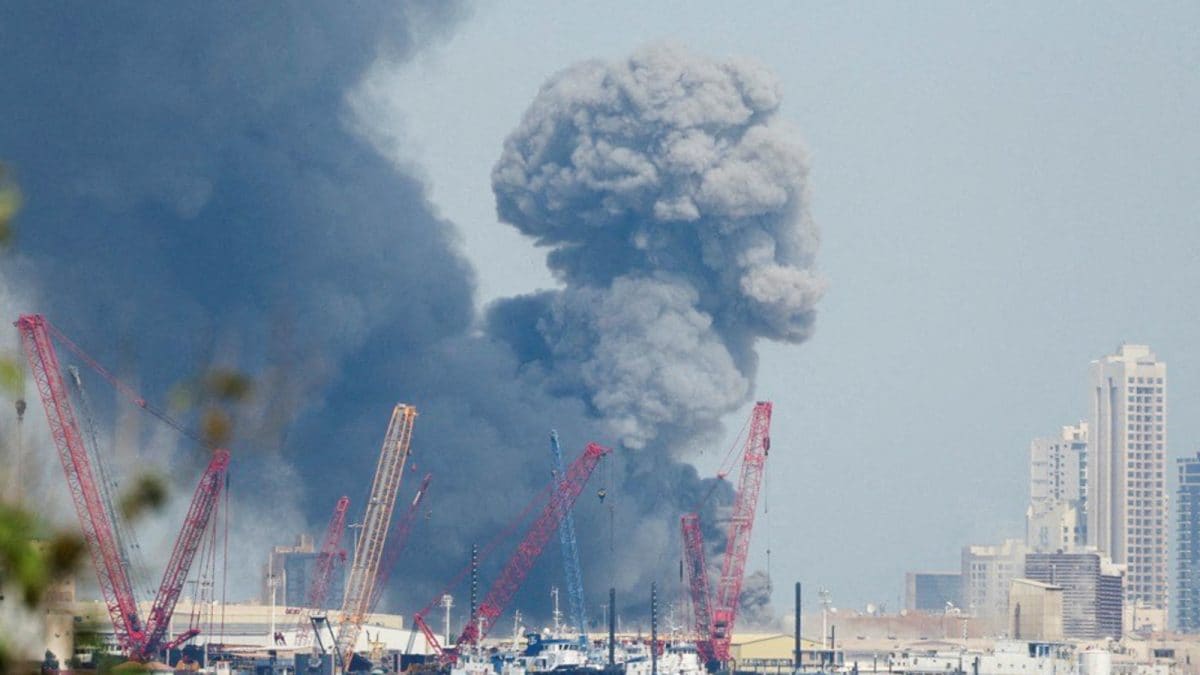
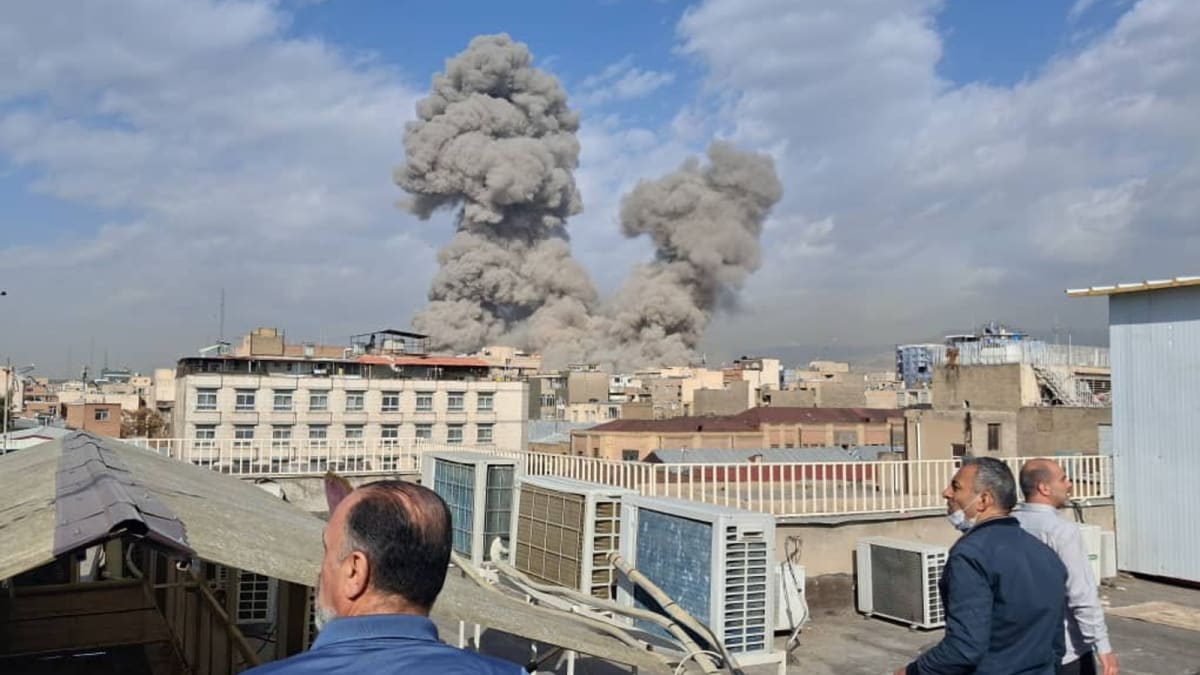
The US and Israeli strikes on Iran, and Tehran’s subsequent retaliation, have not only raised the specter of a wider regional war, but also forced the energy markets to brace for disruption. Analysts warn that crude prices, which are already sensitive to geopolitical shocks, could spike sharply if supply routes or production infrastructure are hit.
IRAN REMAINS MAJOR OIL PRODUCER
To begin with, despite the imposition of sanctions by the US for decades, Organisation of the Petroleum Exporting Countries (OPEC) member Iran still ranks among the top 10 oil-producing countries in the world.
Iran’s oil production in 1974 was six million barrels per day, making it the third-highest oil-producing country in the world, behind the US and Saudi Arabia, according to Global Risk Management analyst Arne Lohmann Rasmussen, who spoke to news agency AFP. Today, the country’s oil production is 3.1 million barrels per day, according to OPEC.
Iran also has the third-highest proven oil reserves in the world, making it an extremely important country. Sanctions may have restricted its oil exports, but the country still exports between 1.3 million to 1.5 million barrels of oil per day, of which more than 80 per cent goes to China, according to an oil analyst at financial markets firm Saxo Bank, Ole Hansen.
A direct hit on Iran’s oil fields, oil export facilities, or oil refineries would mean the loss of a large chunk of oil production for the world.
THE STRAIT OF HORMUZ: THE REAL FLASHPOINT
However, the major threat to oil supplies is not just related to Iran’s oil production; it is related to the Strait of Hormuz itself. According to the US Energy Information Administration (EIA), daily oil supplies through this strait were about 20 million barrels per day in 2024, which is almost equal to 20 per cent of the world’s overall oil consumption.
The strait is quite narrow, measuring just 50 km in width, and is also quite shallow, which makes it a highly vulnerable area for oil supplies to be interrupted. In fact, this area has been targeted several times by Iran as a retaliatory measure in previous crises; even if it is not blocked entirely, experts believe that insurance costs for tankers would escalate, shipping would slow down dramatically, and it would immediately affect oil pricing.
According to the EIA, only Saudi Arabia and the UAE have limited bypass infrastructure to divert 2.6 million barrels per day, which is still much lower compared to the usual volume of oil that passes through this area.
WHY DOES IRANIAN OIL MATTER?
Iran’s oil is also very cheap to produce, costing as little as $10 a barrel. Only the oil producers in the Gulf states of Saudi Arabia, Iraq, Kuwait, and the UAE enjoy such low production costs. Oil production in the US and Canada costs $40-$60 a barrel.
Iran is therefore benefiting greatly from the high oil prices. If the conflict drives oil prices above $100 a barrel, Iran would still earn more for its oil even if the volumes are reduced, as long as the oil is still being exported.
The sanctions on Iran, however, especially under the policies of President Donald Trump’s “maximum pressure" on the Iranian regime, are affecting the country’s ability to export its oil. The US is even targeting the independent Chinese oil refineries known as “teapot refineries" for importing oil from Iran. China is still importing oil from Iran at a discounted price.
REGIONAL SPILLOVER RISKS
Iran’s neighbours, including Gulf states hosting US military bases, are facing retaliation. Pierre Razoux of the Mediterranean Foundation for Strategic Studies told AFP that Iran possesses sufficient intermediate-range missiles to strike “vital points" across the region. The potential targets include oil terminals and hydrocarbon hubs, power stations, and desalination plants. Any strike on Gulf energy infrastructure could send prices surging instantly.
WHAT HAPPENS TO PRICES?
According to recent analysis from JPMorgan Chase, oil markets are already tight, with limited spare capacity globally. In a severe Middle East disruption scenario, prices could spike well above $100 per barrel.
Market strategists cited by Moneycontrol warn that crude is now the key risk factor for emerging markets like India, which imports the bulk of its oil. Rising prices could widen trade deficits, weaken currencies, trigger inflation, and force central banks to delay rate cuts
A return to $100+ oil, unseen since the early phase of Russia’s invasion of Ukraine in 2022, would also hit US consumers.
INFLATION AND GLOBAL GROWTH
This would directly affect transport costs, food prices, and manufacturing costs. This, in turn, increases the possibility of renewed global inflation, making monetary policy more complicated worldwide. For the energy-hungry economies of Asia and Europe, the impact of the prolonged crisis would be considerable.
Fear of supply disruptions, despite the availability of actual supplies, may cause oil prices to increase substantially. And for oil prices, perception often plays a more important role than reality.
If the Hormuz Strait is disrupted or facilities in the region are attacked, experts say, “the world may soon be facing oil prices that have never been seen in triple digits."
First Published:
February 28, 2026, 15:52 IST
News explainers The Iran-Israel War Could Disrupt 20% Of Global Oil Supply, Drive Prices Sky-High. Here's How
Disclaimer: Comments reflect users’ views, not News18’s. Please keep discussions respectful and constructive. Abusive, defamatory, or illegal comments will be removed. News18 may disable any comment at its discretion. By posting, you agree to our Terms of Use and Privacy Policy.
Read More