 1 hour ago
Canadian PM Mark Carney's Davos speech shreds the myth of a fair Western order, calling out the US as a disruptor. His advice to middle powers amidst Trump's tariffs and threats: adapt or perish.

New Delhi,UPDATED: Jan 21, 2026 11:40 IST
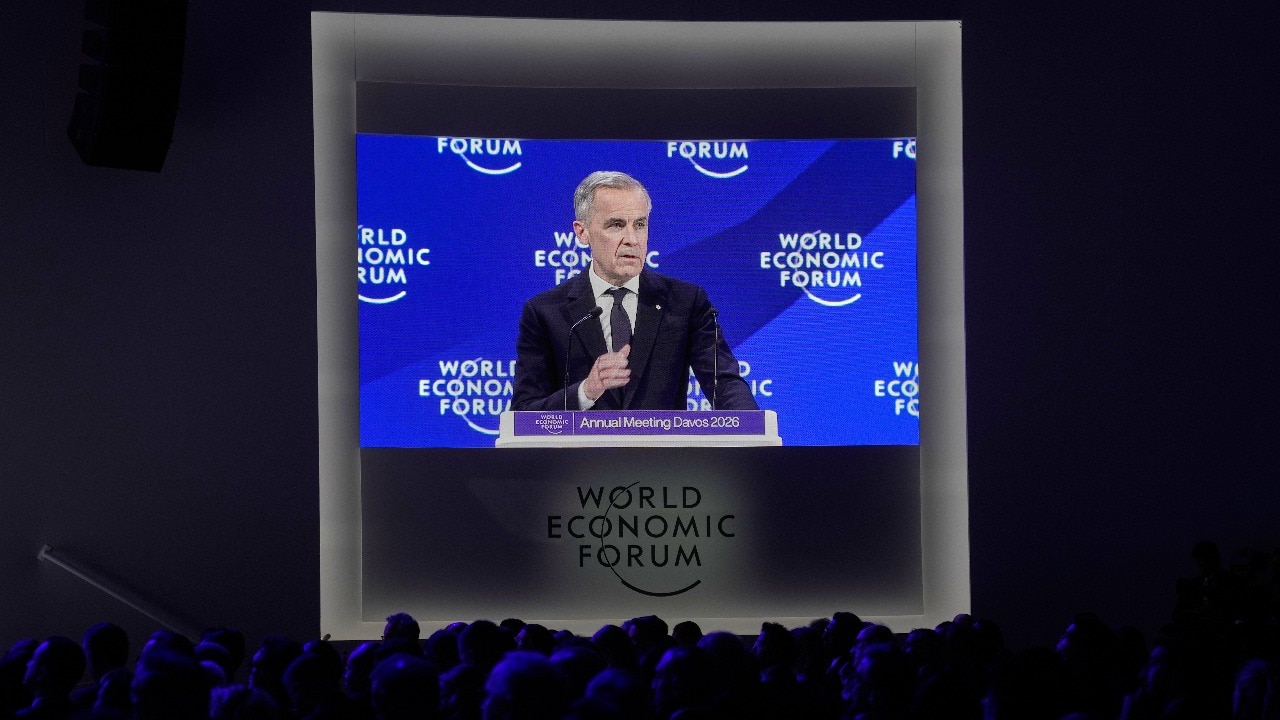
Canadian Prime Minister Mark Carney’s Tuesday speech at Davos marks a watershed moment in global diplomacy. It will enter history as the day a G7 leader finally belled the cat on the systemic hypocrisy of the Western-led order.
Long after the applause (and discomfort in Washington dies), the speech will be viewed as the public venting of what world leaders have whispered in private since the rise of the “dinosaur diplomacy” of the US.
The Context: A Brute Betrayal
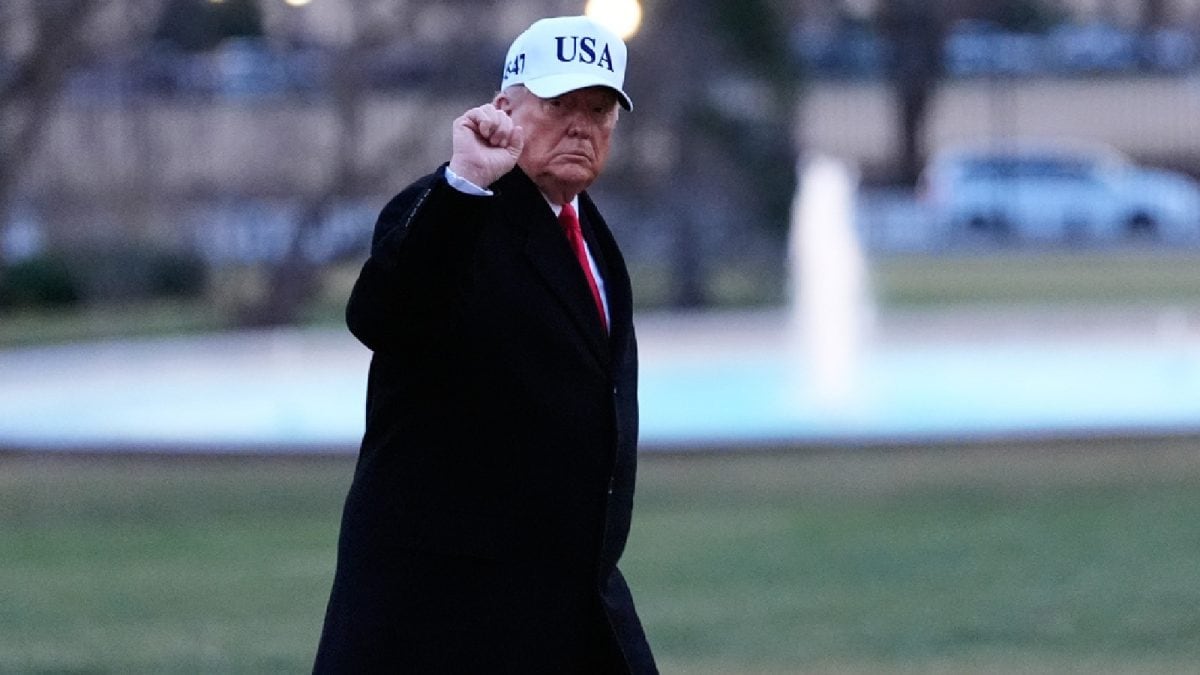
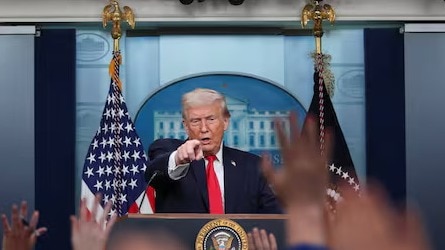
Carney’s expose of Washington’s hypocrisy comes in the backdrop of President Donald Trump’s increasingly bizarre bullying of foes, rivals and allies.
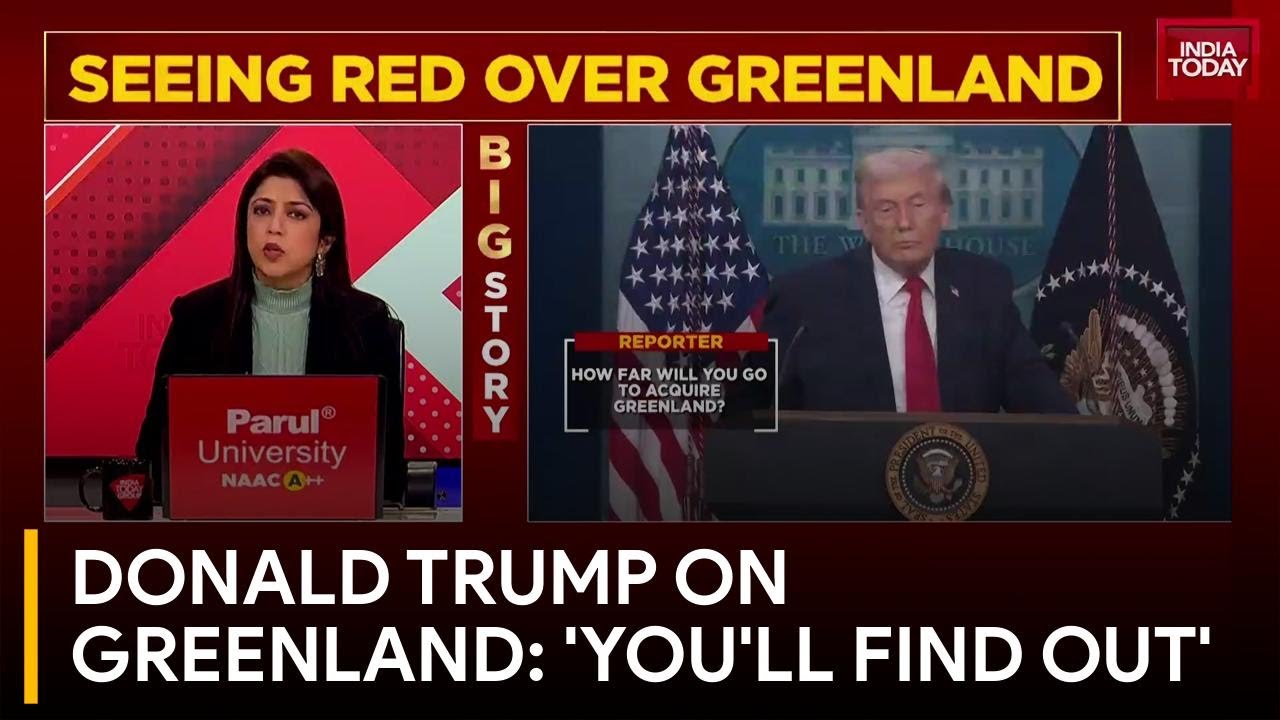
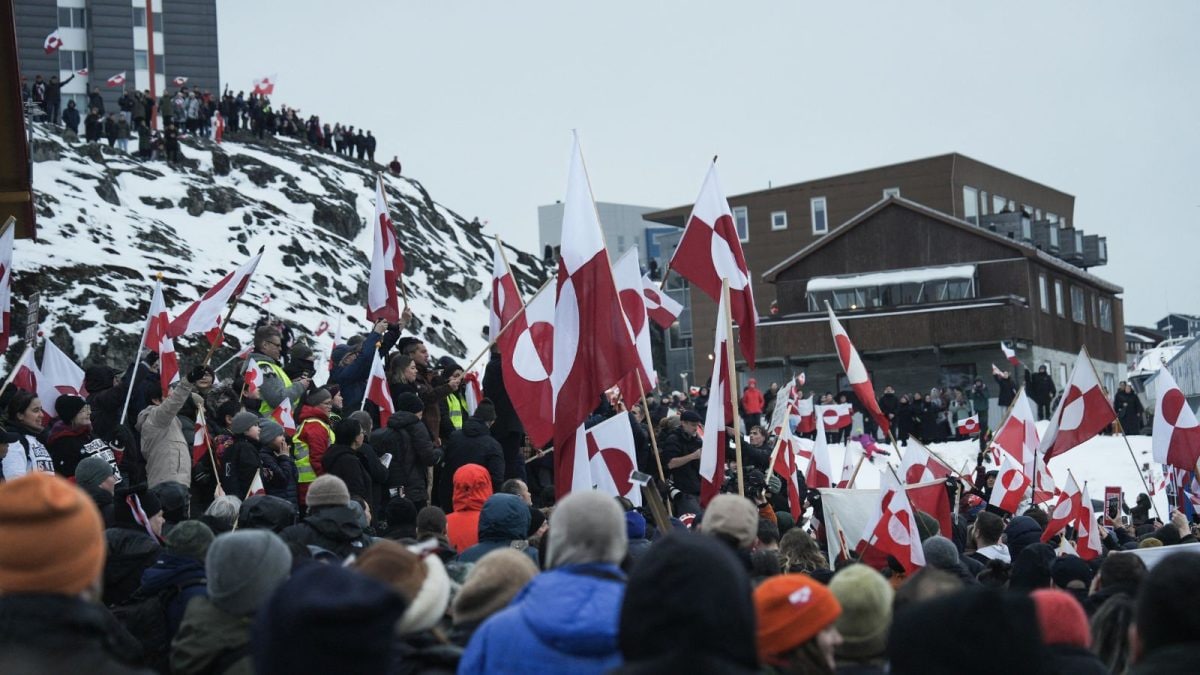
After slapping tariffs across the world, Trump is now threatening to take over Greenland and punish anyone who comes in the way, including Nato allies like France.
Canada has been in the firing line too. Trump has openly mused about making Canada the “51st state,” threatened 25% tariffs on Canadian goods, and suggested that Canadian sovereignty was negotiable. For a country that has spent seventy years as America's most loyal lieutenant, this isn't just threats, it is humiliation.
What better stage than Davos then to remind the world that loyalty to the hypocrites in Washington buys you nothing?
The End of the Polite Fiction
For seventy years, the West maintained a “sign in the window” (as Carney calls it) that read Equality and Rules. The narrative was that the United States was a benevolent hegemon, a giant that followed the same rules it imposed on others.
Carney’s narrative at Davos effectively shredded this mask. “We knew the story of the international rules-based order was partially false, that the strongest would exempt themselves when convenient, that trade rules were enforced asymmetrically, and that international law applied with varying rigour depending on the identity of the accused or the victim,” he declared, drawing applause from emerging market delegates while prompting stony silence from Western envoys.
In simple words this is an indictment of the “rules-based order” as always a transactional bargain that benefitted the US.
By admitting that the strongest (the US) always “exempted themselves when convenient,” Carney validated the long-standing grievance of the middle countries. For countries like India, which have been lectured on international norms while watching those same norms bypassed by the West–from trade disputes to climate obligations to oil purchases–Carney's words are an affirmation of the Western hypocrisy and silence.
The Western nations “avoided calling out the gaps between rhetoric and reality” as the American hegemony helped provide public goods, Carney said–an apt diagnosis.
Trump as the Rupture
Carney's most sophisticated move was calling out Donald Trump as a disruptor without naming him.
"Over the past two decades a series of crises in finance, health, energy, and geopolitics have laid bare the risks of extreme global integration. But more recently, great powers have begun using economic integration as a weapon. Tariffs are leverage, financial infrastructure is coercion, and supply chains have vulnerabilities to be exploited," he said.
"We are witnessing not a transition in the international order but a rupture," he declared.
The Private Panic
Behind closed doors, world leaders must be saying exactly the same things about Trump. Most of the world is wary of Trump's transactional approach: his fixation on Greenland, his threats to silence French dissent, his plans to annex or tariff Canada, and his weaponisation of supply chains to arm-twist India. But they've been too polite (or too cautious) to say it publicly.
Usually, Canadian leaders are the chief apologists for US hegemony because they benefit from the security umbrella. Carney's pivot indicates that the silence in exchange for stability is becoming unbearable.
Between the lines it can be interpreted like this : When the “public goods” the hegemon once provided (safe sea lanes, stable finance, predictable trade) are replaced by coercive tools (tariffs as leverage, currency as weapon), the incentive for other countries to play along vanishes.
By calling out US hegemony Carney is signaling to the rest of the world: it is time to look out for yourselves.
The Liberation of the Ally
Canada is America's largest trading partner, its NATO ally, its cultural twin. When your best friend tells you you've become a bully, it hits differently than when your rival says it.
Carney has effectively provided the intellectual and moral framework for a post-American order. For small, middling and developing nations, the speech is a liberation of sorts. It signals that even the closest allies of the US can no longer stomach the gap between "rhetoric and reality."
The message is clear: The emperor has no clothes. And if the emperor's best friend can say it, so can everyone else.
Carney's Solution
"The question for middle powers, like Canada, is not whether to adapt to this new reality. We must. The question is whether we adapt by simply building higher walls, or whether we can do something more ambitious."
"Middle powers must act together, because if we’re not at the table, we’re on the menu," Carney said.
The post-American world won't be built in a day. But January 2026 at Davos might be remembered as the day it became inevitable.
- Ends
Published On:
Jan 21, 2026