 1 month ago
Last Updated:March 15, 2026, 16:34 IST
In the 2021 election, the DMK returned to power after nearly a decade in opposition by winning 133 seats. The AIADMK secured 66 seats, Congress got 18 & BJP landed four seats


Vijay Says DMK and AIADMK Have ‘Surrendered’ to BJP. (Photo: X)
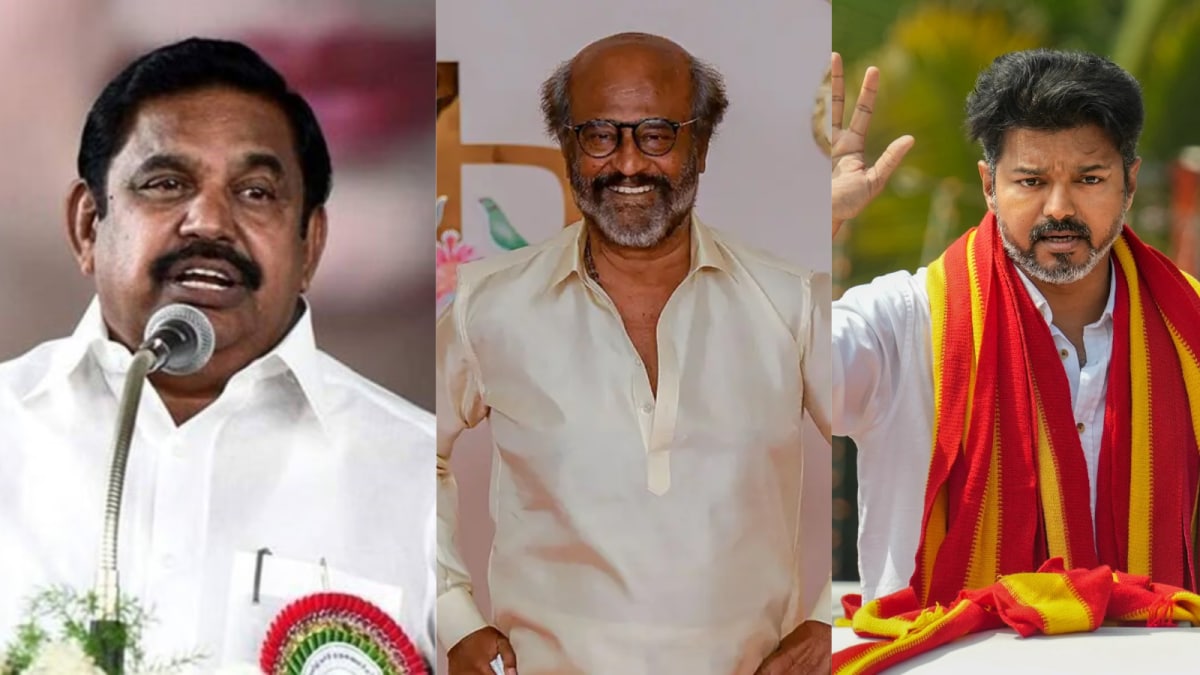
The 2026 Tamil Nadu assembly election, the schedule for which was announced on Sunday, could mark a turning point in the state’s politics. While the battle is expected to centre on the long-standing rivalry between the Dravida Munnetra Kazhagam (DMK) and the All India Anna Dravida Munnetra Kazhagam (AIADMK), actor-turned-neta Vijay’s new political outfit, Tamilaga Vettri Kazhagam (TVK), has emerged as a potential disruptor in the state’s entrenched Dravidian political order.
Tamil Nadu will vote on April 23. The results will be announced on May 4.
The Two Main Alliances
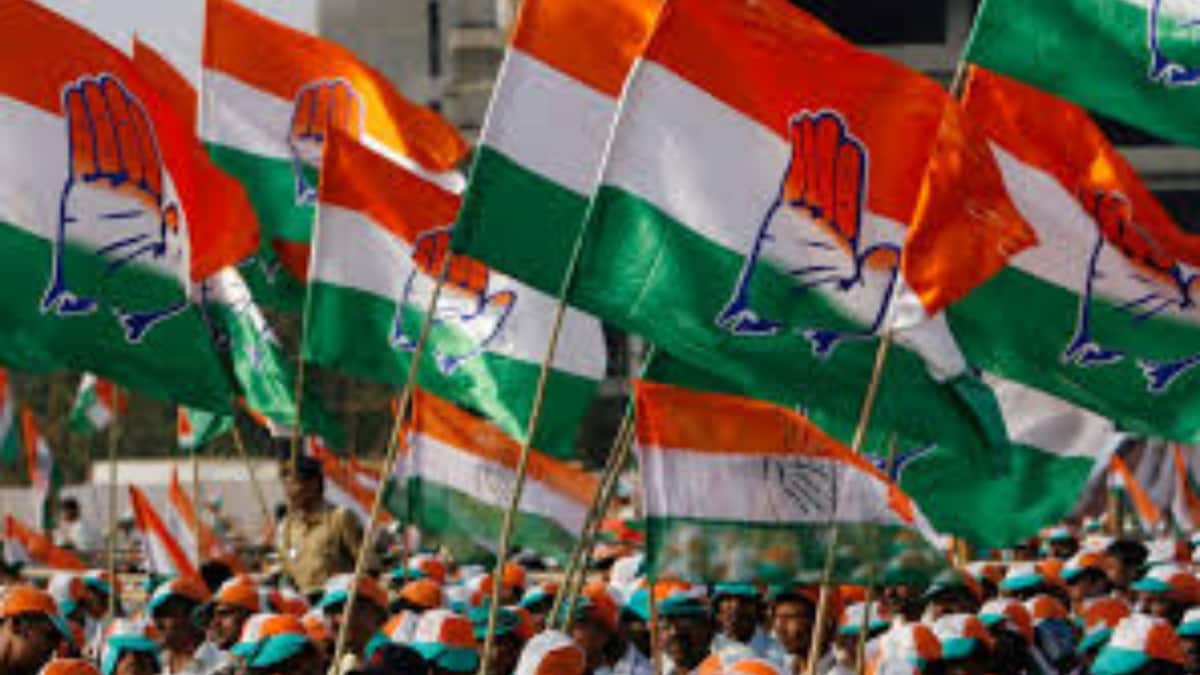
DMK-led Secular Progressive Alliance: The ruling coalition is led by the DMK under chief minister MK Stalin. The major alliance partners include Congress, Viduthalai Chiruthaigal Katchi, Communist Party of India, and Communist Party of India (Marxist). The ruling front is expected to campaign on welfare delivery, social justice policies and infrastructure projects undertaken during Stalin’s tenure.
AIADMK-led Opposition Bloc: The principal challenger remains the AIADMK, led by former chief minister Edappadi K Palaniswami. The party is attempting to rebuild its organisational strength after internal divisions following the deaths of former leaders J Jayalalithaa and M Karunanidhi, which reshaped Tamil Nadu’s political landscape. The AIADMK is expected to align with several parties, including the Bharatiya Janata Party, though negotiations over seat sharing and campaign strategy have at times been contentious.
Emerging and Smaller Players
Several smaller parties could influence the outcome in closely contested constituencies. These include:
• Naam Tamilar Katchi, led by Seeman, which continues to expand its vote share.
• Actor Vijay has launched the Tamilaga Vettri Kazhagam, raising speculation about whether his popularity could translate into electoral influence.
• Regional caste-based and community-focused parties are also expected to play a role in determining outcomes in some regions.
The Vijay Factor
Vijay, one of Tamil cinema’s biggest stars, has a massive fan base, particularly among young voters. His fan clubs, long organised across the state, have been repurposed into a grassroots political network for TVK. Political observers say this ready-made organisational structure could help the party mobilise supporters quickly during the campaign.
Analysts believe TVK may not immediately challenge the dominance of the Dravida Munnetra Kazhagam or the All India Anna Dravida Munnetra Kazhagam, but it could influence outcomes by splitting votes in closely contested constituencies. Even a modest vote share—especially among urban and first-time voters—could affect the margins in several seats.
Vijay has positioned his party as an alternative to traditional Dravidian parties, appealing to voters frustrated with entrenched political structures. His messaging has focused on governance, corruption and opportunities for young people, themes that resonate with sections of the electorate.
Tamil Nadu has a history of film stars entering politics successfully. Leaders such as MG Ramachandran and J Jayalalithaa built powerful political movements after their careers in cinema. However, political analysts caution that converting cinematic popularity into electoral success is not guaranteed.
Much will depend on TVK’s electoral strategy—whether it contests all 234 seats, focuses on select constituencies or aligns with other parties. Candidate selection, organisational strength and the ability to convert Vijay’s personal popularity into votes will determine how influential the “Vijay factor" becomes in the election.
How Tamil Nadu Voted Last Time
In the 2021 Tamil Nadu Legislative Assembly election, the Dravida Munnetra Kazhagam returned to power after nearly a decade in opposition by winning 133 seats. The AIADMK secured 66 seats, Congress got 18 seats and BJP was victorious on four seats.
The DMK-led alliance secured a comfortable majority, while the AIADMK-led alliance formed the opposition. The election also recorded a voter turnout of around 76.6 per cent, reflecting Tamil Nadu’s politically engaged electorate.
Key Voter Issues In 2026
Political analysts say the campaign is likely to revolve around several major issues.
• Welfare vs Fiscal Sustainability: Tamil Nadu has a long tradition of welfare schemes, including subsidised food, education benefits and social support programmes. While the ruling DMK highlights welfare delivery, opposition parties question the long-term fiscal sustainability of such policies.
• Employment and Industrial Growth: The state remains one of India’s most industrialised regions, but job creation and opportunities for young voters remain key concerns.
• Law and Order: Opposition parties have frequently criticised the government over law-and-order issues and governance challenges.
• Centre-State Relations: Relations between Tamil Nadu’s regional parties and the Union government, particularly over language policy, federal rights and financial allocations, remain politically sensitive issues.
• Caste and Regional Dynamics: Caste alliances and regional voting patterns, particularly in the Kongu belt and southern districts, continue to shape electoral outcomes.
Political Machinations Ahead Of Polls
The run-up to the election has seen intense political manoeuvring across parties. While the DMK has been working to maintain cohesion within its alliance and balancing the seat-sharing demands of smaller partners, the AIADMK is attempting to consolidate opposition votes and rebuild its cadre network across the state.
For the BJP, the election is also a prestige issue as it has been trying to expand its presence through targeted campaigning and alliances with regional parties.
The entry of new political players, including Vijay’s Tamilaga Vettri Kazhagam, could fragment vote banks in certain constituencies. This is also why several mainstream parties are trying to woo the actor for an alliance, looking to bank on his popularity.
What Political Analysts Say
Political analysts believe the 2026 contest could be more competitive than the previous election.
The ruling DMK enters the race with the advantages of incumbency and a stable alliance structure. However, analysts say anti-incumbency sentiment and opposition consolidation could narrow the margin.
Observers also note that the rise of smaller parties and new entrants may reshape the electoral arithmetic by splitting votes in tightly contested constituencies.
Simply put, the 2026 Tamil Nadu assembly election is shaping up as a crucial contest between the ruling DMK and the opposition AIADMK, continuing the state’s long-standing Dravidian political rivalry. While the DMK hopes to secure another term on the back of governance and welfare policies, the AIADMK is betting on anti-incumbency and alliance-building to return to power. At the same time, emerging political players, especially Vijay, could complicate the traditional two-front contest and influence the final outcome.
First Published:
March 15, 2026, 16:28 IST
News elections Tamil Nadu To Vote On April 23: DMK Vs AIADMK Again, But Can 'Wild Card' Vijay's TVK Add New Twist?
Disclaimer: Comments reflect users’ views, not News18’s. Please keep discussions respectful and constructive. Abusive, defamatory, or illegal comments will be removed. News18 may disable any comment at its discretion. By posting, you agree to our Terms of Use and Privacy Policy.
Read More