8 hours ago
Starmer seeks to reassure public over cost of living as oil prices surge from US-Israeli war with Iran
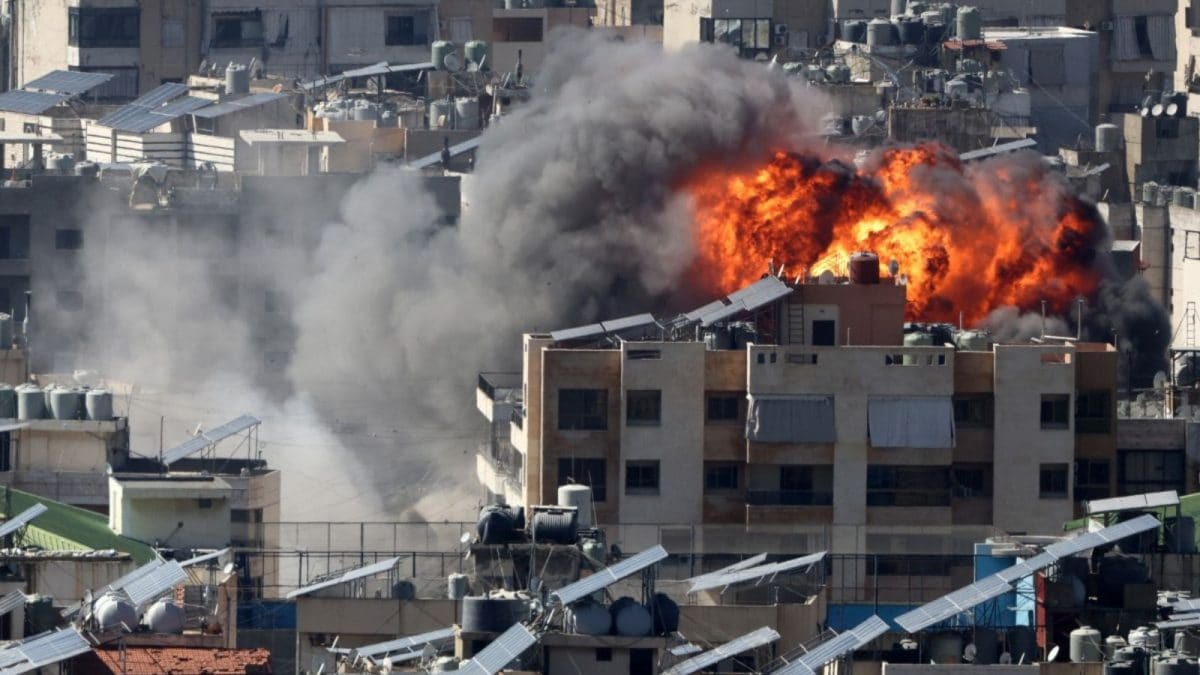
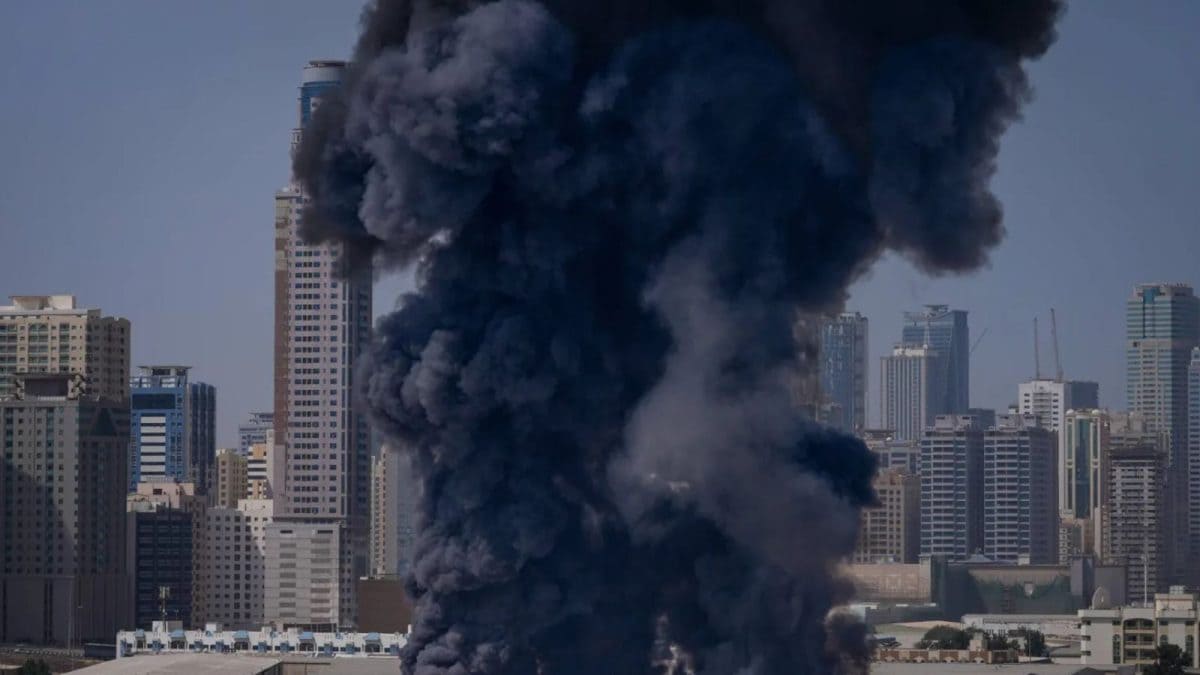
Good morning and welcome to our live coverage of UK politics as governments around the world brace for major disruption to energy supplies as a result of the escalating US-Israeli war with Iran.
Keir Starmer is expected to promise to protect the British public from the economic impact of the war after oil prices surged past $100 a barrel for the first time since 2022.
“No matter the headwinds, supporting working people and their families with the cost of living is always top of my mind,” the prime minister said ahead of a visit on Monday to a community centre in London.
Starmer added:
People are also rightly worrying what this means for life at home – their bills, their jobs, their communities.
I want to address those concerns head on. I will always be guided by what is best for the British public. And no matter the headwinds, supporting working people and their families with the cost of living is always top of my mind.
Starmer is reportedly under pressure from unions and his backbenchers to prepare a support package to help people already grappling with a cost of living crisis in case of a prolonged conflict.
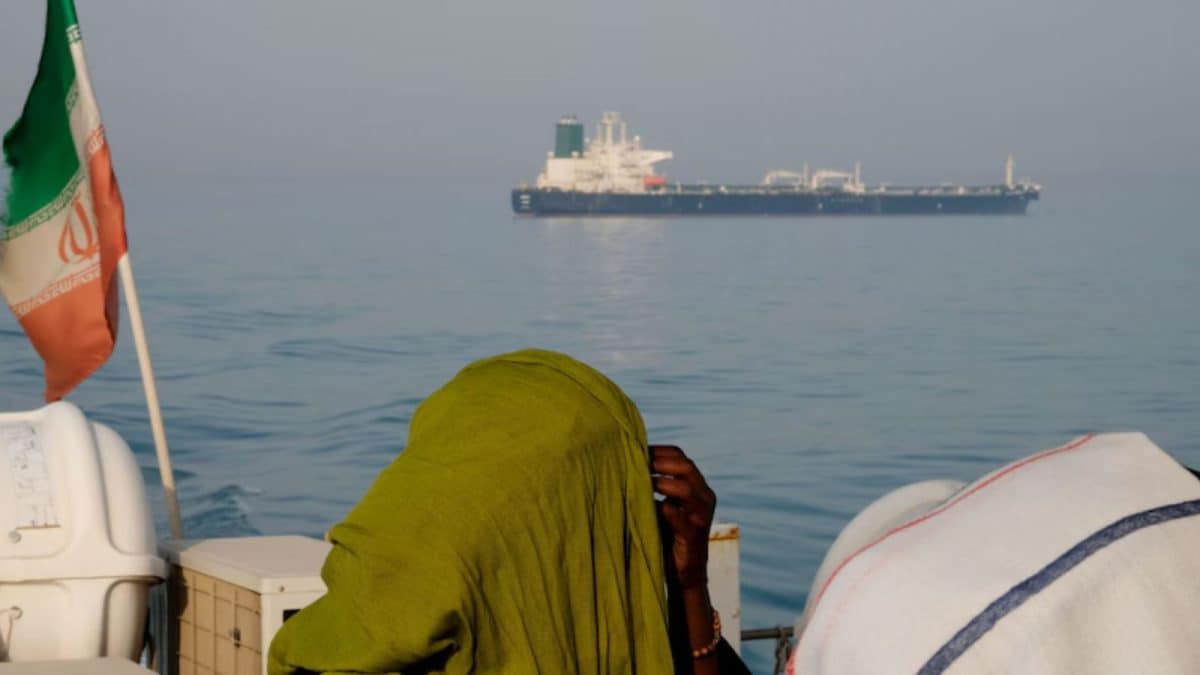
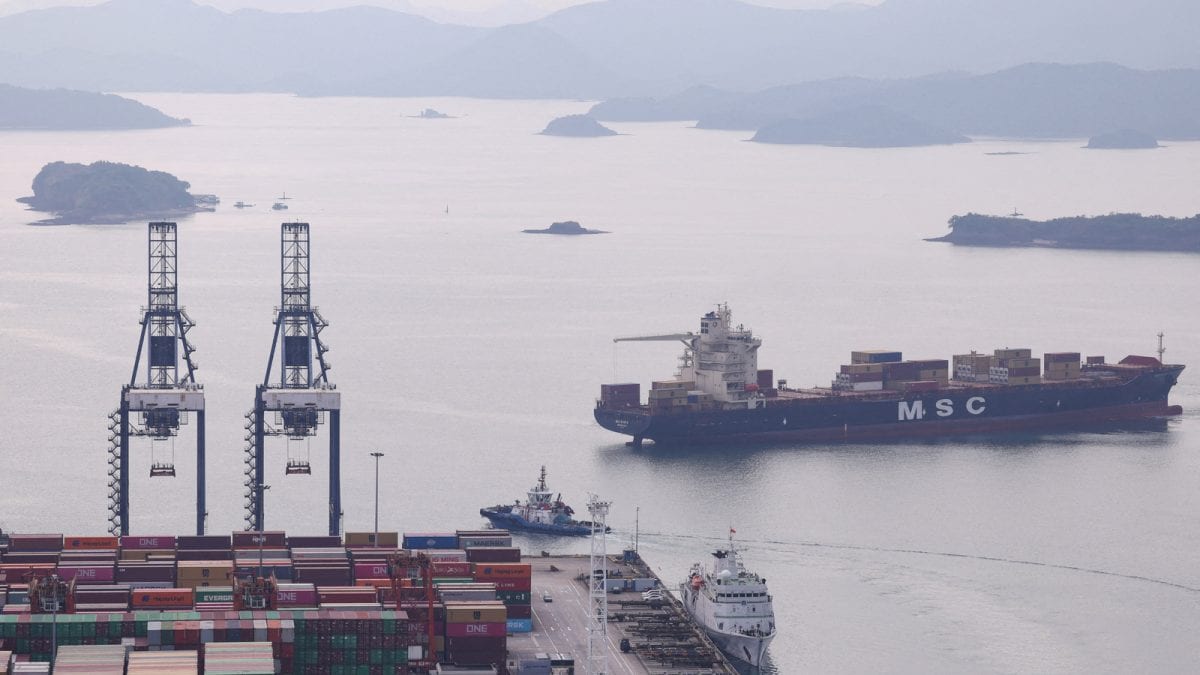
Most UK households will be protected from the impact of rising energy prices in the short term by the energy price cap, but the UK’s reliance on gas from the Middle East makes it especially vulnerable to an effective blockade of the strait of Hormuz, through which about 20% of the world’s liquid natural gas is transported.
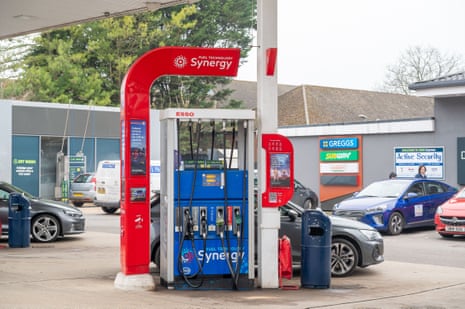
Rising oil prices will feed through to higher costs at petrol stations, and consumers will be hit if energy costs push up inflation.
In an emergency meeting later today, G7 finance ministers will discuss a potential joint release of petroleum from reserves coordinated by the Energy Agency, according to a report in the Financial Times.
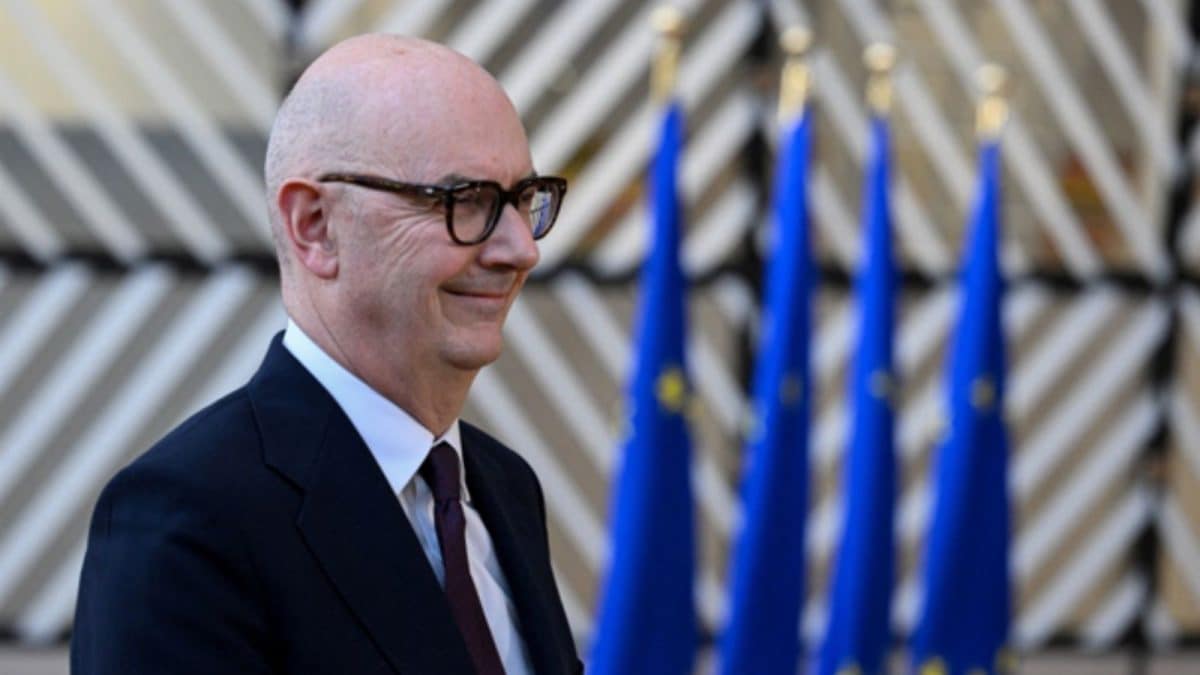
The chancellor, Rachel Reeves, is expected to be among the finance ministers to attend the virtual meeting convened to address the crisis.
Key events Show key events only Please turn on JavaScript to use this feature
Starmer claimed that the UK economy was in a better place than it had been in 2022 when Russia’s full-scale invasion of Ukraine triggered an energy price shock.
He said:
I think it is important just to remind ourselves that last time a conflict began to develop, which was 2022 in relation to Ukraine, the economy wasn’t in a stable place, and inflation was 5% and rising.
We’ve done a lot of work in the last 18 months to put some resilience in and make sure that we’ve got some headroom, which is basically some insurance within the economy, but also inflation is 3% and going down, so in that sense, there’s more resilience.
The prime minister is facing scrutiny over whether the government is doing enough to prepare support packages that would help businesses and consumers in the face of sustained fuel price rises and inflationary pressures that would squeeze household budgets.
Economists have warned that extra headroom could be wiped out by the jump in energy prices called by the escalating crisis in the Middle East, caused by the US and Israel striking Iran just over a week ago, triggering retaliatory strikes across the region.
Decisions about what is in Britain's best interests are those for the UK PM alone, Starmer says
Keir Starmer was asked by a journalist if he managed to begin to mend the so-called special relationship during his phone call with Donald Trump yesterday after the US president said last week that the British prime minister was “no Winston Churchill” following his refusal to let Washington launch initial strikes on Iran from British bases.
Starmer says the US are now using UK airbases in relation to Iran, and there is still close intelligence cooperation and contact between counterparts in London and Washington on a daily basis “at all levels”
“In the region, we have our military personnel and US military personnel co-located in the same places, in the same bases.”
“Both the US and UK are working together, protecting those bases. So in terms of the relationship the work that we necessarily have to do together is going on as you would expect.”
Starmer said decisions about what is in Britain’s “best interests” are decisions for the UK prime minister alone. He stresses that this is a “fundamental principle” that has guided his decision making on Iran.
His language echoes comments by the foreign secretary, Yvette Cooper, who told the BBC yesterday that the government’s job is not to be “outsourcing our foreign policy”.
Cooper’s remarks were made after the former Labour prime minister, Tony Blair, told a private lunch event on Friday that Starmer “should have backed America from the very beginning” and let the Trump administration use British airbases.
The longer Iran war goes on, the more likely the impact on our economy, Starmer says
Addressing the war in Iran, Keir Starmer acknowledged that the longer the conflict went on the greater the likely impact on the UK’s economy. The prime minister said:
The job of government is obviously to get ahead, to look around the corner, to work with others, and the chancellor speaks to the governor of the Bank of England on a daily basis, with looking cross-departmental within government, assessing the risks, monitoring and talking to our international partners as well about what more we can do together to reduce the likely impact on people here and businesses here, of course.
But it is important to acknowledge that that work is needed, because people will sense, you will sense I think, that the longer this goes on, the more likely the potential for an impact on our economy, impact into the lives and households of everybody and every business.
And our job is to get ahead of that, to look around the corner, assess the risk, monitor the risks, and work with others in relation to that.
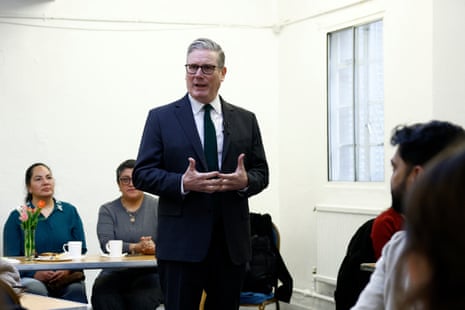
Keir Starmer is answering questions from members of the public in a community centre in London. He is asked what he is trying to do to bring communities together at such a divided time.
“It is a really sad feature – isn’t it – at a time that this that some people will try to use it as an opportunity to divide,” the prime minister said.
“We have to be really conscious that where people want to divide at the moment in relation to this conflict it’s in the space of trying to divide the Muslim community and the Jewish community so we are working particularly on those two strands.”
Starmer says one of his “biggest concerns” is that there are too many politicians who want to “set up grievances between different groups of people”, something he says he fundamentally rejects as he praises the diversity of the country.
Starmer has been accused of pandering to the populist right in a failed attempt to attract Reform voters through harsh rhetoric on migration in particular.
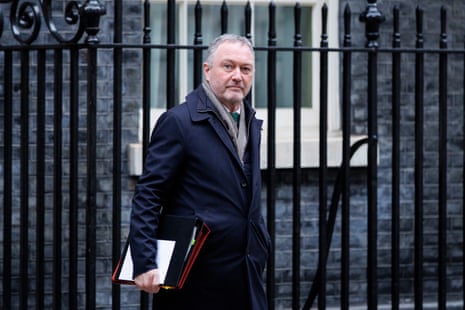
The communities secretary, Steve Reed, has acknowledged the scale of economic uncertainty caused by the US-Israel war with Iran but said the British economy was resilient enough to withstand any shocks.
Speaking to ITV’s Good Morning Britain, he said:
Of course, the UK can’t control things that happen, crises that happen across the planet, that have an impact on us here at home. What we can control are our own circumstances.
Now, when it comes to the cost of oil, and we’ve seen what’s happened overnight, we’re still only just over a week into this conflict, we don’t know how long it will go on, we don’t know what the long-term impact will be on energy prices.
But, as I say, the fact that we have a more stable economy means we’re in a better position to weather those storms, and we will, of course, keep a very close eye as we monitor the situation.
As the Guardian’s economics editor, Heather Stewart, notes in this story, Rachel Reeves said last week that the unstable global situation meant the actions she had taken on inflation, including shifting green levies to general taxation and freezing bus fares and prescription charges, were “even more crucial”.
The chancellor will be under pressure to provide a package of help for small businesses if the war causes a sustained energy price crisis.

Lauren Almeida
Here is some detail on reports that G7 finance ministers are preparing to discuss the release of emergency oil reserves, courtesy of Guardian business reporter Lauren Almeida:
The emergency meeting would take place at 8.30am New York time to discuss the impact of the Iran war, the FT reported, citing unnamed people familiar with the matter.
Three G7 countries, including the US, have so far reportedly expressed support for the release of the emergency reserves, which are held by the IEA’s 32 member countries across the globe.
The IEA holds strategic reserves of petroleum as part of an emergency system designed to help countries withstand oil price crises. US officials believe a joint release in the range of 300m to 400m barrels would be appropriate, which would reportedly represent 25% to 35% of the 1.2bn barrels in reserve.
The UK month-ahead gas price jumped by 19% to 163p a therm on Monday morning. The continental European month-ahead benchmark is up 16% at €62 a megawatt hour.
Oil prices rose and stock markets in Asia, the UK and mainland Europe fell on Monday morning after continued violence in the Middle East fed investor concerns around a supply crunch, pushing Brent crude to its highest level in four years and triggering a stock market sell-off. You can read the full story here:
Starmer seeks to reassure public over cost of living as oil prices surge from US-Israeli war with Iran
Good morning and welcome to our live coverage of UK politics as governments around the world brace for major disruption to energy supplies as a result of the escalating US-Israeli war with Iran.
Keir Starmer is expected to promise to protect the British public from the economic impact of the war after oil prices surged past $100 a barrel for the first time since 2022.
“No matter the headwinds, supporting working people and their families with the cost of living is always top of my mind,” the prime minister said ahead of a visit on Monday to a community centre in London.
Starmer added:
People are also rightly worrying what this means for life at home – their bills, their jobs, their communities.
I want to address those concerns head on. I will always be guided by what is best for the British public. And no matter the headwinds, supporting working people and their families with the cost of living is always top of my mind.
Starmer is reportedly under pressure from unions and his backbenchers to prepare a support package to help people already grappling with a cost of living crisis in case of a prolonged conflict.
Most UK households will be protected from the impact of rising energy prices in the short term by the energy price cap, but the UK’s reliance on gas from the Middle East makes it especially vulnerable to an effective blockade of the strait of Hormuz, through which about 20% of the world’s liquid natural gas is transported.
Rising oil prices will feed through to higher costs at petrol stations, and consumers will be hit if energy costs push up inflation.
In an emergency meeting later today, G7 finance ministers will discuss a potential joint release of petroleum from reserves coordinated by the Energy Agency, according to a report in the Financial Times.
The chancellor, Rachel Reeves, is expected to be among the finance ministers to attend the virtual meeting convened to address the crisis.