 15 minutes ago
The Indian rupee opened weaker against the US dollar on Thursday, November 26, tracking pressure from higher crude oil prices and cautious investor sentiment amid global market volatility.
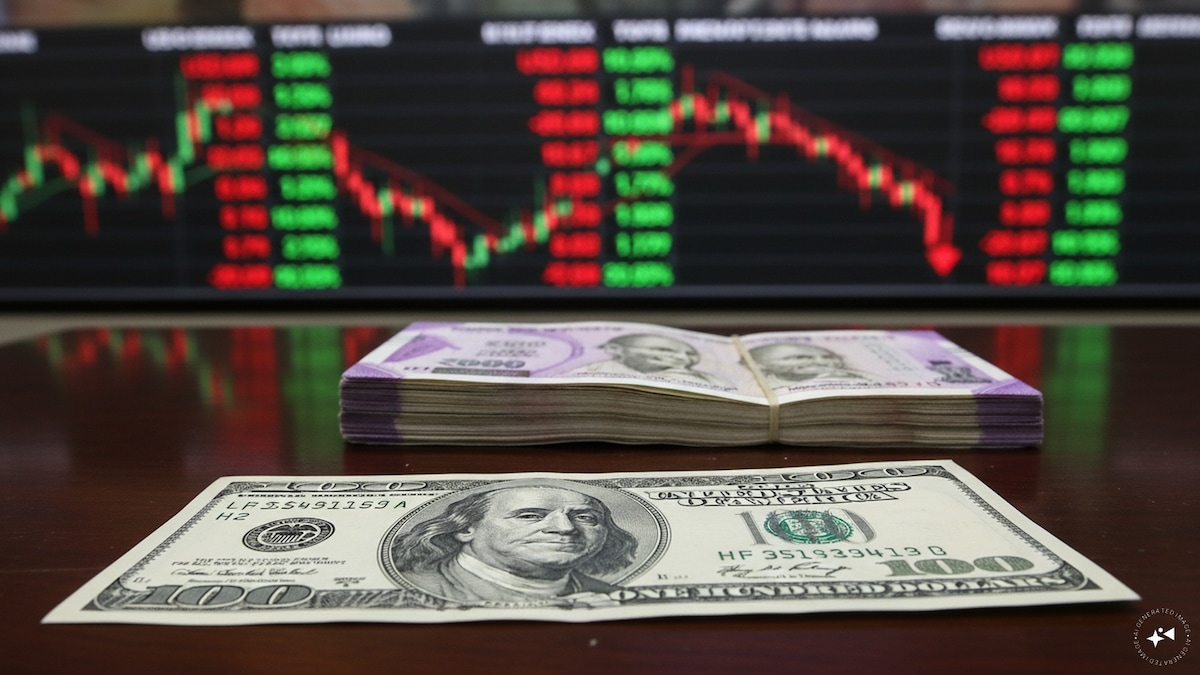
The rupee opened at 92.55 per dollar, compared with Wednesday's (November 25's) closing level of 92.23, marking a depreciation of 32 paise.
What does the 32-paise fall mean?
A weaker rupee means more Indian currency is required to buy one US dollar. At Wednesday's closing rate of ₹92.23, an individual or business needed ₹92.23 to purchase $1. At Thursday's opening rate of ₹92.55, the same dollar cost ₹92.55.
This means the cost of buying $100 increased from ₹9,223 to ₹9,255, a difference of ₹32. For a $1,000 payment, the additional cost works out to ₹320, excluding bank charges and other conversion fees.
What is weighing on the rupee?
Higher crude oil prices remain a key pressure point for the Indian currency. Brent crude rose 3.5% and moved further higher in Asian trade to around $94.90 per barrel on Thursday, amid concerns over potential supply disruptions in the Middle East.
India imports a significant portion of its crude oil requirements. Higher oil prices can increase the country's import bill and demand for dollars, putting pressure on the rupee.
Foreign fund flows and AI trade in focus
Global investor sentiment and foreign portfolio flows are also influencing the currency's movement.
According to a Reuters report, foreign investors have invested nearly $15 billion in Indian equities so far this month, supporting the rupee's recovery after a prolonged period of outflows.
The recent volatility in AI-linked stocks has prompted some investors to reassess their exposure to global markets, with India benefiting from a shift in fund flows.
However, the direction of the AI trade remains an important factor for the rupee, as changes in global risk appetite can influence foreign investment flows into emerging markets.