 1 month ago
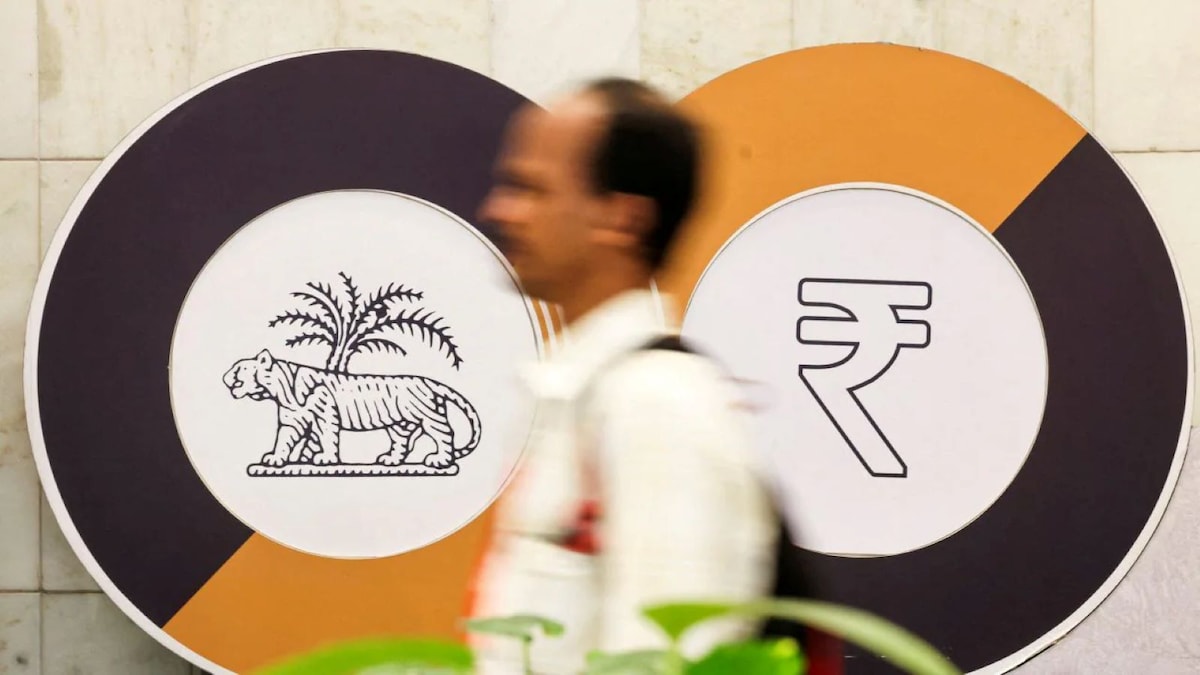
Indian rupee hits record low beyond 95 per dollar as strong US dollar, rising crude oil, foreign outflows and geopolitical risks intensify pressure.
By Anshul April 30, 2026, 10:47:42 AM IST (Updated)
2 Min Read
The Indian rupee extended its slide on Thursday (April 30), breaching the 95-per-dollar level and hitting an all-time low, as a combination of global and domestic pressures weighed on the currency.
The rupee opened weaker at around 95.01–95.02 against the US dollar, compared with the previous close near 94.85–94.88, and continued to decline in early trade. It fell to as low as 95.23 during the session, marking a drop of roughly 35–38 paise, or about 0.4% on the day.
This move pushed the currency past its previous all-time low of 95.21 hit in late March and marked the first breach of the 95 level since March 30.
The latest weakness reflects sustained strength in the dollar following a hawkish tilt from the Federal Reserve. While the Fed kept interest rates unchanged, signals of caution on inflation and a divided policy stance lifted US bond yields and supported the greenback, reducing the appeal of emerging market currencies.
A sharp rise in crude oil prices has added to the pressure. Brent crude traded around $121–122 per barrel, rising over 3% in recent sessions and heading for strong weekly gains. Elevated oil prices are a key concern for India, which relies heavily on imports, as they widen the trade deficit and increase demand for dollars.
Traders said geopolitical tensions, including concerns over a potential escalation in West Asia and disruptions around key shipping routes such as the Strait of Hormuz, have further lifted oil prices and boosted safe-haven demand for the dollar.
Foreign capital outflows have compounded the rupee’s decline. Persistent selling by foreign portfolio investors in both equities and debt markets, along with steady dollar demand from importers—particularly oil companies—has kept the currency under pressure. A stronger dollar index, hovering near 99, has also reflected broad-based global strength in the U.S. currency.
Domestic markets mirrored the risk-off sentiment, with benchmark equity indices falling sharply in early trade, underscoring broader investor caution.
The rupee has now declined more than 5% so far this year, adding to a similar fall last year, as India’s external sector faces multiple headwinds including high energy prices, weaker capital flows and global trade uncertainties.
Analysts warn that sustained currency weakness could have wider implications. A weaker rupee raises import costs, feeding into domestic inflation, while also eroding returns for foreign investors—potentially triggering further outflows and reinforcing pressure on the currency.
-With Reuters inputs
First Published:
Apr 30, 2026 9:11 AM
IST