 2 hours ago
Iran's chief negotiator said Tehran remained committed to diplomacy but was "prepared for war" if negotiations failed, insisting its nuclear rights, including uranium enrichment, were non-negotiable and that it would not move to the next phase of the agreement until all key provisions were fully implemented.
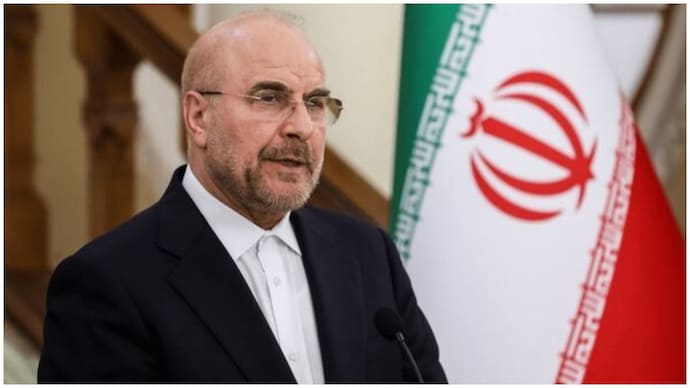
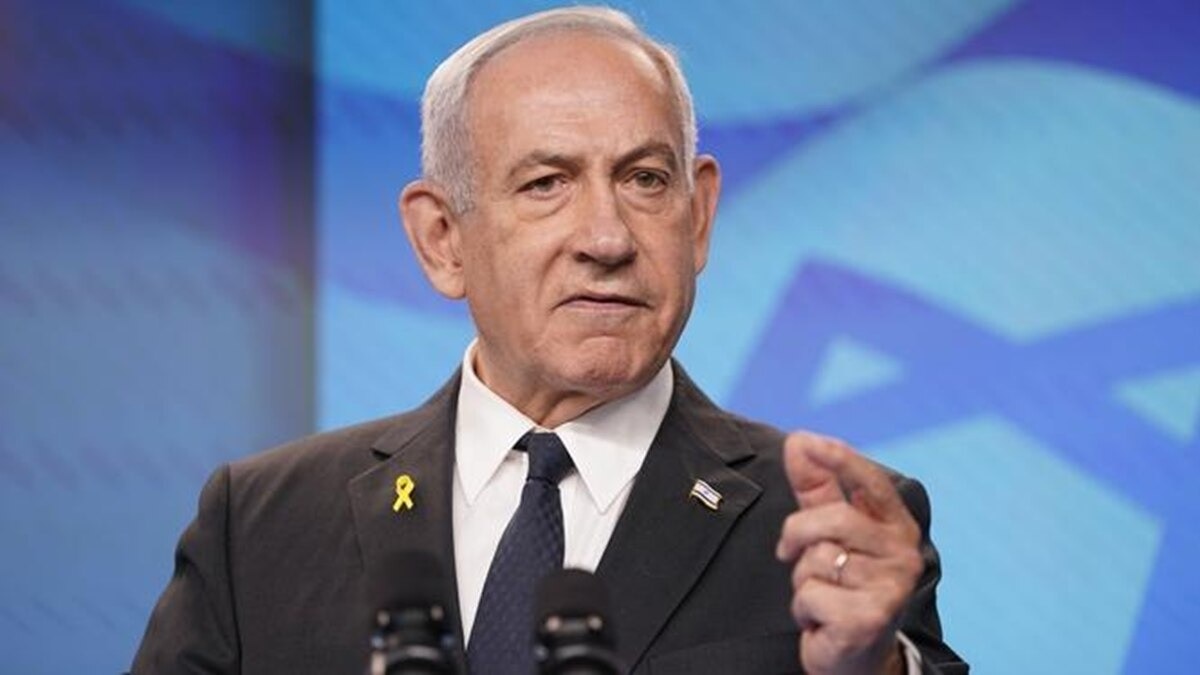
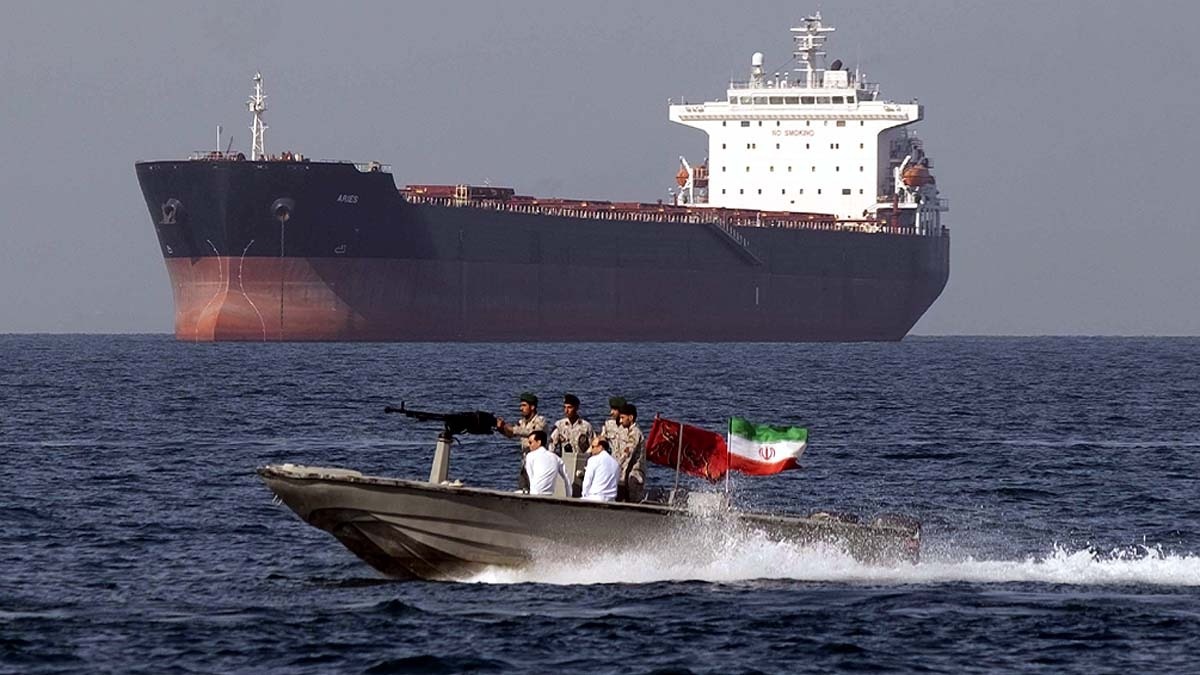
Ghalibaf said talks were continuing and that Tehran would not move to the next phase of the agreement until key provisions, including those on Lebanon, oil exports and Hormuz, were fully implemented. (Photo: Reuters)

New Delhi,UPDATED: Jul 1, 2026 07:38 IST
Iran on Tuesday warned that it was prepared for war if diplomacy with the United States failed, while reiterating that dialogue remained its preferred course, as officials from both countries prepared for separate talks in Qatar aimed at advancing the implementation of their memorandum of understanding (MoU).
Speaking in an interview on state television, Iran's Parliament Speaker and chief negotiator, Mohammad Bagher Ghalibaf, said Tehran would continue pursuing dialogue with the US but is also fully prepared for military confrontation if its commitments were not honoured.
"We are pursuing dialogue, but if the dialogue is not implemented, we are also prepared for war and will respond accordingly," Ghalibaf said.
During the interview, Ghalibaf also reiterated Iran's position on its nuclear programme and said the country's nuclear rights and "red lines" were non-negotiable. He maintained that Iran's nuclear activities remained within the framework of the Atomic Energy Agency and the Treaty on the Non-Proliferation of Nuclear Weapons.
"The Islamic Republic of Iran is a member of the Nuclear Non-Proliferation Treaty (NPT) and is under the supervision of the Atomic Energy Agency, and considers enrichment to be its right. NPT obligations are being observed, but Iran's nuclear rights and red lines are non-negotiable, and these are considered components of the Islamic Republic's power and a guarantee against American excesses," he said.
Ghalibaf questioned the credibility of international guarantees, citing Iran's experience under the 2015 Joint Comprehensive Plan of Action (JCPOA).
He said discussions were continuing and stressed that Tehran would not move to the next phase of implementing the agreement until the five key clauses, "one of the most important of which is the issue of Lebanon", oil exports and navigation through the Strait of Hormuz were fully consolidated and finalised.
"In Article 1 of the memorandum, the US is committed and guarantees that the war in Lebanon will end, no military operations will be carried out, the people will return to their land, and the national sovereignty of Lebanon will prevail over its land. This is a very big victory and must be achieved, and we are now pursuing its definitive implementation," he said.
"The Islamic Republic is committed to ensuring that passage through the Strait of Hormuz is carried out in accordance with that memorandum, and the United States must do the same," he added.
During the interview, Ghalibaf also accused US Secretary of State Marco Rubio of attempting to normalise Lebanon's ties with Israel, claiming such efforts ran contrary to the memorandum of understanding.
He alleged that Rubio was pursuing the "Washington memorandum" to advance the Abraham Plan and normalise Lebanon's relations with Israel, while asserting that Iran's MoU was intended to "preserve Lebanon's independence".
The Iranian leader also highlighted what he described as a recovery in the country's oil exports, saying Iran had been unable to export oil during what he termed a US blockade but had shipped more than 40 million barrels after restrictions were lifted.
"From the day the blockade was lifted until today, we have exported more than 40 million barrels of oil. By contrast, during the previous 50 to nearly 60 days, we were genuinely unable to export even a single barrel of oil," he said.
Meanwhile, Mohammed bin Abdulrahman Al Thani reaffirmed Qatar's role as a mediator, with the Qatari Foreign Ministry saying he discussed developments in the ongoing US-Iran talks with US envoy Steve Witkoff and Jared Kushner.
According to the ministry, Qatar remains committed to supporting all tracks of dialogue arising from the memorandum of understanding between Washington and Tehran, although no further details of the discussions were disclosed.
- Ends
Published By:
Shipra Parashar
Published On:
Jul 1, 2026 07:38 IST