 1 hour ago
Global markets may be moving past worst-case geopolitical risks, but the recent rally is being driven primarily by strong earnings—especially in AI and financials, says Matt Orton of Raymond James.
He points to resilience in banks like ICICI Bank and HDFC Bank, along with opportunities in commodity-linked names such as Vedanta, while also highlighting a structural commodity supercycle.
Orton recommends exposure to gold, copper, aluminium, and uranium, with around 5% allocation to gold as a hedge and portfolio diversifier, alongside selective plays in miners and financials benefiting from improving fundamentals.
Watch the full conversation here or scroll for edited excerpts.

These are edited excerpts from the interview.Q: The indices have taken the elevator higher. We have seen a ferocious rebound across US markets and even Asia. KOSPI, for instance, is back to record highs, rebounding 25% in April. Taiwanese markets are up 20%. Markets seem to signal that all is fine and the worst of the US-Iran war is behind us. But with the ceasefire ending tomorrow, uncertainty remains. Should investors lighten up? What’s your expectation going forward?
A: I think we are making progress. There’s still a lot of uncertainty around how negotiations will play out and what the geopolitical outcomes might be, but it’s clear we are taking the worst left-tail scenarios off the table. That is constructive for markets.
The biggest reason markets have rallied over the past two to three weeks has been earnings. Strong results not only in the US but globally, particularly around artificial intelligence and AI capex, have been resilient. We’ve also seen strong results from US financials—banks and capital market companies posting better-than-expected numbers.
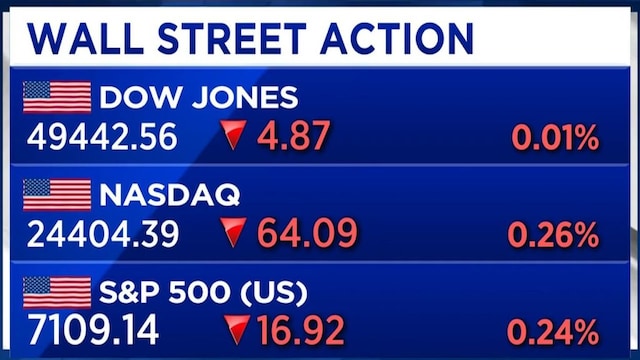
That has given the market a boost and encouraged investors to put money back to work. I’ve been in the same camp over the past two weeks, gradually deploying cash into some of my favourite long-term names and looking for new opportunities in beaten-down areas where fundamentals remain positive.
Q: Markets like KOSPI are hitting all-time highs driven by specific themes. If markets revert to pre-war themes, India may not benefit in the same way. With oil where it is, India is arguably worse off than in late February. How does this play out?
A: When you look at markets like Taiwan, it has even eclipsed the market capitalisation of the United Kingdom (UK), highlighting how powerful AI-driven moves are and likely will continue to be.
Also Read | India can handle oil at current levels; financials may recover: Allspring’s Prashant Paroda
For India, the key question is how higher energy prices will impact the consumer. India’s strength lies in being a consumer-driven economy with strong growth expectations and diversification away from artificial intelligence (AI).
Recent results from banks like ICICI Bank, HDFC Bank and Yes Bank showed good credit growth expansion, which is a positive signal for the broader economy. If consumer-oriented companies deliver good results or positive guidance this quarter, it would indicate a path forward despite inflation pressures.
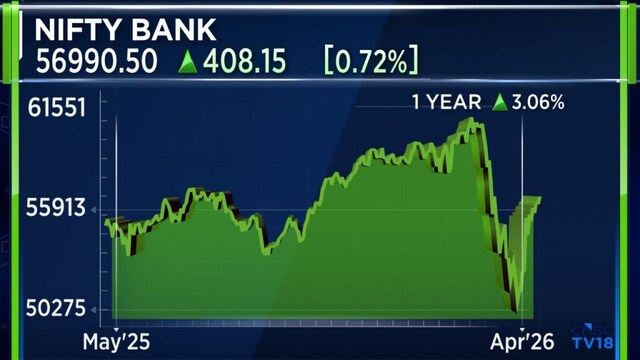
That could set up nicely for India, especially as valuations have compressed and it has underperformed relative to the broader emerging market (EM) complex. There are opportunities for investors to diversify here.
Q: You have argued that commodities deserve a bigger allocation. Can you elaborate? What should the allocation look like, and how much could be gold? What industrial metals are you referring to?
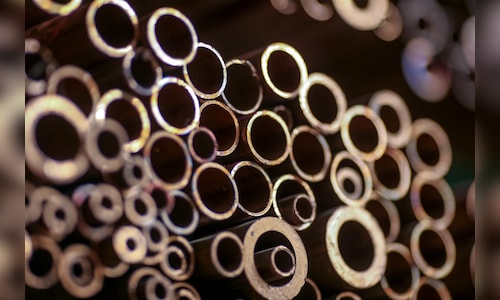
A: I think we are at the start of a commodity super cycle. Geopolitical fracturing, even before Iran, has increased the importance of securing strategic materials—not just for AI but for broader infrastructure buildout.
Countries like the US are creating strategic reserves, and that trend will continue.
In terms of allocation, I still like precious metals—platinum and gold. Gold should have about a 5% allocation in portfolios. I’ve used recent downside to add to my own holdings.
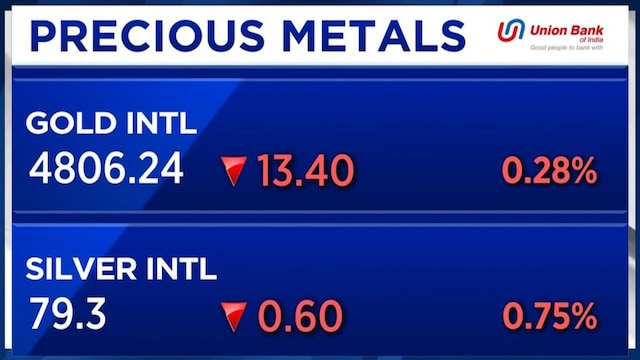
On the industrial side, I’m looking at copper, aluminium, rare earth minerals, and uranium, which I’ve also been accumulating. Investors can gain exposure through commodities directly or via miners.
For example, companies like Vedanta in India provide exposure to strategic minerals. Similarly, in the US and Europe, mining equities offer a beta play alongside holding commodities through exchange-traded funds (ETFs) or futures.
Catch all the latest updates from the stock market here