 1 hour ago
Rajnath Singh urged SCO leaders in Dushanbe to jointly dismantle the terrorism ecosystem. His remarks rejected double standards while linking regional security with trade and development.
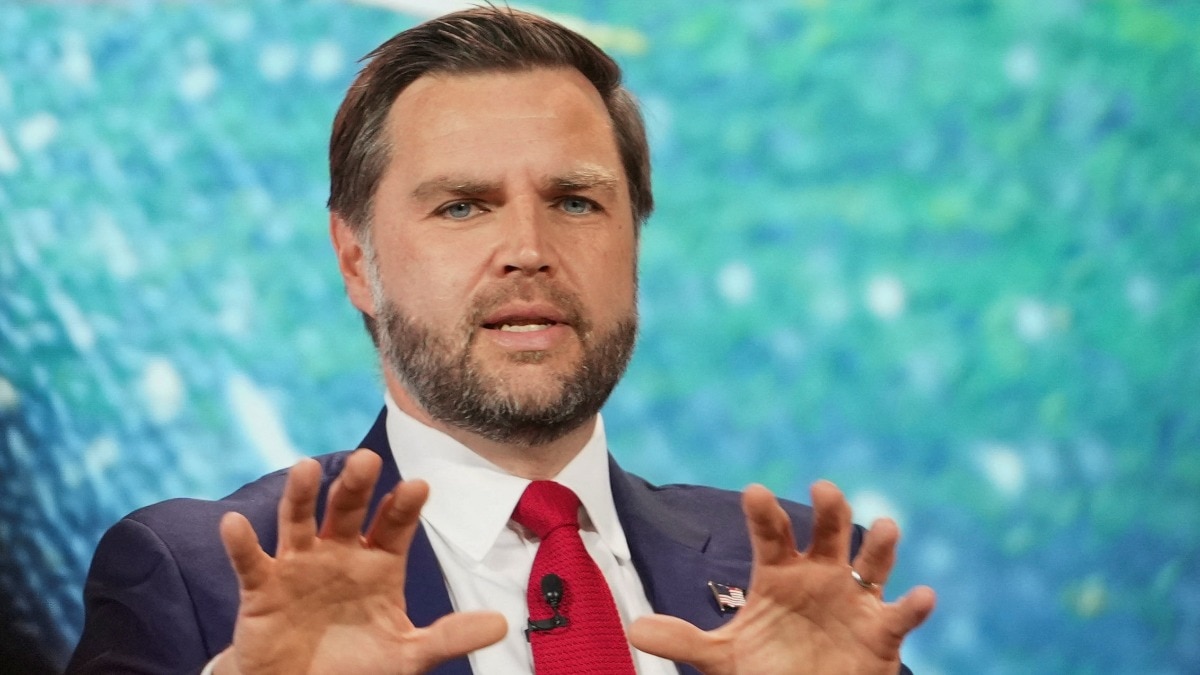
Image used for representational purposes only
India has said there can be no justification for terrorism or double standards in dealing with it, and urged Shanghai Cooperation Organisation member states to work together to dismantle the entire terrorism ecosystem, news agency Press Trust of India reported.
Addressing the 25th Meeting of the Council of Heads of Government of the SCO in Dushanbe, Tajikistan, on Tuesday, Defence Minister Rajnath Singh said terrorism radicalises societies and deprives young people of opportunities.
“There can be no justification for terrorism, no double standards in addressing it, and no place for those who finance, support, or provide safe havens to terrorists,” Singh told the gathering, according to PTI. Pakistan Deputy Prime Minister Ishaq Dar was seated at the same table.
Singh said terrorism leads to the loss of innocent lives and disrupts investment and commerce. Describing it as “one of the gravest threats” to peace and development, he called on SCO members “to make concerted efforts to dismantle the entire ecosystem of terrorism”.
He also recalled the discussions at the SCO Summit in Bishkek in August-September 2026, where Prime Minister Narendra Modi had underlined the need for concrete steps on security, connectivity and opportunity.
“India believes that the SCO must remain efficient and steadfast in its adherence to the principles of sovereign equality, consensus, and mutual respect. A greater number of institutions does not necessarily translate into greater achievements,” Singh said.
He added that new mechanisms should address clearly identified needs, avoid duplication and focus on providing practical value to SCO members.
Singh stressed the need for the grouping to build consensus and turn it into concrete action amid an uncertain global economic environment marked by geopolitical tensions, disruptions to trade and supply chains, concerns over energy and food security, and emerging technological divides.
“There is a need to strengthen resilient supply chains, facilitate trade and investment, and leverage technology to drive development,” he said.
Singh reaffirmed India's support for the adoption of an Action Plan for the Multilateral Trade and Economic Cooperation Programme for 2026-2030. He also welcomed the decisions taken at the Bishkek Summit to establish the Universal Centre in Tashkent and the Anti-Drug Centre in Dushanbe as permanent SCO bodies.
He said their effectiveness would depend on efficient coordination and the timely completion of tasks.
Emphasising the importance of connectivity for shared prosperity, Singh said India supports initiatives that link markets, facilitate trade and create new avenues for development. He said the North-South Transport Corridor and Chabahar Port could significantly help connect Central Asia with broader markets.
However, he said connectivity must be based on consultation and respect for the sovereignty and territorial integrity of all countries, adding that projects not founded on these principles would not be sustainable.
Singh also called for simpler customs procedures, wider use of digital documentation, better logistics and digital systems that work together to reduce the cost of doing business across the region.
“Our success should be measured by the opportunities we create for youth, new markets we open for our entrepreneurs, technologies we make available to our farmers and small-scale business owners, and the connections we foster among societies,” he said.
Singh highlighted India's Digital Public Infrastructure, saying it had transformed the delivery of public services and improved financial inclusion. He said India had built one of the world's largest start-up ecosystems and that its focus on women-led development was based on the belief that women play a defining role in shaping development.
He said Indian initiatives such as the Solar Alliance and the Coalition for Disaster Resilient Infrastructure contribute to affordable clean energy and development that can withstand the effects of climate change. He added that Mission LiFE promotes sustainable lifestyles and responsible consumption, while the Global Biofuel Alliance supports cleaner and more sustainable energy solutions.
Singh urged SCO members to build on the foundation established over the past 25 years and prepare a forward-looking roadmap focused on consensus-based cooperation and tangible outcomes. He reaffirmed India's commitment to working closely with all member states and invited them to participate in the first SCO Civilisational Dialogue Forum, which India will host later this year.
The meeting reviewed progress in economic and trade cooperation among SCO members and discussed measures to strengthen cooperation in transport, finance, the digital economy and social development.
Singh, who is on a two-day official visit to Tajikistan, later said on X that he was happy to represent India at the SCO Council of Heads of Government meeting. “The meeting took place in a warm & cordial atmosphere. India reassured the forum of its utmost commitment for regional peace, sustainable development and lasting stability,” he wrote.
India's message at the meeting focused on joint action against terrorism, stronger regional connectivity and trade, practical cooperation among SCO members, and a shared commitment to peace, sustainable development and stability.
With PTI Inputs
- Ends