1 hour ago
The protesters' 38-point charter goes beyond immediate economic concerns, seeking sweeping reforms in governance, political representation, healthcare, education and policing. With talks yielding no breakthrough, demonstrations continue across POK as the Joint Awami Action Committee insists the agitation will not end until its demands are accepted.

Why POK's protests continue: The 38-point charter explained (Photo- Screengrab)

New Delhi,UPDATED: Jul 15, 2026 15:10 IST
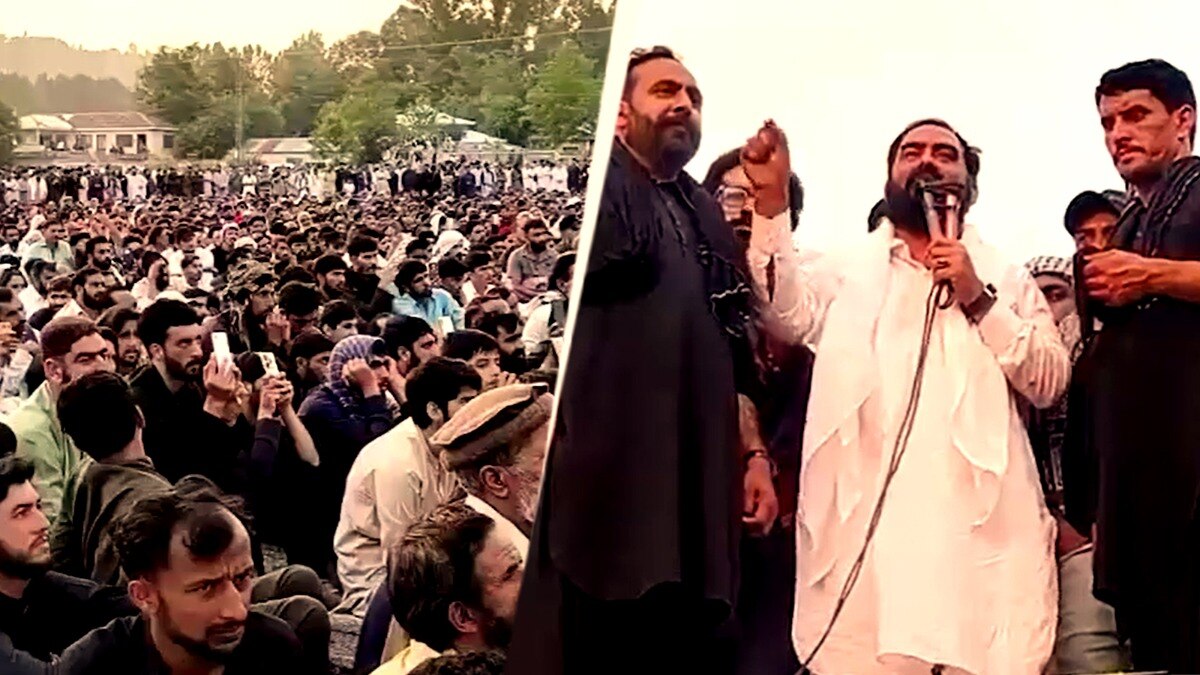
For over 40 days, Pakistan-occupied Kashmir (PoK) has been in the grip of a mass protest movement that has shut markets, disrupted government functioning and brought thousands onto the streets. At the heart of the unrest is a 38-point charter of demands that protesters say must be met before the agitation ends.
The Joint Awami Action Committee (JAAC), which is leading the protests, has said the agitation will continue until its list of 38 demands is accepted.
The protesters' charter touches on multiple issues, but electricity has emerged as the movement's foremost demand.
ELECTRICITY EMERGES AS BIGGEST ISSUE
The biggest demand relates to electricity. Protesters want power generated from hydropower projects in PoK to be supplied to local residents at the cost of production. They have also demanded that royalties from projects such as the Mangla Dam be transferred directly to the region.
The charter also seeks the removal of additional taxes, fuel adjustment charges and other surcharges from electricity bills, besides an end to unscheduled power cuts.
SUBSIDIES, INFLATION RELIEF SOUGHT
Rising inflation has emerged as another major issue.
The charter calls for wheat flour prices to be brought on par with those in Gilgit-Baltistan, government subsidies on sugar, cooking oil (ghee) and other essential commodities, and special assistance for farmers in the form of subsidised fertilisers and seeds.
JAAC'S POLITICAL DEMANDS
Political rights form a significant part of the movement.
JAAC has demanded the abolition of the 12 reserved seats in the PoK Assembly, which many locals view as a means of political interference by Islamabad.
The organisation has also sought greater financial and administrative powers for local bodies, guarantees for the freedom of regional organisations, and constitutional reforms to redefine the distribution of powers.
The charter further demands strict action against corruption, including limiting the number of ministers, ending luxury perks for government officials, and conducting an independent audit of government expenditure over the past 10 years.
HEALTHCARE AND EDUCATION REFORMS
The protesters have also called for major improvements in healthcare and education.
Their demands include providing MRI and CT scan facilities in district hospitals, implementing a health card scheme, appointing doctors in rural hospitals, and establishing new education boards and technical institutions.
JAAC'S DEMANDS OVER POLICE ACTION
Among its other demands, JAAC has sought the withdrawal of terrorism cases filed against protesters, the release of arrested activists, a judicial inquiry into police action, better roads, uninterrupted internet connectivity, access to clean drinking water, priority for local residents in employment, and ensuring that a larger share of tourism revenue is spent within PoK.
According to the protesters, several rounds of talks have taken place between JAAC and the Pakistani government over the 38-point charter, but no agreement has been reached on any major issue so far.
As a result, protests continue across Rawalakot, Muzaffarabad and neighbouring areas, increasing pressure on the Pakistani government to address the demonstrators' demands.
- Ends
Published By:
Sayan Ganguly
Published On:
Jul 15, 2026 15:10 IST