1 month ago
The Pentagon has privately told senators it needs about USD 80 billion for the Iran war. The push could deepen a bitter spending fight as both the war and defence outlay face scrutiny.

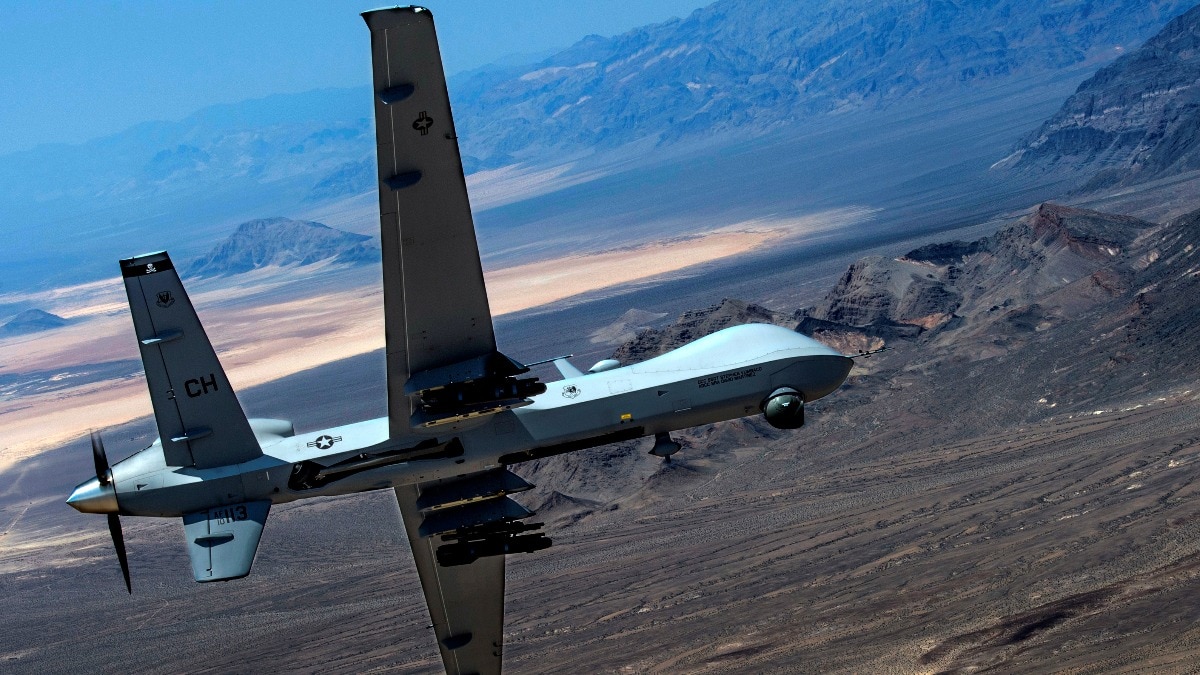
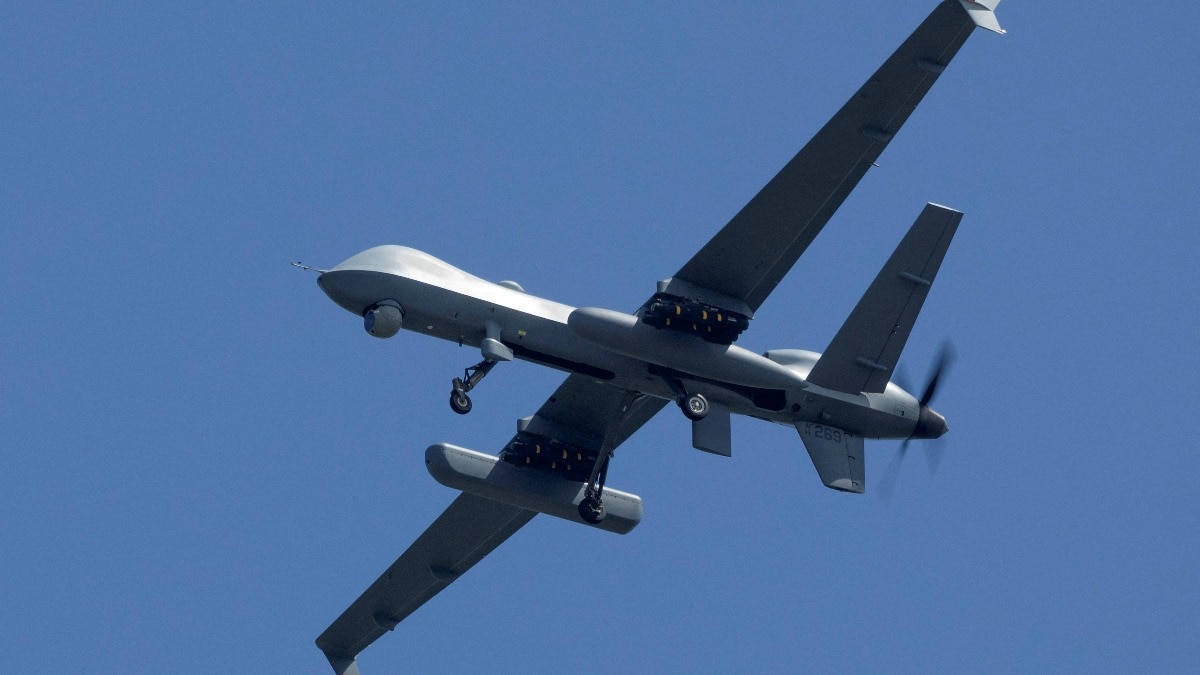
Stock photo used for illustration

Washington,UPDATED: Jun 23, 2026 06:30 IST
The Pentagon has told senators it needs about USD 80 billion, mostly to cover the cost of the US war against Iran, adding to the large defence spending increase being sought by President Donald Trump.
The proposal comes at a politically difficult time, with lawmakers sceptical of the deal Trump struck with Iran to end the war and wary of the next steps. The White House has also sought USD 1.5 trillion for the Pentagon, nearly 50 per cent more than the current fiscal year's funding level.
The White House Office of Management and Budget has not yet made a formal request to Congress. But Defence Secretary Pete Hegseth has been meeting lawmakers on Capitol Hill, including on Monday evening. Deputy Defence Secretary Stephen Feinberg spoke to several senators about the proposal in calls last week and told congressional committees that the USD 80 billion request had been sent to the Office of Management and Budget, according to two people familiar with the matter who were not authorised to discuss it publicly. The Wall Street Journal first reported the developments. The Pentagon did not immediately respond to a request for comment.
Senate Majority Leader John Thune said he expects a supplemental spending request from the administration for the war and that when it arrives, “we'll work through it and see where the votes are”. He added, “We need to make sure we're doing everything we can to replenish, resupply a lot of our munitions that have been depleted – not only just with what's happening with Iran, but prior to that.”
The push for more money is expected to face resistance from lawmakers who oppose Trump's decision to go to war and are reluctant to back higher Pentagon spending at a time of high living costs. Democratic Senator Patty Murray told Hegseth at a hearing last month, “You're spending families' hard-earned tax dollars on a war that many strongly oppose.”
Alongside the Iran funding, Republicans want about USD 1.1 trillion through the regular appropriations process, which usually needs support from both parties. They are also hoping to secure another USD 350 billion through a mostly party-line vote later this summer. The USD 80 billion now being discussed is much higher than the USD 29 billion estimate Hegseth gave Congress last month. Most of that earlier amount was linked to replacing munitions, repairing equipment and meeting operational costs for deployed forces, but it did not include the cost of repairing or rebuilding US military sites damaged in the region. It is also below the Pentagon's initial USD 200 billion estimate at the start of the war. An early assessment put the cost of the first week of the war at USD 11.3 billion.
Senator Brian Schatz of Hawaii, a member of the Democratic leadership, said the final cost could be far higher than the USD 80 billion being proposed. He said he had not counted Democratic support for an Iran-focused bill, “but I haven't found anyone who wants to do this”. Republican Senator Jim Banks of Indiana said, “To me it's less about the war, it's more about the stockpiles.” He added, “I would sell it to my state as an investment in our defense industrial base, reshoring defense production to Indiana.”
Senator Jack Reed, the top Democrat on the Senate Armed Services Committee, said funding for an Iran supplemental could not be handled on its own. It would have to come after lawmakers in both parties agreed on an overall spending figure for defence and non-defence programmes, and “then the rest of this would follow pretty quickly”, Reed said. Senator John Hoeven of North Dakota said he had been working with the administration to widen the package to include disaster aid for California, Hawaii and other states hit by fires and severe weather, along with farm support. “I think that's the kind of combination that could pass,” Hoeven said.
Hegseth declined to answer reporters' questions late on Monday as he moved around the Capitol. But at a Senate hearing last month, he responded to questions about the cost of the war by asking, “What is the cost of Iran obtaining a nuclear weapon?” He said the president's decision to confront the threat of a nuclear Iran “comes with cost - and we recognise that.”
In sum, the Pentagon's bid for about USD 80 billion in Iran war funding is moving through Congress without a formal White House request yet, even as lawmakers question both the war and the broader push for sharply higher US defence spending.
With PTI Inputs
- Ends
Published By:
India Today Web Desk
Published On:
Jun 23, 2026 06:30 IST