1 month ago
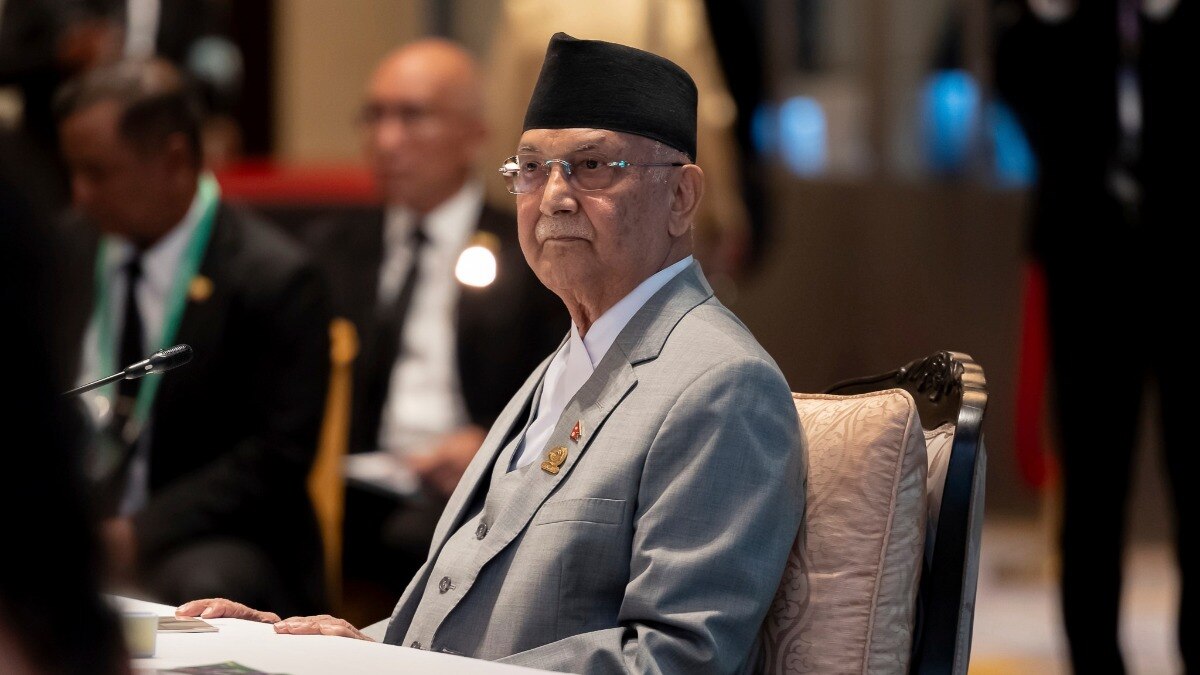
BNP chief Tarique Rahman has called the party's members and supporters to offer their Fajr namaaz (dawn prayers) at polling booths. Though it might look like an appeal for divine good luck, Tarique's request to supporters days before the crucial February 12 election in Bangladesh, is political.
The BNP leader's call was driven by the fear of electoral manipulation. Tarique Rahman said that BNP activists should not come to polling booths after offering the Fajr prayer in the morning, but should arrive the previous night, after offering the Tahajjud namaaz (late night around 2 am). He has framed this as a strategy to physically and morally guard the ballot during the polls in Bangladesh, which are being held under the shadow of alleged fraud, violence, a shortage of police personnel, and deteriorating law-and-order situation.
Tarique Rahman's concern over security is hardly misplaced. On Monday itself, The Daily Star reported that miscreants set fire to four polling booths in the northern district of Netrokona. A day ago, the Bangladesh Army arrested a terrorist in the capital Dhaka with three foreign pistols, 13 locally made weapons, and various types of ammunition, reported Prothom Alo. Later on Monday night, a Hindu businessman was stabbed to death inside his shop in Bangladesh's Mymensingh district.
Last week, the Bangladesh Police arrested two people, including a Jamaat leader after seizing six illegally made ballot seals in Lakshmipur district, reported NewAge BD.
On February 12, Bangladesh would not just vote for the next government but would also approve or disprove the July Charter, which is being personally being spearheaded by Muhammad Yunus and his regime in favour of a "yes vote".
In the last few days, Rahman has, on at least five occasions, repeated the "prayer call" at election rallies across Dhaka, Gazipur, Noakhali, Narayanganj, Habiganj and Brahmanbaria. According to pre-poll surveys, the BNP has emerged as the leading frontrunner in the election, with its former ally-turned-rival Jamaat-e-Islami breathing close down its neck.
BNP'S TARIQUE RAHMAN ASKS SUPPORTERS TO BE AT POLL BOOTHS BEFORE FAJR NAMAAZ
Addressing a campaign rally in Dhaka's Jatrabari, Rahman on Monday asked BNP leaders and activists to reach polling centres before dawn, pray there, and stay put till votes are counted.
"Go to the polling centre and offer the Fajr prayer there. Stay there so that no one can carry out any conspiracy," he added, "Casting your vote is not enough. Do not leave after voting. Ensure the vote is properly counted and accounted for," reported Prothom Alo.
"Many people say voters should stand in line after Fajr prayers on election day. I say this time you should wake up earlier, offer Tahajjud prayers and then go to vote," Rahman was quoted as saying by Dhaka-based outlet, JaagoNews24.
Fajr namaaz is the obligatory Islamic prayer offered at dawn, marking the start of the day. The Tahajjud namaaz is a voluntary late-night prayer, often associated with personal supplication and seeking divine help in difficult times.
The BNP chief framed his call to early prayer as a defensive tactic against what he described as systematic attempts to rig the upcoming national parliamentary election.
"Those who have deprived the people of Bangladesh of their voting rights for the past 16 years have an accomplice. They are conspiring behind the scenes," Rahman said. Referring to the law and order situation in Bangladesh, he added, "Everyone has seen in newspaper reports that their people were caught while attempting to produce fake ballots".
By asking BNP supporters and members to arrive early and remain at polling centres throughout the day, the BNP signalled that it does not trust the electoral process to be fair unless voters themselves act as watchdogs. "Casting your vote is not enough. Do not leave after voting," Rahman stressed.
WHY RAHMAN CALLED FOR EARLY TURNOUT? BANGLADESH LAW AND ORDER SITUATION HOLDS THE KEY
In Bangladesh's political context, where polling booths have often been accused of being captured before voting even begins, the call for reaching centres at dawn is meant to prevent unauthorised occupation and create a deterrent against malpractice.
Bangladesh's pre-poll atmosphere has been increasingly marked by violence and fear as the February 12 elections draw closer. The Bangladesh Police on Monday said it identified around 24,000 polling centres as high or medium-risk for the election, which is roughly half of the total 42,779 polling centres in Bangladesh.
On Sunday, at least 39 people were injured in polls-related violence in Noakhali and Patuakhali districts, reported The Daily Star.
On Monday, miscreants in Netrokona district set ablaze five educational institutions, including four polling centres.
On February 6, violent clashes erupted in the Bhola constituency, where rival political cadres openly brandished machetes in broad daylight to intimidate voters and assert dominance. Just a day earlier, on February 5, several children were injured by bullets while watching a voting campaign vehicle pass through their area.
On January 23, 2025, BNP leader Hasan Mollah was shot at a neighbourhood election office in Keraniganj.
Bangladeshi rights group Ain o Salish Kendra (ASK) said last week that political violence has surged alarmingly across the country in the run-up to the February 12 national election. In its latest analysis, the group noted that casualties nearly tripled in January compared to December. ASK recorded 18 incidents of political violence in December 2025, leaving 268 people injured and four dead. The situation deteriorated sharply in January 2026, when the number of incidents jumped to 75, resulting in 616 injuries and 11 deaths, the rights group said.
SHORTAGE OF POLICE PERSONNEL IN BANGLADESH
Moreover, the law and order situation in Bangladesh, where violence has had a part to play, has deteriorated since the interim regime of Muhammad Yunus came to power after PM Sheikh Hasina's ouster. Bangladesh is already reeling from the shortage of police officers and personnel since the anti-Hasina protests of 2024. Moreover, the Yunus administration has failed to prevent new incidents of violence and has failed to undo what it cornered the Hasina regime with.
Last month, the New York-based watchdog Human Rights Watch in its annual report noted that the Yunus regime has struggled to maintain law and order and deliver promised human rights reforms, with thousands of people arbitrarily detained and routinely denied bail.
While the regime had promised to end the fear and repression that characterised Sheikh Hasina's 15-year rule, the HRW said the interim administration has continued practices, including mass detentions of perceived political opponents and sweeping restrictions on political activity.
Seen in this light, Tarique Rahman's call to turn morning prayer into ground presence is a tactical response to a mistrusted electoral environment in Bangladesh. In an election already marked by incidents of violence, weak policing and competing claims of legitimacy, the BNP is signalling that safeguarding the vote may ultimately rest with voters themselves, not the institutions.
- Ends
Published By:
Sushim Mukul
Published On:
Feb 10, 2026
Tune In